by Daisy Dao
What do you reach for when a recipe calls for mushrooms but you can't use them? Whether you're dealing with an allergy, a texture aversion, or simply an empty produce drawer, finding the best mushroom substitutes can save your meal. The good news is that plenty of everyday ingredients can step in and deliver similar depth, meatiness, or umami flavor. Below, you'll find thirteen proven alternatives — plus guidance on which ones work best in specific dishes.

Mushrooms bring a unique combination of savory flavor, meaty texture, and moisture to dishes ranging from stir-fries to pasta sauces. Replacing all three qualities with a single ingredient isn't always possible, so the best approach depends on what role the mushroom plays in your recipe. Sometimes you need the chew. Other times you need the umami. And occasionally, you just need bulk to round out a filling.
This guide walks you through each substitute with honest notes on flavor, texture, cost, and the dishes where each one shines — so you can make a confident swap without second-guessing yourself.
Contents
Before you swap anything in, it helps to understand what you're replacing. Mushrooms are prized for their umami — that deep, savory fifth taste that makes dishes feel satisfying and complete. They also contribute a spongy, meaty texture that absorbs surrounding flavors, which is why they show up so often in vegetarian cooking as a meat stand-in.
Different mushroom varieties play different roles. Cremini and button mushrooms add mild bulk. Shiitakes contribute a stronger, almost smoky depth. Portobellos serve as the main protein in burgers and grills. Your substitute should match the role your recipe demands. A stir-fry that uses sliced shiitakes for flavor needs a different replacement than a stuffed portobello cap that serves as the centerpiece.
Understanding this distinction is what separates a seamless swap from a disappointing plate. Keep it in mind as you read through the options below.
The following substitutes cover a range of textures and flavors. For each one, you'll find step-by-step notes on preparation so you can drop them into your recipe with confidence. If you enjoy experimenting with ingredient swaps, you might also find our guides on potato starch substitutes and basil leaf substitutes useful.
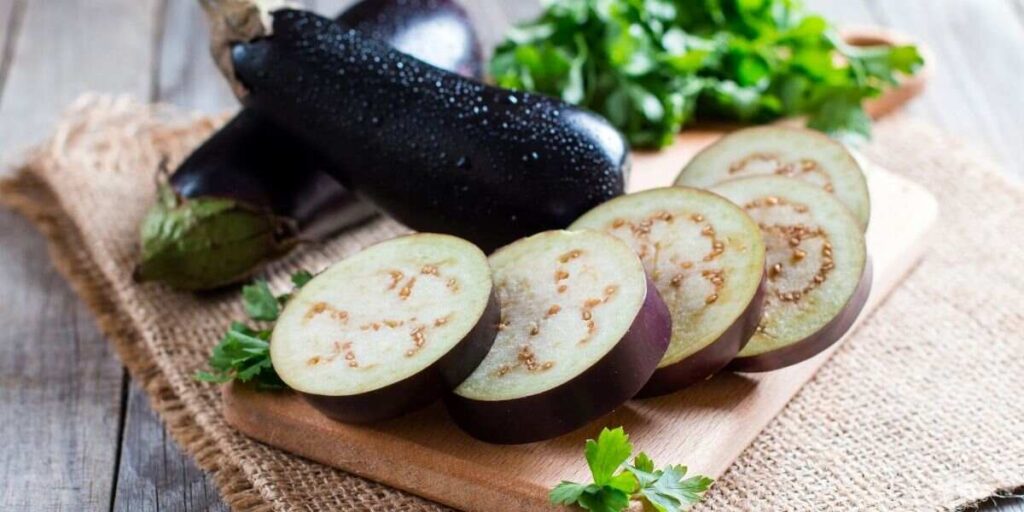
Eggplant is one of the best mushroom substitutes for texture. When roasted or sautéed, it develops a soft, meaty consistency that closely mimics portobello caps. Slice it into rounds for grilling, dice it for pasta sauces, or cube it for stews. Salt the slices first and let them sit for ten minutes to draw out excess moisture — this prevents a soggy result and helps the eggplant brown properly. Use a one-to-one ratio by volume when replacing mushrooms.

Sun-dried tomatoes deliver a concentrated, tangy umami hit that rivals dried shiitakes. They're chewy, deeply flavored, and work beautifully in pasta sauces, risottos, and grain bowls. Rehydrate them in warm water for fifteen minutes if they're not oil-packed, then chop and add them where you'd normally add sliced mushrooms. Start with about half the volume of mushrooms the recipe calls for — their flavor is more intense, and you can always add more.
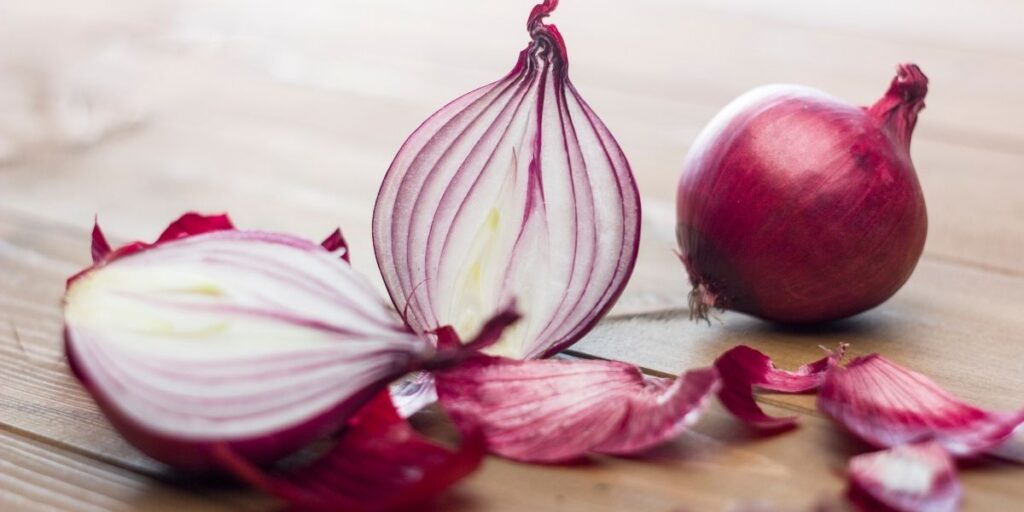
You probably already have onions in your kitchen, which makes them one of the most accessible mushroom alternatives. Raw onions won't do the trick — you need to caramelize them low and slow for twenty to thirty minutes until they turn golden and sweet. That slow cooking develops natural sugars and creates a deep savory sweetness that fills the umami gap mushrooms leave behind. Use caramelized onions in soups, gravies, burger toppings, and flatbreads.
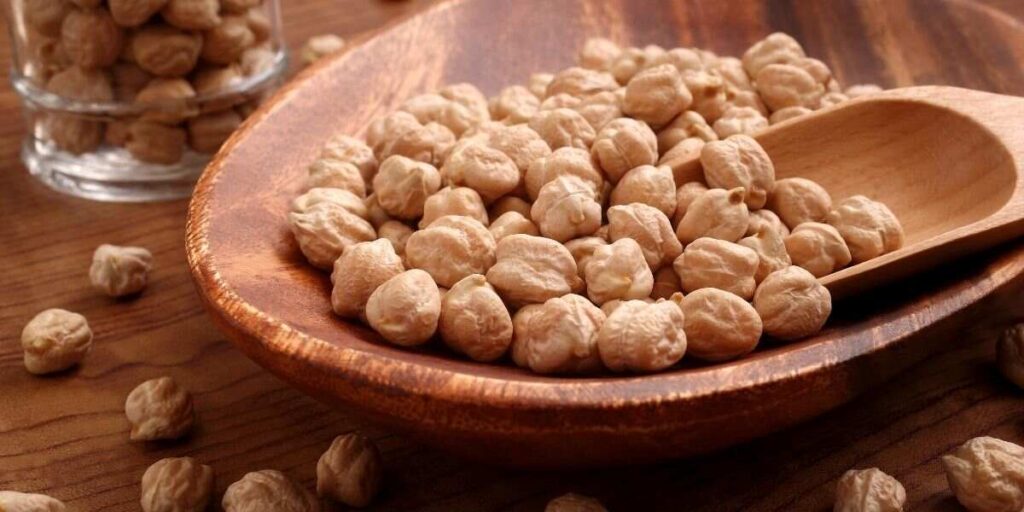
Chickpeas bring hearty bulk and a mild, nutty flavor that blends well in dishes where mushrooms serve as filler rather than the star. Toss canned chickpeas into curries, stews, and grain bowls. For a closer texture match, smash them lightly with a fork before adding to the pan — this creates irregular edges that crisp up nicely and absorb sauce. They also add protein, which is a bonus if you're building a plant-based meal.
Zucchini has a mild flavor and tender texture that makes it a quiet, reliable stand-in. Dice it to match the size of the mushroom pieces your recipe calls for, then sauté over medium-high heat until lightly golden. The key is not to overcook it — zucchini turns mushy fast. It works especially well in stir-fries, omelets, and pasta dishes where mushrooms are one component among many rather than the focal point.
Extra-firm tofu, pressed and cubed, absorbs the flavors of your marinade or sauce just like mushrooms absorb cooking liquid. Press it for at least twenty minutes to remove excess water, then pan-fry until the edges turn crispy. This gives you a chewy, satisfying bite that works in Asian-inspired dishes, scrambles, and sheet-pan dinners. Tofu won't replicate mushroom flavor on its own, so pair it with soy sauce or a splash of miso broth for that umami layer.
Tempeh offers a firmer, nuttier alternative to tofu with a more complex flavor profile. It's fermented, which gives it a natural earthiness that comes closer to mushroom territory. Slice it thin, marinate for at least fifteen minutes, and pan-sear until golden. Tempeh holds up well in tacos, sandwiches, and hearty grain bowls where you need something with real bite.
Sometimes you don't need a full structural replacement — you just need to fill a flavor or garnish role quickly. These options take minimal prep and can rescue a dish in minutes.

Cilantro, parsley, and thyme won't replace mushroom texture, but they can compensate for the aromatic complexity mushrooms add. A generous handful of fresh herbs stirred in at the end of cooking brightens a dish and adds layers of flavor. This works best in soups, salads, and light sauces where mushrooms played a supporting role. If your recipe uses mushrooms for bulk, pair herbs with one of the heartier substitutes above.

If your issue is availability rather than an allergy, dried or canned mushrooms are the closest swap possible. Dried porcini or shiitake mushrooms rehydrate in warm water in about twenty minutes and deliver even more concentrated flavor than fresh. Save the soaking liquid — it's packed with umami and makes an excellent addition to broths and sauces. Canned mushrooms lack the texture of fresh but work fine in casseroles, soups, and dishes with heavy seasoning.
When you only need mushroom flavor without the physical bulk, a tablespoon of soy sauce or a teaspoon of miso paste dissolved into your cooking liquid does the job. These fermented condiments deliver concentrated umami that rounds out the flavor profile. This approach is ideal for broths, marinades, and dressings. If you're working with Asian-inspired recipes, you'll also want to explore sake alternatives for additional depth.
Not every dish handles mushroom substitution equally well. You'll have the most success in recipes where mushrooms are one ingredient among many — think stir-fries, soups, pasta sauces, and casseroles. The other flavors in the dish help mask any differences.
Be more cautious with recipes where mushrooms are the star. Stuffed portobello caps, mushroom risotto, and cream of mushroom soup all rely heavily on the unique flavor and texture that no single substitute perfectly replicates. In these cases, you can still make a satisfying dish, but set your expectations accordingly — it will taste different, and that's okay.
Mushroom allergies require the most care. True mushroom allergies are relatively uncommon, but if you're cooking for someone with one, avoid dried and canned mushrooms entirely and skip soy sauce brands that use mushroom-derived ingredients. Stick with whole-food substitutes like eggplant, chickpeas, or zucchini.
Even with the right substitute in hand, a few missteps can derail your results. Here's what to watch for.
Many mushroom substitutes release water when cooked — eggplant and zucchini are the biggest offenders. If you don't account for this, your sauce ends up thin and watery. Salt and drain these vegetables before cooking, and use higher heat to drive off moisture quickly.
Swapping in chickpeas or zucchini handles texture but leaves a savory hole in the flavor. Always bridge that gap with an umami booster: a splash of soy sauce, a pinch of MSG, a spoonful of tomato paste, or a parmesan rind simmered in the sauce. Skipping this step is the most common reason mushroom substitutions taste flat.
When you're sautéing a substitute like tofu or eggplant, give it room. Crowding the pan traps steam and prevents browning. That golden crust is what delivers the rich, roasted flavor you're after. Work in batches if needed.
Sun-dried tomatoes are more intense than fresh mushrooms — use less. Chickpeas are milder — you might need more. Taste as you go and adjust, rather than blindly following volume measurements.
Budget matters, especially when you're making substitutions regularly. The table below gives you a quick snapshot of how each option stacks up on price, shelf life, and how easy it is to find at a typical grocery store.
| Substitute | Avg. Cost per Pound | Shelf Life | Availability | Best For |
|---|---|---|---|---|
| Eggplant | $1.50 – $2.50 | 5–7 days (fridge) | High | Grilling, sauces |
| Sun-Dried Tomatoes | $6.00 – $10.00 | 6–12 months (pantry) | High | Pasta, risotto |
| Onions | $0.75 – $1.50 | 2–3 months (cool, dark) | Very High | Soups, gravies |
| Chickpeas (canned) | $1.00 – $1.50 | 2–5 years (pantry) | Very High | Curries, bowls |
| Zucchini | $1.00 – $2.00 | 5–7 days (fridge) | High | Stir-fries, omelets |
| Tofu (extra-firm) | $2.00 – $3.50 | 7–10 days (fridge) | High | Asian dishes, scrambles |
| Tempeh | $3.00 – $5.00 | 7–10 days (fridge) | Moderate | Sandwiches, tacos |
| Dried Mushrooms | $8.00 – $15.00 | 1–2 years (pantry) | Moderate | Soups, broths |
| Soy Sauce | $0.20 per oz | 2–3 years (pantry) | Very High | Marinades, sauces |
| Miso Paste | $0.50 per oz | 12+ months (fridge) | Moderate | Broths, dressings |
As you can see, onions and canned chickpeas are the most budget-friendly options and have the longest shelf lives. Sun-dried tomatoes and dried mushrooms cost more upfront but last months in your pantry — making them solid investments if you cook frequently. Tempeh and miso paste may require a trip to a specialty store depending on your area, though most larger supermarkets carry them now.
Dried or canned mushrooms are the closest match if you're not allergic — they deliver the same umami profile in concentrated form. If you need a non-mushroom option, sun-dried tomatoes combined with a splash of soy sauce come closest to replicating that deep savory quality.
You can, but the result will taste noticeably different. Your best approach is to use caramelized onions for body and miso paste for umami, then blend the soup until smooth. The texture will be similar, though the flavor leans more toward a savory onion bisque.
Eggplant, zucchini, and chickpeas are all safe whole-food options. For umami flavor without mushrooms, use miso paste or soy sauce — but check labels carefully, as some brands include mushroom-derived ingredients.
Soy sauce, miso paste, tomato paste, parmesan cheese, fish sauce, and Worcestershire sauce all deliver concentrated umami. Even a small amount stirred into your cooking liquid can fill the savory gap that missing mushrooms leave behind.
It depends on the dish. Tofu absorbs surrounding flavors and works best in saucy dishes like stir-fries and curries. Tempeh has a firmer, nuttier bite and holds up better in dry-heat cooking like grilling and pan-searing. Both benefit from added umami seasoning.
 |
 |
 |
 |

About Daisy Dao
Daisy Dao grew up in Honolulu, Hawaii, where coastal living and access to fresh local ingredients shaped her approach to home cooking from an early age. She has spent years experimenting with seafood preparation, healthy cooking methods, and ingredient substitutions — developing hands-on familiarity with a wide range of kitchen tools, techniques, and produce. At BuyKitchenStuff, she covers healthy recipes, cooking techniques, and ingredient substitution guides.
Check for FREE Gifts. Or get our Free Cookbooks right now.
Disable the Ad Block to reveal all the recipes. Once done that, click on any button below
|
|
|
|
