by Christopher Jones
There are over 350 recognized types of pasta shapes produced around the world, yet most home cooks rotate through the same four or five boxes in their pantry. That's a missed opportunity. Each shape exists for a reason — ridges trap sauce, tubes hold fillings, and flat ribbons cling to cream. Once you understand how shape affects flavor and texture, your weeknight dinners will never feel repetitive again. Whether you're browsing the BuyKitchenStuff cooking guides for inspiration or standing in the grocery aisle wondering what to grab, this guide walks you through the pasta shapes that actually matter and how to use them well.
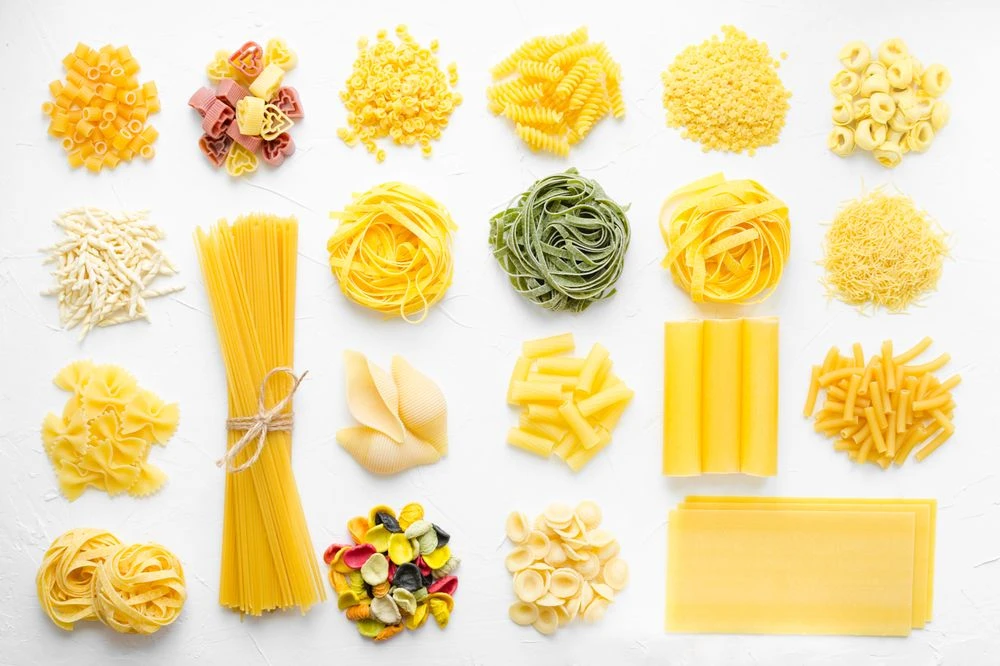
Pasta is one of the most versatile staples in any kitchen, and it's also one of the most misunderstood. People often treat all shapes as interchangeable, but the Italians who developed these forms over centuries would strongly disagree. The difference between pasta and noodles goes beyond ingredients — it extends to shape, purpose, and regional tradition.
Below, you'll find a practical breakdown of the most common types of pasta shapes, when to use each one, how to cook them right, and tips for keeping your pantry stocked without breaking the bank.
Contents
Pasta as we know it has roots stretching back to ancient civilizations, but the explosion of distinct shapes happened primarily in Italy between the 14th and 18th centuries. According to the National Pasta Association and historical records, Italian regions developed unique shapes based on what local sauces and ingredients demanded. A mountainous region with hearty ragùs needed tubes and ridges. Coastal areas with light seafood sauces favored thin strands.
What's fascinating is that many types of pasta shapes weren't designed by chefs at all. They were shaped by home cooks using whatever tools they had — a knitting needle for garganelli, a butter paddle for gnocchi sardi, a fork for cavatelli. The shapes carried family traditions forward, and over time, certain forms became associated with specific towns and provinces.
Today, commercially produced pasta standardizes these shapes, but the logic behind each form remains the same. Ridges (called "rigate") increase surface area for sauce. Hollow centers capture pockets of flavor. Twisted shapes like fusilli create small crevices where ingredients can nestle.
This is where understanding types of pasta shapes pays off in your cooking. The general rule is simple: match the weight of your sauce to the structure of your shape.
Spaghetti, linguine, fettuccine, and angel hair all fall into the long pasta category. These shapes work best with sauces that coat evenly — think olive oil and garlic, light cream sauces, or simple tomato. Fettuccine's wider surface handles heavier cream sauces like Alfredo, while angel hair is best reserved for the lightest preparations. If you're plating these for company, check out these pasta plating ideas for presentation tips.
Penne, rigatoni, fusilli, farfalle, and orecchiette are your go-to choices for sauces with substance. The grooves, tubes, and cups in these shapes physically trap pieces of meat, vegetables, and thick sauce. Rigatoni with a slow-cooked bolognese is a classic pairing because the wide tubes scoop up the ragù with every forkful.

Ravioli, tortellini, and agnolotti contain their own fillings — cheese, meat, or vegetables sealed inside dough. These are typically served with simple butter or broth-based sauces so the filling stays center stage. They take more effort to prepare, but a batch of homemade ravioli is one of the most rewarding kitchen projects you can tackle.
Pro tip: Don't drown filled pasta in heavy sauce. A light brown butter with sage lets the filling do the talking, and you'll actually taste what you spent time making.
Use at least 4 quarts of water per pound of pasta and salt it generously — the water should taste like the sea. Bring it to a rolling boil before adding the pasta, then stir within the first minute to prevent sticking. Cook to one minute shy of the package time if you plan to finish the pasta in a pan with sauce, which you should.
Save a cup of the starchy cooking water before draining. It's your secret weapon for emulsifying sauces and adjusting consistency. If you ever run out or forget, there are solid pasta water substitutes that work in a pinch.
Transfer your drained pasta directly into the saucepan with your sauce over medium heat. Add splashes of pasta water and toss vigorously for 60 to 90 seconds. This step marries the starch to the fat and creates that glossy, restaurant-quality coating. It works with every shape, from spaghetti to rigatoni.
Dried pasta is already one of the most affordable staples you can buy, but stocking strategically saves you even more. You don't need every shape — just a smart rotation that covers your bases. For more ways to stretch your grocery budget, see our guide on how to save money on food.
| Pasta Shape | Avg. Price (per lb) | Best Use | Shelf Life (dried) |
|---|---|---|---|
| Spaghetti | $1.20 – $1.80 | Light sauces, aglio e olio | 2 years |
| Penne Rigate | $1.20 – $2.00 | Baked dishes, chunky sauces | 2 years |
| Fusilli | $1.30 – $2.00 | Pasta salads, pesto | 2 years |
| Farfalle | $1.50 – $2.50 | Cream sauces, cold salads | 2 years |
| Rigatoni | $1.30 – $2.20 | Bolognese, baked ziti | 2 years |
| Egg Noodles | $2.00 – $3.50 | Soups, stroganoff | 1.5 years |
| Fresh Ravioli | $5.00 – $8.00 | Brown butter, light broth | 3–5 days (fridge) |
Keep three to four dried shapes on hand at all times. Spaghetti and penne cover most weeknight meals. Add fusilli for salads and rigatoni for baked dishes, and you're set for practically any recipe that comes your way.
Northern Italy favors egg-based doughs — tagliatelle from Emilia-Romagna and pappardelle from Tuscany are rolled flat and wide to hold rich meat sauces. Move south and the dough shifts to just semolina and water. Shapes get more architectural: orecchiette from Puglia (small ear-shaped discs perfect for broccoli rabe), cavatelli from Molise, and busiate from Sicily twisted around a thin rod.
Each region developed these forms around local ingredients. That's not coincidence — it's centuries of practical kitchen engineering.

Pasta-like dishes exist in nearly every cuisine. Asian noodles share some overlap but differ in ingredients and technique — if you're curious about the distinctions, our comparison of types of noodles breaks it all down. German spätzle, Polish pierogi, and Japanese udon each represent their own take on shaped dough, proving this concept transcends any single culture.
Dried pasta is remarkably shelf-stable. Keep it in a cool, dry place in its original packaging or transfer it to airtight containers. Avoid storing it above the stove where heat and humidity fluctuate. Properly stored dried pasta lasts two years or more without any loss in quality.
Fresh pasta is a different story. Homemade or store-bought fresh pasta should be refrigerated and used within three to five days. You can freeze it on a sheet pan in a single layer, then transfer the frozen pieces to a zip-top bag for up to two months. Cook frozen pasta directly from the freezer — no thawing needed. Just add an extra minute or two to your boiling time.
Cooked pasta keeps in the fridge for three to five days. Toss it with a small drizzle of olive oil before storing to prevent clumping. Reheat gently with a splash of water or broth to restore moisture.
The most widely used shapes include spaghetti, penne, fusilli, rigatoni, farfalle, linguine, and fettuccine. These cover the vast majority of recipes you'll encounter in everyday cooking.
The shape itself doesn't change the flavor of the dough, but it dramatically affects how much sauce clings to each bite. Ridged and tubular shapes hold more sauce, which changes your overall eating experience.
Rigatoni, penne, and ziti are ideal for baked pasta because their sturdy structure holds up during extended oven time without turning mushy. Their hollows also trap cheese and sauce beautifully.
Yes, but stick to shapes within the same category. Swap penne for rigatoni or spaghetti for linguine. Avoid swapping across categories — angel hair won't work where rigatoni is called for.
Pasta is traditionally made from durum wheat semolina and water, while noodles often contain eggs and can use various flours including rice and buckwheat. The shapes, cooking methods, and culinary traditions also differ significantly.
Dried pasta stored in a cool, dry place lasts about two years. It doesn't truly expire but may lose texture quality over time. Always check for signs of moisture or insects before cooking old stock.
Neither is inherently better — they serve different purposes. Fresh pasta has a tender, delicate texture suited to butter and cream sauces. Dried pasta has a firmer bite that works well with robust, oil-based, and tomato sauces.
Rigatoni and paccheri hold the most sauce due to their large, open tubes combined with ridged exteriors. Fusilli and rotini also perform well because their spirals create numerous small pockets for sauce to cling to.
 |
 |
 |
 |

About Christopher Jones
Christopher Jones holds an MBA from the University of San Francisco and brings a business-minded approach to kitchen gear evaluation — assessing products not just for performance but for long-term value, build quality, and real-world usability in everyday home cooking. He has spent years testing appliances, cookware, and kitchen gadgets with the same analytical rigor he developed in business school. At BuyKitchenStuff, he covers kitchen appliance reviews, buying guides, and practical cooking tips.
Check for FREE Gifts. Or get our Free Cookbooks right now.
Disable the Ad Block to reveal all the recipes. Once done that, click on any button below
|
|
|
|
