by Christopher Jones
The best bread machine cornbread recipes deliver a moist, golden crumb with almost no hands-on effort. Our team has tested dozens of variations, and the results consistently show that a bread machine handles cornbread better than most home cooks expect. For anyone exploring our collection of bread recipes, cornbread is one of the most accessible and rewarding places to start.

Cornbread pairs well with soups, stews, chili, and barbecue. It earns a place at nearly any table. The bread machine transforms what was once a multistep stovetop-to-oven process into something nearly automatic. Anyone can load the pan, select the right cycle, and come back to a finished loaf.
We've gathered nine variations that span the full range — from sweet and cakey to savory and dense. Each recipe works with a standard 1.5-pound or 2-pound bread machine. Small adjustments for altitude or humidity may be needed, but the core ratios stay consistent across machines and brands.
Contents
Cornbread traces its origins to Native American cooking, where ground corn was a dietary staple long before European settlers arrived. According to Wikipedia's entry on cornbread, early preparations were baked on flat stones and in clay pots using a variety of regional grinding techniques. Over centuries, the dish absorbed Southern and Appalachian influences, becoming a fixture in American home cooking.
Cast iron skillets were the traditional vessel of choice. They produced a crispy exterior crust that many purists still prize today. That method demands close attention — monitoring heat, adjusting the flame, and watching for scorching. For everyday cooking, most people don't have that level of oversight available on a busy weeknight.
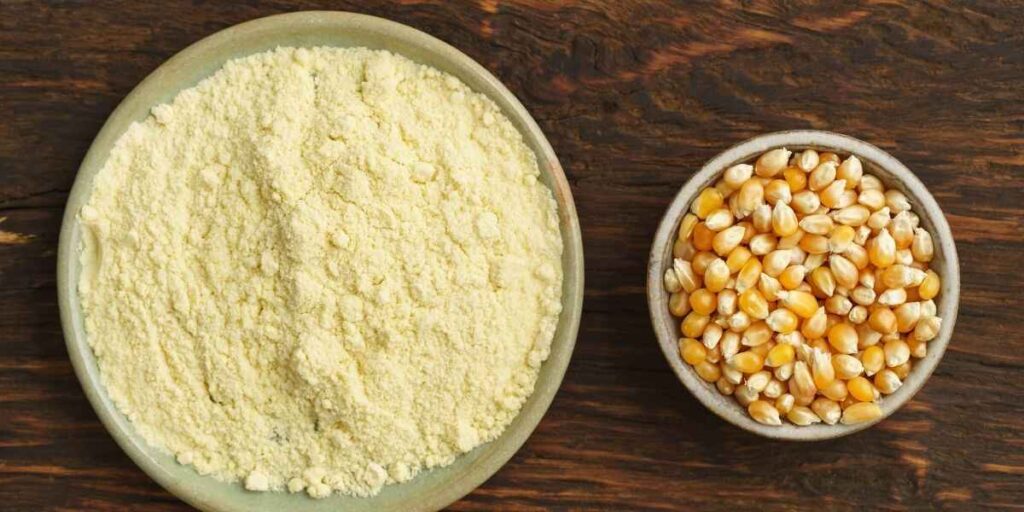
The bread machine removed the guesswork entirely. It controls temperature, timing, and mixing automatically. Our team found that most machines produce a consistently moist, even crumb — even on the very first attempt. The even heat distribution inside a bread machine pan closely mimics what a Dutch oven achieves, but with far less intervention required.
Modern bread machines also allow for a wide range of cycle customization. The "Quick Bread" or "Cake" setting, available on most mid-range models, was designed specifically for baking-powder-leavened batters. This is where best bread machine cornbread recipes truly shine — consistent results without a separate oven needed.
For those new to bread machine baking, a straightforward five- or six-ingredient recipe is the right entry point. Cornmeal, all-purpose flour, eggs, butter, milk, and a leavening agent cover everything needed for a reliable base. The table below shows how ingredient proportions shift across nine recipe styles, from simple weeknight loaves to more adventurous weekend projects.
| Recipe Style | Cornmeal | Flour | Sugar | Key Add-Ins | Difficulty |
|---|---|---|---|---|---|
| Classic Sweet | 1 cup | 1 cup | 3 tbsp | None | Beginner |
| Savory Herb | 1 cup | 1 cup | 1 tbsp | Rosemary, thyme | Beginner |
| Jalapeño Cheddar | 1 cup | 1 cup | 2 tbsp | Jalapeño, cheddar | Intermediate |
| Bacon & Chive | 1 cup | 1 cup | 2 tbsp | Bacon bits, chives | Intermediate |
| Blueberry Honey | 1 cup | 1 cup | 4 tbsp | Blueberries, honey | Intermediate |
| Buttermilk Dense | 1.5 cups | 0.5 cup | 0 tbsp | None | Advanced |
| Smoked Paprika | 1 cup | 1 cup | 1 tbsp | Paprika, chipotle | Advanced |
| Whole Grain | 0.75 cup | 0.75 cup | 2 tbsp | Whole wheat flour | Intermediate |
| Brown Butter | 1 cup | 1 cup | 3 tbsp | Browned butter | Advanced |
Add-ins change more than flavor. They shift moisture levels, density, and rise behavior. Wet add-ins — blueberries, creamed corn, or honey — require reducing the base liquid proportionally. Dry add-ins like shredded cheese or crumbled bacon have less impact on moisture ratios but can affect how the loaf rises in the pan.
Those interested in other appliance-driven baking approaches should also explore our guide to the best stand mixers for baking. A stand mixer is a useful complement when making larger batches or when recipes call for whipped eggs or creamed butter prepared separately before loading the bread machine.
Room temperature eggs and milk are essential for good rise. Cold dairy slows leavening and produces a denser crumb than most people prefer. Our team pulls eggs and milk from the refrigerator about 30 minutes before starting. The butter is melted and allowed to cool slightly before adding to the pan — hot butter can partially cook the eggs on contact, affecting the final crumb structure.
For the classic sweet recipe, the base ingredients are: 1 cup yellow cornmeal, 1 cup all-purpose flour, 3 tablespoons sugar, 1 tablespoon baking powder, ½ teaspoon salt, 2 lightly beaten eggs, 1 cup whole milk, and ¼ cup melted butter. These proportions consistently produce a balanced loaf — moist and tender with a light sweetness that works well alongside savory dishes.
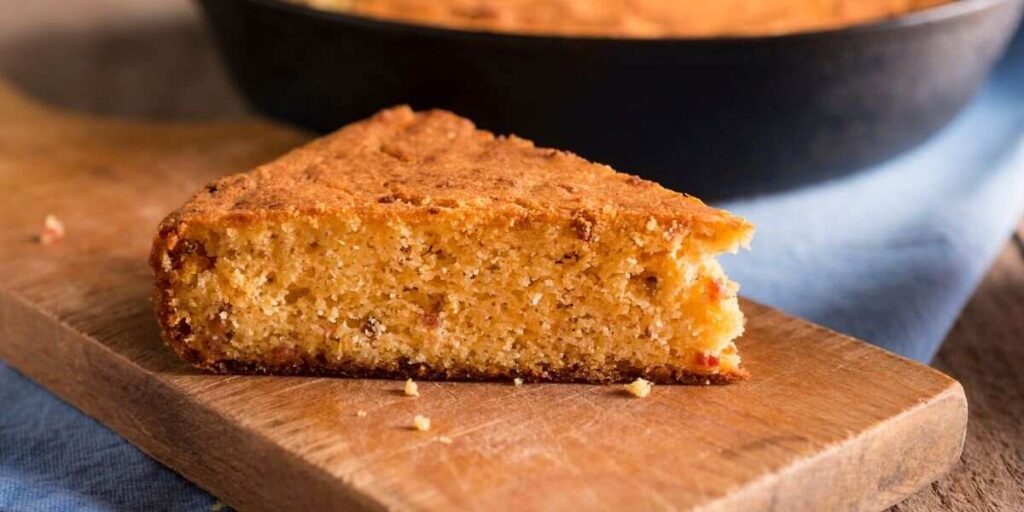
Most bread machines follow a wet-first, dry-second loading order. Our team adds the milk, eggs, and melted butter to the pan first, then layers the dry ingredients on top. The machine is then set to the "Quick Bread" or "Cake" cycle — never the standard bread cycle, which is engineered for yeast doughs and will over-knead a cornbread batter into a tough, chewy loaf.
Pro tip: Our team uses the bake-only setting on a second pass when the top needs more color — this adds crispness without running the mixing paddle through the batter again.
The cycle typically runs between 60 and 90 minutes depending on the machine model. When the cycle ends, the loaf is left to rest in the pan for 10 minutes before removal. That brief rest prevents the crumb from collapsing and makes the loaf easier to slice cleanly. An internal temperature between 200°F and 205°F confirms the loaf is fully baked through the center.
The type of cornmeal changes the final texture in meaningful ways. Coarse-ground cornmeal produces a grainier, more rustic loaf. Fine-ground cornmeal delivers a smoother, more cake-like crumb. Our team leans toward medium-ground for an everyday balance between texture and tenderness. Stone-ground cornmeal retains more of the grain's natural oil, which adds noticeable flavor depth but also shortens shelf life. Storing stone-ground cornmeal in the refrigerator or freezer extends its usability considerably.
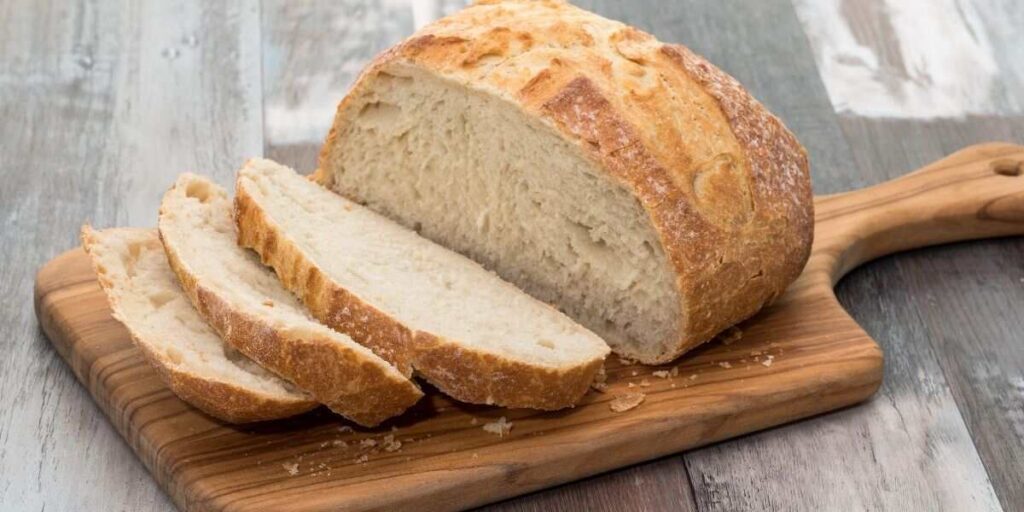
Bread machines vary in how much heat they generate. Older models sometimes run hotter, which can over-brown the exterior while leaving the center underdone. Our team recommends using a probe thermometer to confirm doneness rather than relying solely on the timer — the internal temperature is the most reliable measure available.
For anyone who regularly serves baked goods at gatherings, our guide to the best warming drawers covers practical options for keeping cornbread warm without drying it out. And for leftover management, the moisture-retention principles in our post on the best way to reheat pasta apply equally well to cornbread slices — wrapping tightly and reheating gently at low heat is the consistent recommendation across both.
The most common error our team has encountered is selecting the wrong bread machine cycle. The standard yeast-bread cycle kneads the dough repeatedly over an extended period. Cornbread batter doesn't need kneading — it needs brief, gentle mixing followed by steady heat. Excessive kneading develops gluten that turns what should be a tender, crumbly loaf into something chewy and tough.
Always use the Quick Bread or Cake setting for any non-yeast cornbread recipe. This applies across all nine variations in the table above, regardless of add-ins or complexity level. Even experienced bakers make this error when moving from yeast-bread baking to quick-bread baking for the first time.
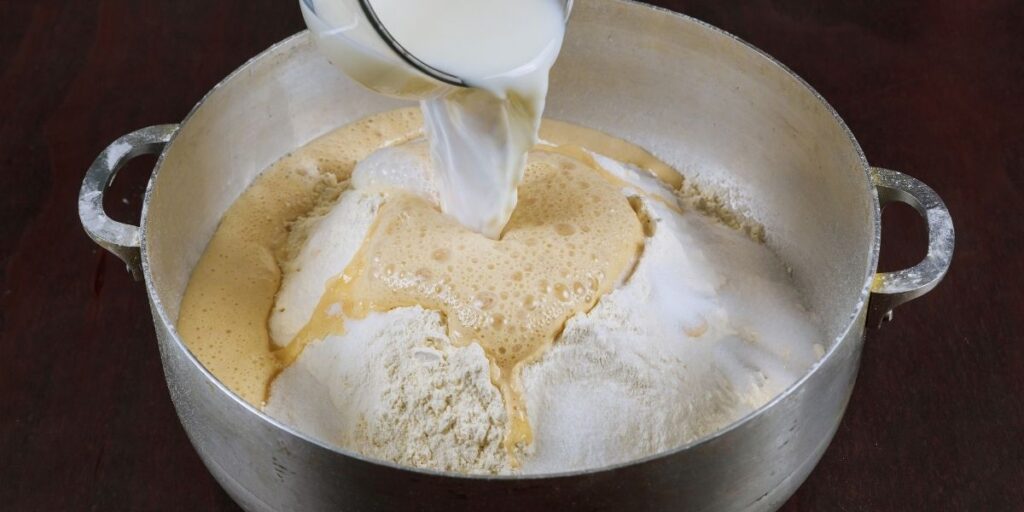
Baking is chemistry. Small measurement errors compound quickly inside a closed bread machine environment. Too much flour produces a dry, dense loaf. Too little baking powder results in flat, heavy cornbread with poor rise. Our team recommends using a kitchen scale rather than volume measurements — it eliminates the variance that comes from how tightly cornmeal or flour is packed into a measuring cup.
Cornmeal absorbs liquid more slowly than flour. If the batter looks too thin immediately after the mixing phase begins, our team advises resisting the urge to add more cornmeal right away. Allowing the batter two to three minutes to rest usually resolves the issue as the cornmeal hydrates and the mixture thickens on its own.
For anyone interested in the broader range of kitchen appliances that support precise baking, our review of the best wall oven microwave combo is worth exploring. And for a classic dessert that pairs naturally with a cornbread-centered meal, our post on Betty Crocker French Apple Pie covers a reliable option that complements both sweet and savory cornbread styles.
Most bread machines equipped with a Quick Bread or Cake cycle can make cornbread effectively. The key is avoiding the standard yeast-bread cycle, which over-kneads the batter. Models with a bake-only setting offer additional flexibility for adjusting surface browning without restarting the full cycle.
Southern-style cornbread uses little to no sugar and often relies on buttermilk, producing a savory, dense loaf. Northern-style cornbread typically includes more sugar and a higher flour ratio, resulting in a sweeter, more cake-like texture. Both styles adapt well to bread machine preparation with minimal recipe modification.
Cornbread stores best wrapped tightly in plastic wrap or sealed in an airtight container at room temperature for up to two days. For longer storage, wrapping individual slices and freezing them works reliably. Reheating at 300°F for 8 to 10 minutes in a conventional oven restores the texture without drying the crumb.
Yes, most add-ins integrate well when introduced at the correct stage. Many machines have an add-in beep that signals the right moment to add mix-ins mid-cycle. Adding them too early causes them to break down excessively during mixing. Shredded cheese works best when added in small, separate clumps rather than as a single mass.
Machine capacity matters significantly. A recipe scaled for a 1.5-pound machine will overflow a smaller pan or underfill a 2-pound pan. Our team recommends checking the manufacturer's listed capacity and adjusting ingredient quantities proportionally before the first bake on any unfamiliar machine.
Gluten-free cornbread is achievable in a bread machine, though it requires substituting all-purpose flour with a certified gluten-free flour blend. Xanthan gum is often needed to replicate the binding role of gluten. Results vary by machine and blend combination, so our team recommends starting with a tested gluten-free cornbread recipe rather than adapting a standard one directly.
 |
 |
 |
 |

About Christopher Jones
Christopher Jones holds an MBA from the University of San Francisco and brings a business-minded approach to kitchen gear evaluation — assessing products not just for performance but for long-term value, build quality, and real-world usability in everyday home cooking. He has spent years testing appliances, cookware, and kitchen gadgets with the same analytical rigor he developed in business school. At BuyKitchenStuff, he covers kitchen appliance reviews, buying guides, and practical cooking tips.
Check for FREE Gifts. Or get our Free Cookbooks right now.
Disable the Ad Block to reveal all the recipes. Once done that, click on any button below
|
|
|
|
