Kitchen Gadgets & Equipment Reviews ›
by Christopher Jones
The Microplane Classic Zester Grater is the best lemon zester you can buy in 2026 — its photo-etched American-made blades shred citrus rind cleanly without dragging, and it's been a professional kitchen staple for decades. Whether you're zesting lemons for a vinaigrette, grating hard cheese over pasta, or finishing a dessert with citrus dust, having the right zester makes the difference between bitter pith ruining a dish and bright, aromatic flavor landing exactly where it should.
A lemon zester looks deceptively simple. But blade sharpness, tooth geometry, handle ergonomics, and cleaning design separate the tools you reach for every day from the ones that end up in the back of a drawer. Dull blades tear the rind instead of slicing it, pulling white pith and producing mushy, bitter zest. A well-designed zester removes only the thin, flavorful outer layer in one smooth pass. According to Wikipedia's overview of zest as a culinary ingredient, the volatile oils concentrated in citrus peel are what deliver flavor — and protecting those oils starts with using a blade sharp enough to release them without crushing the cells.
This guide covers seven of the best lemon zesters available on Amazon in 2026, across a range of prices and designs. You'll find options from the gold-standard Microplane lineup, dependable OXO ergonomics, budget-friendly Spring Chef construction, and clever self-cleaning innovations. Browse all of our kitchen tool reviews if you want to keep exploring beyond zesters. Let's get into it.
Contents


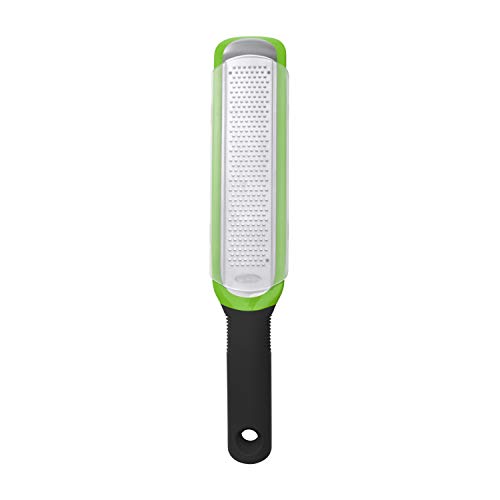


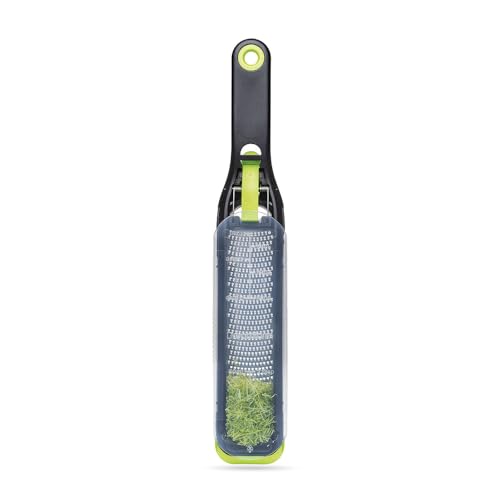

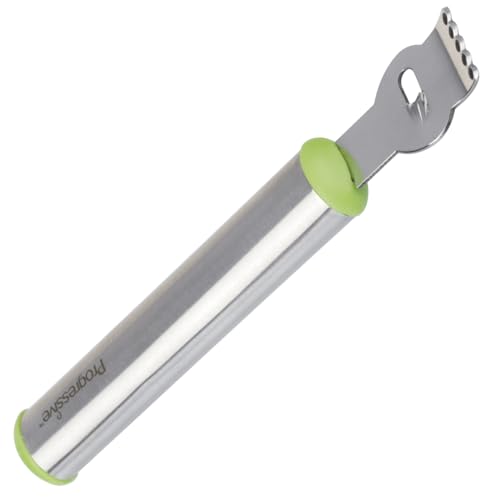
If you only buy one zester in 2026, make it this one. The Microplane Classic has earned its reputation as the industry benchmark, and it's still the tool professional chefs and serious home cooks reach for first. The photo-etched blades are made in the USA using a process that creates micro-sharp cutting edges — not stamped or pressed like cheaper alternatives, but chemically etched for edges that stay sharper longer and slice cleanly through citrus rind on the first pass.
The tooth geometry is specifically engineered for citrus: the blade angles and spacing remove the flavorful outer zest while leaving the bitter white pith on the fruit. That precision matters more than most people realize. You get light, fluffy zest that releases its essential oils into whatever you're making, not wet, compressed shreds tangled with bitter white fiber. The BPA-free plastic handle is comfortable to grip and provides enough rigidity to guide the blade with control. This zester also doubles as a hard cheese grater — Parmesan comes off in fine, airy mounds that melt instantly over pasta or eggs.
Cleaning is straightforward: rinse under warm water or drop it in the dishwasher. The blade doesn't clog the way box graters do, and most zest releases under running water without scrubbing. At this price point, you're getting a tool that will outlast cheaper options by years and perform better from day one. It's the standard by which every other zester on this list is measured.
Pros:
Cons:
OXO has built an entire brand identity around ergonomics, and the Good Grips Etched Zester delivers on that promise without sacrificing performance. If you cook frequently or have hand fatigue or grip strength issues, the soft, non-slip handle on this zester is a genuine advantage. It's wider and more cushioned than the Microplane's handle, providing a secure grip even when your hands are wet from citrus juice.
The etched surface performs comparably to Microplane at a similar price, handling citrus fruits, hard cheeses, garlic, fresh ginger, and dark chocolate with equal ease. OXO's etching process creates sharp cutting edges across the full surface, and the blade surface area is slightly wider than the Classic Microplane, which lets you cover more fruit per stroke. This is a noticeable time-saver when you're zesting multiple lemons or limes for a batch recipe.
Versatility is this zester's strongest selling point. You can use it as your go-to for almost everything that requires fine grating — from nutmeg over a béchamel to ginger into a stir-fry. It's dishwasher safe and rinses clean easily. For someone who wants one tool that handles citrus, cheese, spices, and aromatics with comfort and control, the OXO Good Grips is the pick. If you're upgrading your kitchen toolkit beyond just zesters, check out our guide to the best food processors for additional high-value kitchen investments.
Pros:
Cons:
If the plastic handle on the Classic Microplane bothers you — aesthetically or practically — the All-Stainless version solves that without compromising anything else. This is the same photo-etched, Made in USA blade mounted in a full stainless steel body, making it one of the most durable and professional-looking zesters on the market. The all-metal construction means there are no plastic parts to crack, warp, or discolor over time.
The blade performs identically to its black-handled sibling: precise tooth geometry that separates zest from pith cleanly, producing fine, aromatic shreds with minimal pressure. The stainless handle feels substantial in hand — it has real weight to it, which some cooks prefer for control. It's completely dishwasher safe, corrosion-resistant, and won't absorb odors or stains the way plastic handles sometimes can after years of exposure to citrus acids.
This is the version to buy if you want a tool that looks at home in a professional kitchen, holds up to heavy daily use, and will still be performing at full capacity years from now. The premium is small over the Classic model and entirely justified by the construction upgrade. If blade maintenance across your kitchen tools is something you think about, our best knife grinder guide covers the sharpening tools worth having on hand.
Pros:
Cons:
The Spring Chef Zester punches well above its price bracket. Built from commercial-grade 304 (18/8) stainless steel, it brings legitimate durability and sharpness to a tool that often gets treated as a throwaway purchase. The 18/8 stainless steel blade is rust-resistant and razor-sharp, engineered to stay that way under regular use — a real advantage over the cheaper chrome-plated options that corrode within months.
Spring Chef has engineered stiffness into the frame intentionally: the blade doesn't flex or warp under pressure, which ensures consistent contact with the fruit surface and even zest output on every stroke. Cheaper zesters often have thin, bendy frames that bow under pressure, forcing you to adjust your angle constantly. That's not an issue here. The ergonomic non-slip handle gives you a fatigue-free grip, and food glides off the blade smoothly rather than clogging between the teeth. The included blade cover is a practical safety bonus for drawer storage.
If your budget is tight or you want a reliable backup zester for a vacation home or a gift for someone building their first kitchen kit, this is the answer. Performance is excellent for the price, and the construction quality would embarrass tools that cost twice as much. The blade cover also makes it a travel-friendly option for those who cook on the road. For a well-rounded budget kitchen build, pair it with our picks in the best candy thermometers guide for baking precision.
Pros:
Cons:
Dreamfarm builds tools that solve the small frustrations other brands ignore, and the Ozest is a perfect example. Anyone who uses a traditional zester regularly knows the problem: zest gets packed into the blade and won't release cleanly, forcing you to scrape it with your finger or a brush — often losing a significant portion of the zest you just worked to produce. The Ozest's POP-button mechanism pushes a wiper across the blade, releasing all the zest onto your plate or bowl in one motion with zero waste.
This isn't just a gimmick. When you're working with expensive ingredients like truffles, aged Parmesan, or lemon zest for a small-batch recipe, every milligram of output matters. The Ozest is also designed to produce particularly fine, fluffy zest — the 1mm blade tooth pattern creates the light, airy texture that distributes evenly through batters, dressings, and sauces. The non-slip silicone foot is an understated but practical feature: set it on your cutting board or bowl edge for hands-free zesting while you hold the fruit with both hands.
The black and green colorway looks sharp, and the build quality matches the clever design. This is the zester for cooks who think carefully about workflow efficiency and hate losing any of their ingredients to a stubborn blade. It handles cheese, nuts, and spices with the same efficiency as citrus. If you cook often enough that wasted zest actually adds up, the Ozest will pay for itself in saved ingredients.
Pros:
Cons:
Joseph Joseph's Handi-Zest takes a different approach to the same problem the Dreamfarm Ozest solves: an integrated cleaning blade physically sweeps the zest clear of the grating surface so nothing gets stuck or wasted. It's simpler and more compact than the Ozest's pop mechanism, and it handles the task effectively. If you've ever run your finger along a zester blade and cut yourself while trying to recover stuck zest, this feature alone makes the Handi-Zest worth considering.
The razor-sharp etched stainless-steel blade produces clean, consistent zest on citrus and performs well on hard cheeses and chocolate. The ergonomic handle is comfortable and well-proportioned, providing a natural grip angle that keeps the blade in consistent contact with whatever you're zesting. Build quality is solid — Joseph Joseph is a British brand with a strong reputation for thoughtful kitchen design, and the Handi-Zest reflects that.
At its price point, this is a well-executed tool with a genuinely useful feature set. The integrated cleaning wiper is more elegant than the pop-button approach — fewer moving parts, simpler cleaning, easier to use in one fluid motion. The green color is distinctive and easy to spot in a drawer. If zero-waste zesting in a slim, drawer-friendly form factor is your priority, the Handi-Zest delivers.
Pros:
Cons:
The Progressive International Citrus Zester is a no-frills, budget-friendly option for cooks who zest occasionally and don't want to spend much. It's a straightforward design: a compact plastic handle with a small stainless zesting head at the tip. This style of zester produces curled citrus strips rather than fine shreds — ideal for garnishing cocktails, decorating desserts, or adding visible strips of peel to a dish rather than invisible micro-zest integrated into a batter or sauce.
This is an older, more traditional zester design — the kind your grandmother may have owned — with a row of small holes that pull curled strips from the surface of citrus fruit. It does exactly what it promises at a fraction of the price of the premium options. If your zesting needs are primarily decorative or occasional, this tool works fine. It's small, lightweight, and easy to store.
Where it falls short is versatility and output volume. You can't grate cheese with it, and if you need fine, fluffy zest for baking or cooking, this design produces the wrong texture. Think of it as a garnishing tool first and a cooking tool second. For casual use or as an inexpensive addition to a cocktail kit, it earns its spot in this roundup — but serious cooks will outgrow it quickly and want to step up to a Microplane or OXO.
Pros:
Cons:
Not all zesters are created equal, and the difference between a great one and a frustrating one comes down to a handful of specific design decisions. Here's what to evaluate before you buy.

This is the single most important factor. There are two main blade manufacturing processes you'll encounter:
When a blade is sharp enough, you use less pressure — which means less pith contamination and more control. Dull blades drag and tear, pulling bitter white fiber into your zest.
You'll be holding this tool in one hand while applying lateral pressure to a round fruit. Handle design directly affects comfort and control.
Zest that gets packed into blade teeth is zest you don't get to use — and it makes cleaning harder. Here's how different designs handle it:
Think about what you'll actually use your zester for beyond lemons. The right choice depends on your cooking habits.
A lemon zester is specifically designed to remove the thin, flavorful outer layer of citrus rind in fine shreds or strips, leaving the bitter white pith behind. A grater is a broader category of kitchen tool used to shred, grate, or finely mince a wide range of ingredients including cheese, vegetables, spices, and chocolate. Modern zesters like the Microplane Classic are dual-purpose — they're fine enough to zest citrus cleanly and sharp enough to grate hard cheeses, ginger, nutmeg, and chocolate. Traditional hole-punch zesters, like the Progressive International model, produce decorative citrus strips and are not suitable for grating other ingredients.
The biggest threat to zester blade sharpness is abrasive contact — harsh scrubbing pads, dishwasher cycles repeated over years, and banging against other utensils in a drawer. To preserve blade life: hand wash with warm water and a soft brush, allow to dry fully before storing, and use the included blade cover if one is provided. Photo-etched blades like those from Microplane hold their edge longer than stamped alternatives, but even the best blades eventually dull. Most quality zesters stay sharp for years under normal home use before needing replacement.
Absolutely. A fine-toothed zester like the Microplane or OXO models handles hard cheeses like Parmesan and Pecorino Romano, dark chocolate, fresh ginger root, whole nutmeg, garlic cloves, horseradish root, and frozen butter. The same blade geometry that pulls flavorful rind from citrus excels at any task requiring fine, fluffy output from a firm ingredient. This versatility is one of the strongest reasons to invest in a quality zester rather than a specialized single-use tool.
If you don't have a dedicated zester, a fine box grater or the small holes of a standard box grater work as substitutes. A sharp vegetable peeler can remove large strips of peel, which you can then mince finely with a knife. A sharp paring knife can also peel thin strips if you're careful to avoid the white pith. None of these approaches produce the fine, fluffy texture that a dedicated zester like the Microplane creates, but they get the job done in a pinch. For anyone who zests regularly, a dedicated tool is worth the small investment.
Yes — always. Citrus fruit skins are exposed to pesticides, waxes applied to extend shelf life, and handling during transport and retail. Since you're using the outer skin directly in your food, washing the fruit thoroughly is essential. Scrub under warm running water and use a produce brush if you have one. For conventional (non-organic) citrus, a brief soak in a diluted vinegar or baking soda solution can help remove surface residue. Organic citrus is a safer choice for zesting if you can access it, but washing is still recommended regardless of origin.
One medium lemon typically yields about one to two teaspoons of finely grated zest using a Microplane-style zester. This varies with fruit size, thickness of the rind, and how aggressively you zest before hitting the pith. Limes yield slightly less — about one teaspoon per fruit — while large navel oranges can produce a tablespoon or more. For recipes that call for significant amounts of zest, plan on two to three lemons per tablespoon required. Always zest before juicing the fruit, since a whole fruit is much easier to hold and rotate against the blade than a spent lemon half.
 |
 |
 |
 |

About Christopher Jones
Christopher Jones holds an MBA from the University of San Francisco and brings a business-minded approach to kitchen gear evaluation — assessing products not just for performance but for long-term value, build quality, and real-world usability in everyday home cooking. He has spent years testing appliances, cookware, and kitchen gadgets with the same analytical rigor he developed in business school. At BuyKitchenStuff, he covers kitchen appliance reviews, buying guides, and practical cooking tips.
