by Christopher Jones
Can you really get crispy, golden french fries from your oven without using a single drop of oil? The answer is a definite yes — and the results might surprise you. Making oven baked french fries without oil is simpler than most people think, and you only need a few basic tools and the right technique. Whether you're cutting calories, watching your fat intake, or simply ran out of cooking oil, this method delivers satisfying fries every time. In this guide from our cooking and kitchen blog, you'll learn exactly how to nail the perfect oil-free oven fry from start to finish.
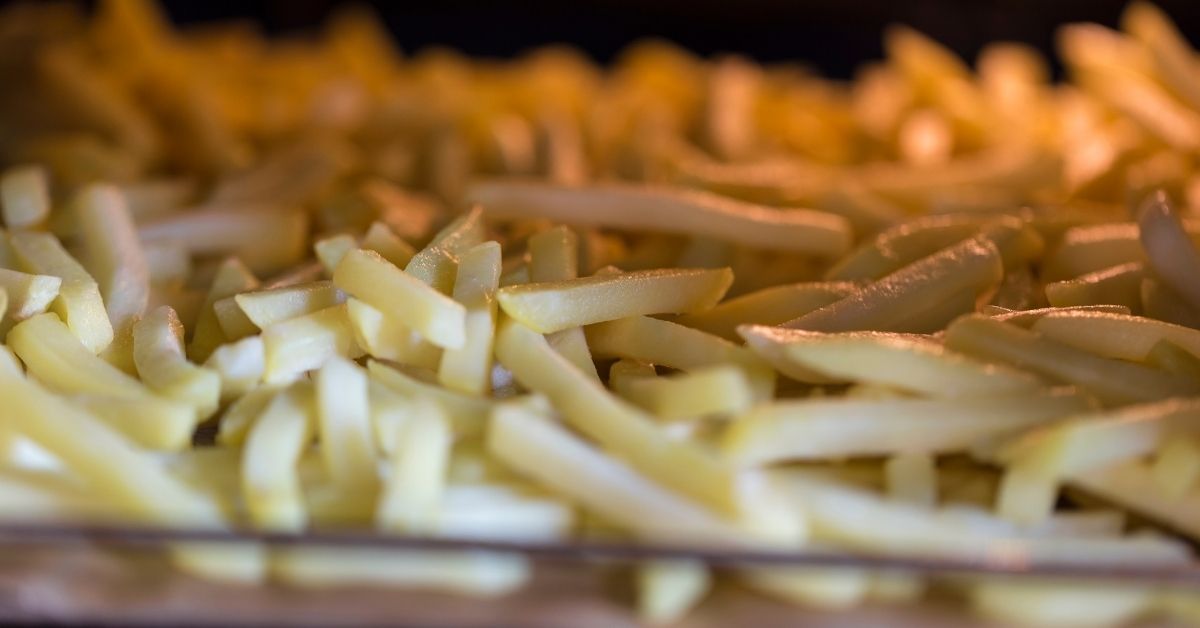
The secret comes down to understanding how potatoes behave at high heat. When you cut them right, soak them properly, and bake at the correct temperature, the natural starches on the surface crisp up beautifully without any added fat. You get that satisfying crunch on the outside and a fluffy interior — all while keeping the calorie count way down compared to deep-fried versions.
If you're already exploring healthier cooking methods — like learning how to cook vegetable noodles or swapping ingredients for lighter alternatives — oil-free fries fit right into that lifestyle. Let's break down everything you need to know.
Contents
Deep-fried french fries taste great, but they come with a serious calorie cost. A medium serving of fast-food fries packs around 365 calories and 17 grams of fat. That's before you even add ketchup. When you bake your fries without oil, you cut the fat content down to almost nothing while keeping the flavor and texture you love.
According to the USDA, a medium russet potato contains about 168 calories on its own with virtually zero fat. All that extra fat in traditional fries comes entirely from the cooking oil. Remove the oil, and you're eating a much cleaner snack.
| Preparation Method | Calories (per serving) | Fat (grams) | Fiber (grams) | Cooking Time |
|---|---|---|---|---|
| Deep-fried | 365 | 17g | 3.8g | 8-10 min |
| Pan-fried with oil | 270 | 12g | 3.8g | 15-20 min |
| Oven baked with oil | 220 | 7g | 3.8g | 30-40 min |
| Oven baked without oil | 168 | 0.2g | 3.8g | 35-45 min |
| Air-fried without oil | 170 | 0.3g | 3.8g | 18-22 min |
The difference is striking. You save nearly 200 calories per serving just by baking without oil. Over a week of regular snacking, that adds up fast.
Potatoes get a bad reputation, but they're actually packed with good stuff. A single medium potato delivers:
When you prepare them without oil, you get all these benefits without the downsides of added fat. It pairs well with a broader focus on balanced meals for better health.
You don't need any fancy gadgets to make perfect oil-free fries. Most of these items are probably already in your kitchen. Having the right setup, though, makes a real difference in how your fries turn out.
Your baking sheet is the most important piece of equipment here. A heavy-duty rimmed baking sheet distributes heat evenly and prevents hot spots that burn some fries while leaving others limp. Thin, flimsy pans warp in high heat and give you uneven results.
For liners, you have two solid options:
Skip the aluminum foil. Without oil, your fries will stick to foil like glue. It's a mess you don't need. If you're designing a kitchen from scratch, consider storing parchment rolls in a drawer near your oven for quick access.
A sharp chef's knife is all you really need. A dull knife crushes the potato cells instead of slicing cleanly, which releases extra starch and makes your fries gummy. If you make fries often, a handheld french fry cutter speeds things up and gives you perfectly uniform cuts every time.
You'll also want a large mixing bowl for soaking and a colander for draining. A clean kitchen towel or paper towels are essential for drying the potatoes before they hit the oven.
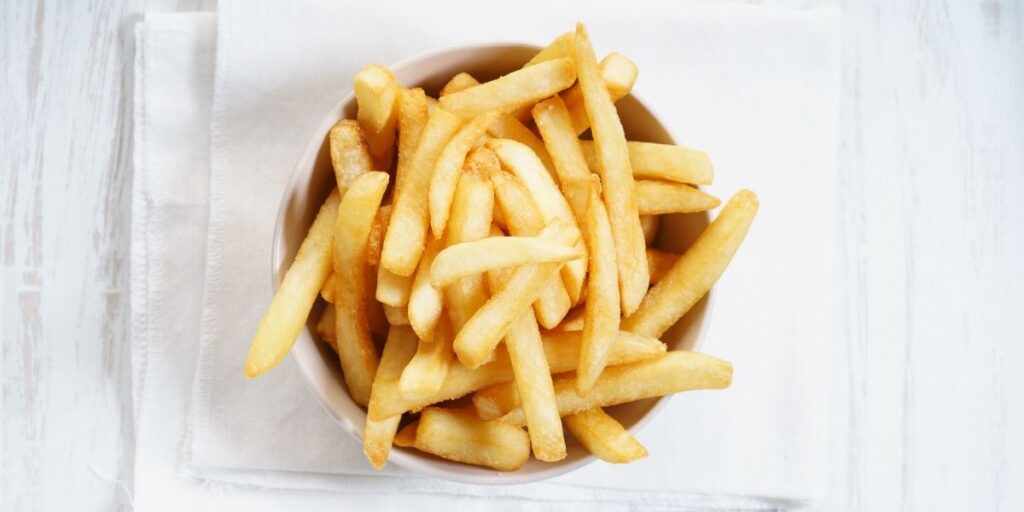
This is the core method. Follow these steps closely, and you'll get crispy, golden fries every single time — no oil required.
Not all potatoes are created equal when it comes to fries. Russet potatoes are your best choice for oil-free oven fries. They have a high starch content and low moisture, which means they crisp up better than waxy varieties.
Here's a quick breakdown of your options:
Pick potatoes that are firm, smooth, and free of green spots or sprouts. Green areas contain solanine, which tastes bitter and isn't great for you.
Cut your potatoes into uniform sticks about ¼ to ⅓ inch thick. Consistency matters — if your fries are different sizes, the thin ones burn while the thick ones stay soft. Aim for matchstick-sized cuts for maximum crispiness.
Now here's the step most people skip: soak the cut potatoes in cold water for at least 30 minutes. This pulls out excess surface starch, which is the main culprit behind soggy fries. For even better results, soak them for up to two hours or overnight in the fridge.
Pro tip: After soaking, dry your fries thoroughly with a clean kitchen towel. Any remaining water on the surface creates steam instead of crispiness. Pat them until they're completely dry — this single step makes the biggest difference in your results.
After drying, you can toss the fries with a small amount of cornstarch (about 1 tablespoon per pound of potatoes). This creates an extra-crispy coating without adding any fat. It's optional, but it works remarkably well.
Follow these steps exactly:
The total cook time is 35 to 45 minutes depending on your oven and how thick you cut the fries. You're looking for a deep golden color with slight browning on the edges.
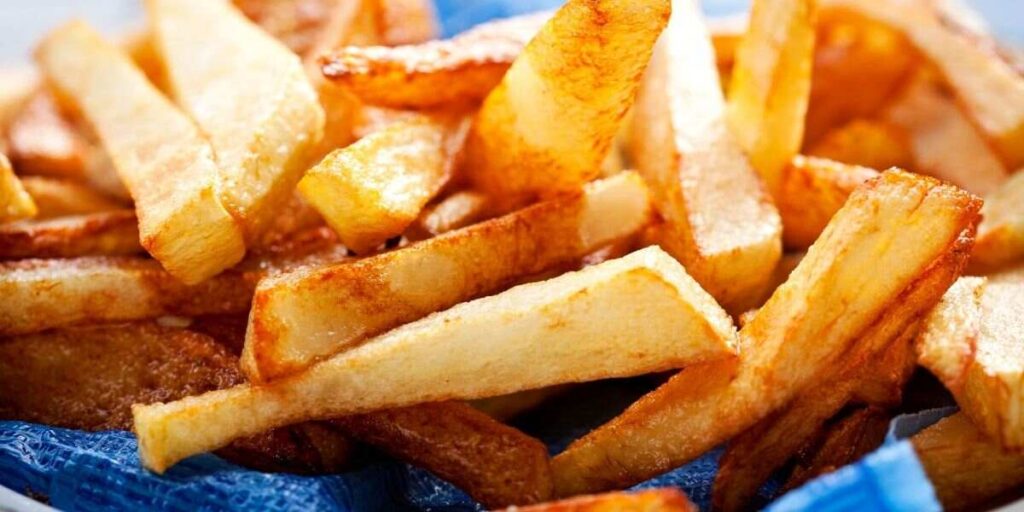
One of the best things about oven baked french fries without oil is how well they take on different seasonings. Without the oil coating, dry spices actually stick to the potato surface better than you'd expect — especially when you season right out of the oven while they're still steaming.
Start with these tried-and-true combinations:
Speaking of keeping your seasonings fresh, proper storage matters. Learn how to keep salt dry so your seasonings are always ready to use and don't clump up in humid weather.
Once you've mastered the basics, try these bolder options:
Making fries without oil is forgiving once you know the technique, but a few common errors can tank your results. Here are the ones to watch out for:
Avoid these pitfalls and you'll see a dramatic improvement in your results. If you enjoy oven-based cooking, you might also like learning how to make bacon jerky — another simple oven technique with great results.
Even with the right technique, things can go wrong. Here's how to diagnose and fix the most common issues with your oven baked french fries without oil.
Problem: Fries are limp and soggy.
Problem: Fries are burnt on the outside, raw inside.
Problem: Fries stick to the baking sheet.
Problem: Fries taste bland.
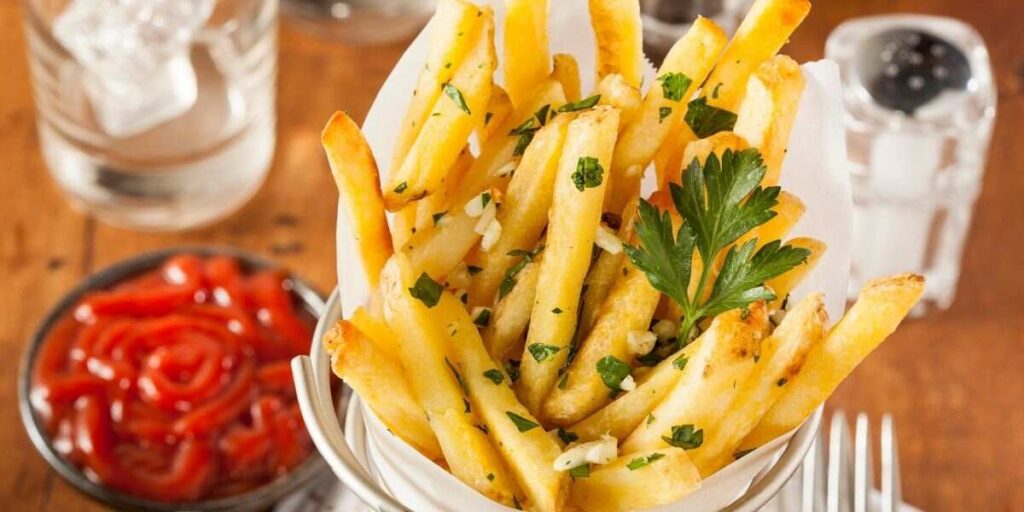
You've got the basics down. Now let's push your oil-free fries from good to outstanding. These tips come from years of testing and tweaking the technique.
Preheat the baking sheet. Putting your baking sheet in the oven while it preheats gives you a searing-hot surface that immediately starts crisping the bottom of each fry. It's like the oven version of dropping fries into hot oil.
Use the cornstarch method. After drying your fries, toss them in a bowl with 1 tablespoon of cornstarch per pound of potatoes. The starch forms a thin, crispy shell that mimics the crunch of fried fries. You can also use arrowroot powder if you prefer — it works the same way.
Try a brief par-boil. Boil your cut fries for exactly 3 minutes, then drain, dry, and bake as usual. This gelatinizes the surface starch and creates an incredibly crispy exterior. It adds a step but the results are noticeably better.
Warning: Never use convection mode above 400°F for oil-free fries. The forced air dries out the thinner edges too fast, giving you burnt tips while the centers stay undercooked. If your oven only has convection, reduce temperature by 25°F.
Double-bake for extra crunch. Bake at 400°F for 20 minutes, pull them out for 5 minutes to cool slightly, then return to a 450°F oven for a final 10-minute blast. The temperature change creates a crispier surface layer. This technique works well for anyone who enjoys the crunchiest possible fries.
Finish under the broiler. For the last 2-3 minutes of cooking, switch your oven to broil. Watch them constantly — the broiler works fast and can burn fries in under a minute. This gives you browned, blistered edges that look and taste restaurant-quality.
Beyond the health benefits, making oven baked french fries without oil saves you money. It's not a huge amount per batch, but it adds up over time — especially for families that make fries regularly.
A typical batch of oven fries uses about 2-3 tablespoons of oil. A good quality olive oil costs about $8-12 per liter. That's roughly $0.15-0.25 per batch in oil alone. Make fries twice a week, and you're spending $15-25 per year just on the oil.
But the bigger savings come from not buying frying oil. If you deep-fry at home, you're going through a full bottle of vegetable or canola oil every few batches. That's $4-6 per bottle, and most people toss the oil after 3-4 uses. A family that deep-fries weekly can easily spend $75-100 per year on frying oil alone.
Here's what a basic batch costs you:
Compare that to a bag of frozen fries ($3-5) or a fast-food order ($4-6), and the economics are clear. Making them at home from scratch is the cheapest option by far. Those savings free up your budget for other kitchen projects, like trying new recipes such as cooking pasta noodles from scratch or experimenting with new ingredients.
Leftover fries are famously tricky. They lose their crispiness fast and usually turn into sad, limp sticks by the next day. But with the right approach, you can bring them back to life.
Storing: Let your fries cool completely to room temperature before storing. Place them in a single layer on a plate lined with a paper towel, then cover loosely with another paper towel. Store in the fridge for up to 3 days. Don't pile them up — stacking traps moisture and accelerates sogginess.
For longer storage, freeze them. Spread cooled fries on a baking sheet in a single layer and freeze for 1-2 hours until solid. Then transfer to a freezer bag, pressing out as much air as possible. They'll keep for up to 3 months. This is the same flash-freeze technique you'd use when learning how to freeze hamburger buns — it prevents items from clumping together.
Reheating methods ranked from best to worst:
Never reheat fries more than once. Each reheating cycle degrades the texture further. Make only as much as you'll eat, or plan to use leftovers within a day or two for the best experience.
They taste different, but they're absolutely satisfying in their own right. You get a lighter crunch and a cleaner potato flavor. The seasoning stands out more because it isn't masked by oil. Most people who try the cornstarch method are genuinely surprised by how close the texture comes to traditional fries. They won't fool someone expecting deep-fried crunch, but they hold their own as a delicious snack.
Yes, sweet potatoes work well with this method. The key difference is that you need to reduce the oven temperature to 400°F because the natural sugars in sweet potatoes burn faster than the starch in russets. Cut them slightly thicker — about ⅓ inch — to prevent them from drying out. The soak time stays the same. Sweet potato fries are naturally sweeter and pair well with cinnamon or chili-lime seasoning blends.
The three most common causes are not soaking long enough, not drying thoroughly, and overcrowding the pan. Start by soaking for a full 30 minutes in cold water, then dry each fry individually with a kitchen towel until there's absolutely no surface moisture. Use two baking sheets if needed — each fry should have at least a half inch of space around it. Also verify your oven temperature with a thermometer, since many ovens run 15-25 degrees cooler than displayed.
 |
 |
 |
 |

About Christopher Jones
Christopher Jones holds an MBA from the University of San Francisco and brings a business-minded approach to kitchen gear evaluation — assessing products not just for performance but for long-term value, build quality, and real-world usability in everyday home cooking. He has spent years testing appliances, cookware, and kitchen gadgets with the same analytical rigor he developed in business school. At BuyKitchenStuff, he covers kitchen appliance reviews, buying guides, and practical cooking tips.
Check for FREE Gifts. Or get our Free Cookbooks right now.
Disable the Ad Block to reveal all the recipes. Once done that, click on any button below
|
|
|
|
