by Christopher Jones
Learning how to cook vegetable noodles is surprisingly simple — most people can go from raw veggies to a finished bowl in under ten minutes. Whether spiralized from zucchini, sliced from sweet potatoes, or shredded from carrots, vegetable noodles offer a lighter alternative to traditional pasta without sacrificing flavor or satisfaction. Our team has tested dozens of methods across different vegetables, and the key takeaway is that gentle, quick cooking preserves both texture and nutrients. For anyone exploring healthier meal options or just looking to mix things up in the kitchen, veggie noodles are one of the easiest wins in home cooking. Check out our recipes collection for more ideas along these lines.
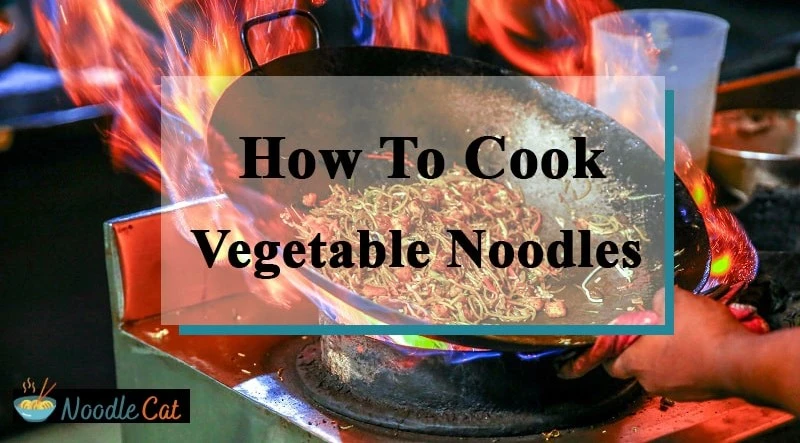
Vegetable noodles have moved well beyond a niche diet trend. They show up in stir-fries, soups, cold salads, and even baked casseroles. The beauty is in their versatility — almost any firm vegetable can become a noodle with the right tool. And unlike traditional pasta noodles, veggie noodles cook in a fraction of the time, making weeknight dinners faster and fresher.
This guide covers everything from choosing the right vegetables to mastering different cooking techniques, along with storage tips and common mistakes our team has learned to avoid.
Contents
Vegetable noodles are exactly what they sound like — vegetables cut into long, thin strips that mimic the shape and feel of pasta. They can be made with a spiralizer (a handheld or countertop tool that turns firm produce into curly strands), a julienne peeler, or even a regular knife. The concept has been around for centuries in various Asian cuisines, but it gained mainstream popularity as more people started looking for lower-carb and gluten-free alternatives to wheat-based noodles.
A spiralizer is the fastest way to produce uniform veggie noodles. There are three common types:
For anyone without a spiralizer, a standard vegetable peeler creates wide, flat noodles (similar to pappardelle), and a sharp knife can produce thin matchstick cuts. The shape affects cooking time — thinner noodles cook faster and absorb more sauce.
One of the biggest draws of vegetable noodles is the nutritional profile. A cup of zucchini noodles has roughly 20 calories compared to about 200 calories for the same amount of cooked spaghetti. According to the USDA, most Americans fall short on recommended vegetable intake, so swapping in veggie noodles — even partially — helps close that gap. They're also naturally gluten-free and packed with fiber, vitamins, and water content that keeps meals filling without the heaviness.
Zucchini is the most popular choice, and for good reason. It spiralizes easily, cooks in two to three minutes, and has a mild flavor that works with almost any sauce. Our team finds that medium-sized zucchini work best — large ones tend to be watery and seedy. The biggest mistake most people make is overcooking zoodles. They should still have a slight bite when done.
Beyond zucchini, several other vegetables make excellent noodles:
Understanding how noodles are made — both traditional and vegetable-based — helps explain why different vegetables behave differently when cooked. Starch content, water content, and fiber structure all play a role.
There are three main methods for cooking vegetable noodles, and the best one depends on the vegetable and the dish. Here's a comparison of the most common approaches:
| Method | Best For | Cook Time | Texture Result | Difficulty |
|---|---|---|---|---|
| Sauté | Zucchini, squash, carrot | 2–5 min | Tender with slight bite | Easy |
| Boil | Sweet potato, beet | 3–7 min | Soft, pasta-like | Easy |
| Steam | Any variety | 3–5 min | Gentle, retains nutrients | Easy |
| Raw | Zucchini, cucumber, carrot | 0 min | Crunchy, fresh | Easiest |
| Bake | Sweet potato, butternut squash | 15–20 min | Caramelized edges | Moderate |
Sautéing is the most popular method and produces the best results for most vegetables. Here's how our team does it:
Pro tip: Salt draws moisture out of vegetables. For the best texture, season veggie noodles right at the end of cooking rather than at the beginning — this prevents them from turning soggy in the pan.
The entire process takes about five minutes from start to finish. It's even faster than boiling traditional pasta, which is part of the appeal for busy weeknights.
Boiling works best for denser vegetables like sweet potato and beet noodles. Bring a pot of salted water to a rolling boil, add the noodles, and cook for 3–7 minutes depending on thickness. The key is checking early and often — overcooked veggie noodles fall apart quickly.
Steaming is gentler and preserves more nutrients. Place noodles in a steamer basket over simmering water for 3–5 minutes. This method works especially well when the noodles will be tossed with a heavy sauce, since they won't absorb extra water.
Some vegetables taste great raw. Zucchini, cucumber, and carrot noodles can be tossed directly with dressing for a cold noodle salad. Our team likes marinating raw zoodles in lemon juice and olive oil for about 15 minutes before serving — the acid softens them slightly without any heat. This approach is especially refreshing in warmer months.
Vegetable noodles work beautifully in certain contexts:
Not every recipe benefits from the swap. Heavily baked dishes like lasagna don't work well because the extended heat turns veggie noodles to mush. Rich, cream-heavy sauces can also overwhelm the delicate texture. And any recipe that depends on pasta's starchy water for sauce thickening — like cacio e pepe — will fall flat with vegetable noodles since they release water instead of starch.
Our team has also found that veggie noodles don't hold up in slow cooker recipes. The low-and-slow environment breaks them down completely.
Every ingredient has trade-offs. Here's an honest look at what vegetable noodles bring to the table — and where they fall short.
Benefits:
Drawbacks:
A balanced approach often works best. Mixing half vegetable noodles with half regular pasta gives the nutritional boost while keeping a familiar texture. This is especially helpful for households where not everyone is on board with a full swap.
Raw vegetable noodles store well in the refrigerator for 3–5 days when kept properly. The trick is moisture control. After spiralizing, lay the noodles on a paper towel, pat them dry, and store them in an airtight container lined with another paper towel. This absorbs excess moisture and prevents the slimy texture that ruins prepped vegetables.
Cooked vegetable noodles are a different story. They release water as they sit, so our team recommends cooking them fresh whenever possible. If leftovers are unavoidable, store them separately from sauce and reheat quickly in a hot pan rather than the microwave.
For anyone doing weekly meal prep, vegetable noodles fit in nicely with a bit of planning:
After prepping, don't forget to clean the food processor or spiralizer thoroughly. Dried vegetable fibers become stubborn if left overnight, especially in blade crevices. An organized kitchen setup where prep tools have a dedicated spot makes the whole process smoother and more repeatable.
Vegetable noodles are one of the simplest upgrades anyone can make in the kitchen — quick to prepare, endlessly adaptable, and a genuinely easy way to eat more vegetables without overhauling an entire diet. Our team's suggestion is to start with zucchini noodles and a basic garlic-olive oil sauté this week, then branch out to sweet potato or carrot noodles once the technique feels natural. Grab a spiralizer, pick a vegetable, and give it a try tonight.
 |
 |
 |
 |

About Christopher Jones
Christopher Jones holds an MBA from the University of San Francisco and brings a business-minded approach to kitchen gear evaluation — assessing products not just for performance but for long-term value, build quality, and real-world usability in everyday home cooking. He has spent years testing appliances, cookware, and kitchen gadgets with the same analytical rigor he developed in business school. At BuyKitchenStuff, he covers kitchen appliance reviews, buying guides, and practical cooking tips.
Check for FREE Gifts. Or get our Free Cookbooks right now.
Disable the Ad Block to reveal all the recipes. Once done that, click on any button below
|
|
|
|
