by Rick Goldman
The difference between chili powder vs cayenne pepper comes down to one thing: chili powder is a blend of spices, while cayenne pepper is a single ground chile. That distinction changes everything about how they taste, how hot they are, and when you should reach for one over the other. If you've ever accidentally swapped them and ended up with a dish that was either bland or volcanic, you already know why this matters. Whether you're building a spice collection from scratch or just trying to nail your next batch of chili, understanding these two staples will save you a lot of kitchen headaches.
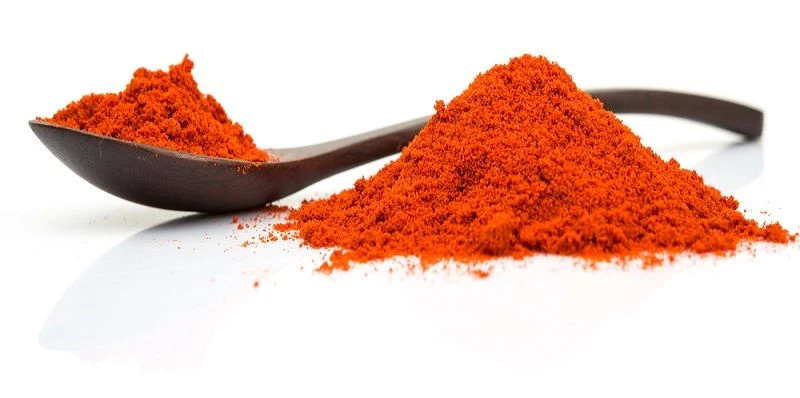
Cayenne pepper is made from dried, ground cayenne chile peppers — nothing else. It brings pure, direct heat. Chili powder, on the other hand, typically combines ground chiles (often ancho) with cumin, garlic powder, oregano, and sometimes paprika or onion powder. That blend gives it a rounder, more complex flavor profile but significantly less punch per teaspoon.
Both deserve a permanent spot in your pantry, but they're not interchangeable. The sections below break down exactly how they compare, when to use each one, and how to substitute in a pinch without ruining your recipe.
Contents
Cayenne pepper contains exactly one ingredient: ground cayenne chile peppers. That's it. The peppers are dried, seeds and all, then ground into a fine red powder. What you get is concentrated heat with a slightly fruity, peppery undertone.
Chili powder is a spice blend, and the exact recipe varies by brand. Most versions include:
Because of those added spices, chili powder brings a savory, earthy complexity that cayenne simply doesn't have. It's seasoning and heat in one jar. Cayenne is pure firepower.
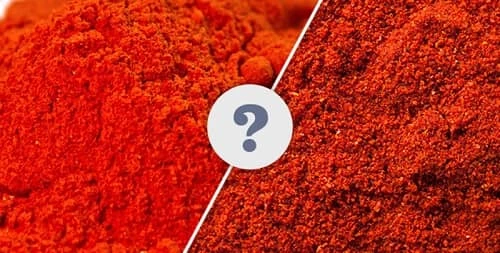
The Scoville scale measures capsaicin concentration — the compound that makes peppers hot. Here's how these two compare:
| Attribute | Chili Powder | Cayenne Pepper |
|---|---|---|
| Type | Spice blend | Single ground chile |
| Scoville Heat Units (SHU) | 500–1,500 | 30,000–50,000 |
| Primary Flavor | Earthy, savory, warm | Sharp, bright heat |
| Color | Dark reddish-brown | Bright red-orange |
| Contains Cumin | Yes (usually) | No |
| Contains Garlic | Yes (usually) | No |
| Best For | Chili, tacos, rubs | Hot sauces, stir-fry, marinades |
| Substitution Ratio | 1 tsp chili powder ≈ ¼ tsp cayenne + spices | ¼ tsp cayenne ≈ 1 tsp chili powder |
That gap is massive. Cayenne is roughly 20–30 times hotter than most chili powders. A teaspoon-for-teaspoon swap will either leave your dish flat or set your mouth on fire, depending on which direction you go.
Chili powder works best as a foundational seasoning — the kind you add by the tablespoon early in cooking. Its blend of spices means it can do a lot of heavy lifting on its own. You'll want it for:
Because chili powder already contains cumin and garlic, adding it to a recipe often means you can skip those individual spices. That's especially handy when you're making something quick like reheated chicken breast that needs a fast flavor boost — just dust some chili powder on before warming it up.
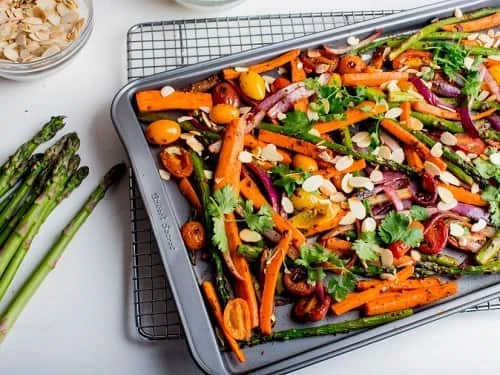
Cayenne is a finishing spice and a heat amplifier. You use it in small amounts, and you add it when you want heat without changing the existing flavor profile. It works well in:
A pinch of cayenne in homemade garlic sauce transforms it from mild to memorable. That's the power of a pure chile — it slides into any cuisine without dragging cumin or oregano along with it.
You measured wrong, or you forgot that cayenne isn't chili powder. It happens. Here's how to pull your dish back from the edge:

The key is to act fast. Capsaicin bonds with fats and oils during cooking, so the longer your dish simmers after the mistake, the harder it becomes to fix.
If your dish tastes flat, resist the urge to dump in more spice all at once. Instead:
Building heat gradually gives you control. You can always add more, but you can't take it away.
This is the trickier direction. Since chili powder is a blend, replacing it with cayenne alone will leave your dish one-dimensional and dangerously hot. If a recipe calls for 1 tablespoon of chili powder, use this formula instead:
This DIY blend mimics what you'd get from a jar of chili powder. Adjust the cayenne up or down depending on your heat tolerance. If you enjoy experimenting with ingredient swaps, you might also find it useful to know your options for baking powder substitutes — the same mindset applies.
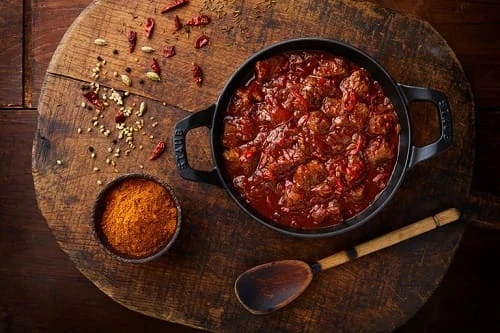
Going this direction is safer but requires more volume. If a recipe asks for ½ teaspoon of cayenne, you'll need approximately 2 teaspoons of chili powder to get comparable heat. Keep in mind that you're also adding cumin, garlic, and oregano to the dish, so this swap works best in recipes where those flavors are welcome — think stews, soups, and braises.
For dishes where those extra flavors would be out of place (like a spicy air fryer pakora), chili powder isn't a great stand-in. You're better off using crushed red pepper flakes or paprika mixed with a tiny pinch of ground black pepper.
This is the most widespread misconception, and it's the reason so many recipes go sideways. People see two red powders sitting next to each other on the spice rack and assume they're interchangeable. They're not. Chili powder is a seasoning blend designed to flavor an entire dish. Cayenne is a single-ingredient heat source. Swapping equal amounts will either make your food taste like unseasoned fire or leave it mild and oddly cumin-heavy.
The confusion partly comes from regional naming. In some countries, "chilli powder" (with two L's) refers to pure ground chiles — closer to cayenne than to American chili powder. If you're following an international recipe, check whether the author means a blend or a single-chile powder.
You'll find claims online that cayenne is a superfood while chili powder is nutritionally empty, or vice versa. The truth is more boring. Both contain capsaicin, which has documented anti-inflammatory properties. Cayenne has more capsaicin per gram because it's undiluted, but you also use far less of it per serving.
In practical terms, the health difference is negligible at the amounts you actually cook with. You'd need to consume tablespoons daily to see measurable effects from either one. Focus on which spice makes your food taste better — that's what keeps you cooking at home instead of ordering takeout, and cooking at home is the real health win.

Ground spices don't spoil in a way that makes you sick, but they absolutely lose potency. Both chili powder and cayenne pepper start fading after about six months once opened. By the one-year mark, you're mostly adding color and habit to your food — not flavor or heat.
Here's how to test if your spices are still good:
Buying in smaller quantities means you use them up faster and always cook with potent spices. It also helps you reduce food waste — there's no point in keeping a giant jar that goes stale before you're halfway through it.
Where and how you store your spices matters more than most people realize. Follow these guidelines to maximize shelf life:
If you're putting effort into organizing your kitchen, dedicate a drawer or cabinet section specifically to your most-used spices. Keeping chili powder and cayenne visible and accessible means you'll actually use them before they fade.
Absolutely. This is actually one of the best approaches for building layered heat. Use chili powder as your base seasoning for its cumin-garlic-oregano complexity, then add small amounts of cayenne to dial the heat up to your preferred level. Many competition chili recipes use this exact strategy.
Chili powder is generally the better choice for rubs because it's already a balanced blend. It gives you flavor and mild heat in one ingredient, which means fewer jars on the counter. If you want a spicier rub, start with chili powder as the base and add cayenne in small increments — typically ¼ to ½ teaspoon per tablespoon of chili powder.
Not exactly. Red pepper flakes (also called crushed red pepper) are made from a variety of dried chiles, often including cayenne, and they include the seeds. The texture is completely different — flakes versus fine powder — and the heat level can vary more with flakes since the chile blend isn't standardized. Cayenne powder delivers more consistent, predictable heat.
Because there's no universal recipe for chili powder. Each manufacturer uses different ratios of chiles to cumin to garlic, and some add ingredients like paprika, coriander, or salt that others leave out. If you find a brand you like, stick with it for consistency. Or make your own blend at home so you control exactly what goes in.
Now that you know the real difference between chili powder and cayenne pepper, put that knowledge to work. Grab both from your spice cabinet, check whether they still smell potent, and try using them together in your next batch of chili or taco seasoning. Start with chili powder for your flavor base, then layer in cayenne a pinch at a time until you hit the heat level that makes you happy. Once you get comfortable with how these two play together, you'll have more control over your cooking than any single recipe can teach you.
 |
 |
 |
 |

About Rick Goldman
Rick Goldman grew up traveling the Pacific Coast and developed an early appreciation for regional and international cuisines through exposure to diverse food cultures from a young age. That culinary curiosity shaped his approach to kitchen gear — he evaluates tools based on how well they perform across different cooking styles, ingredient types, and meal occasions. At BuyKitchenStuff, he covers kitchen equipment reviews, recipe guides, and food-focused buying advice.
Check for FREE Gifts. Or get our Free Cookbooks right now.
Disable the Ad Block to reveal all the recipes. Once done that, click on any button below
|
|
|
|
