by Rick Goldman
Potassium nitrate has been documented in food preservation contexts for more than 2,500 years, yet a remarkable number of home cooks today remain uncertain about where to buy saltpeter. Whether you are curing meats at home, following a traditional recipe passed through generations, or stocking your kitchen supplies shelf with less common culinary ingredients, knowing the right sources — and the right product form — will save you considerable time and frustration. The market for saltpeter spans online retailers, brick-and-mortar stores, farm supply chains, and specialty shops, each with distinct advantages depending on your timeline and intended use.
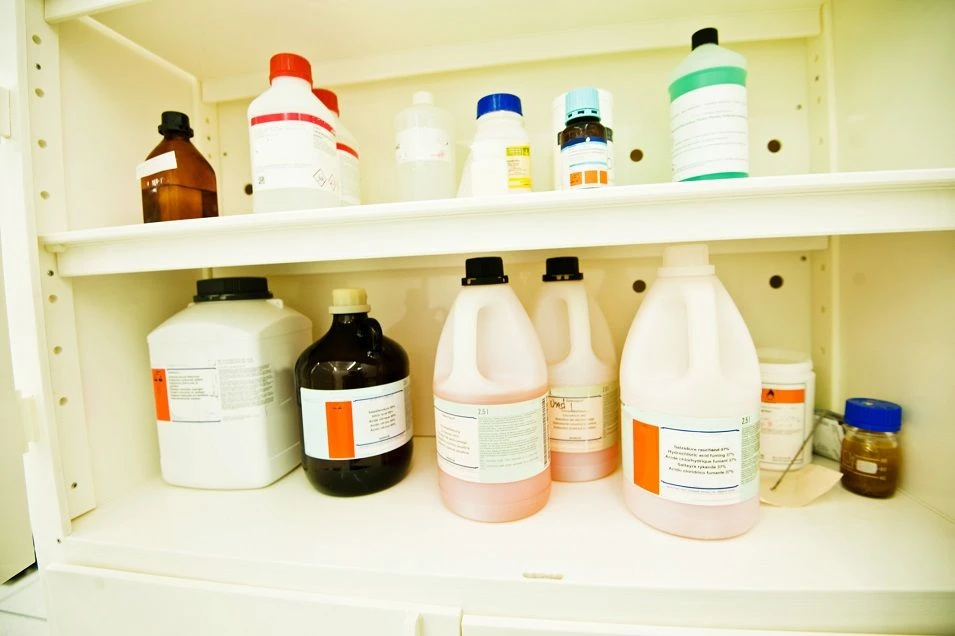
Saltpeter is the common name for potassium nitrate (KNO₃), a naturally occurring mineral salt with centuries of documented use in culinary preservation. Its primary culinary role is as a curing agent for meats such as corned beef, pastrami, and traditional charcuterie, where it inhibits bacterial growth — most critically, the Clostridium botulinum bacteria responsible for botulism. You may also encounter sodium nitrate, a chemically related compound sometimes sold in similar retail contexts; understanding the distinction between the two matters when you are selecting a product for a specific recipe, as the two are not universally interchangeable.
This guide examines every realistic source for saltpeter available to the home cook and culinary enthusiast. It evaluates the practical advantages and limitations of each channel, addresses the most common concerns about legality and safety, and provides a structured framework for comparing prices and quantities. The goal is to equip you with the information needed to make a confident, well-informed purchase regardless of your location or budget.
Contents
Few kitchen ingredients carry as much unwarranted controversy as potassium nitrate. Before you begin searching for where to buy saltpeter, it is worth addressing the most persistent misconceptions that discourage home cooks from using it at all. Understanding the factual record will help you approach both sourcing and usage with appropriate confidence — and appropriate caution.
The most common concern involves safety. Potassium nitrate is, in concentrated industrial forms, a component of fertilizers and certain pyrotechnic compounds. This dual-use nature leads many people to assume that the culinary grade is dangerous or that its use in food preparation carries serious health risks. The reality is more measured. According to the Wikipedia article on potassium nitrate, the compound has been used in food curing for centuries and remains approved as a food additive across numerous regulatory frameworks, including the European Union, where it is listed as additive E252. In the United States, the Food and Drug Administration classifies potassium nitrate as generally recognized as safe (GRAS) when used within prescribed concentration limits.
The critical qualifier is "within prescribed limits." Saltpeter is not a seasoning to be used freely or approximated by eye. Traditional curing recipes call for very small quantities — typically fractions of a teaspoon per pound of meat. At these concentrations, the compound performs its preservation function effectively and poses no meaningful health risk to the consumer. The concerns that circulate online tend to conflate industrial quantities with culinary quantities, which is a significant and misleading conflation that should not discourage informed home cooks.

A second misconception involves legality. Some home cooks assume that saltpeter is heavily restricted or outright illegal for private purchase. In the United States, potassium nitrate is legal to purchase and possess for food-grade and agricultural purposes. However, many retailers have grown more selective about stocking it openly, which means the compound is not universally available on every grocery store shelf. This caution reflects liability considerations on the part of retailers — not a blanket legal prohibition on consumer purchase.
The practical consequence for you as a buyer is that your local supermarket may not carry it. That limitation, however, does not reflect the full breadth of available sourcing channels. The range of options is broader than most people expect, and identifying the right channel for your specific needs — whether a small quantity for a single curing project or a more substantial supply for ongoing use — is precisely what this guide addresses.
The question of where to buy saltpeter has several distinct answers depending on your timeline, location, and intended quantity. Some sources offer immediate access; others require planning. The following breakdown covers the most reliable channels available to consumers, ranked by ease of access for first-time buyers.
Online retailers represent the most consistent and broadly accessible source for food-grade potassium nitrate. Major platforms carry multiple listings from specialty food and brewing suppliers, typically in quantities ranging from four ounces to five pounds. Dedicated homebrew and fermentation supply websites — oriented toward sausage makers, charcuterie enthusiasts, and home brewers — stock saltpeter alongside complementary curing salts, casings, and preparation equipment. These specialty retailers often provide more detailed product documentation, including purity specifications and usage instructions, which carries particular value for first-time buyers who want to verify what they are purchasing before it arrives.
Purchasing online gives you the widest product selection and the clearest labeling standards. Shipping times vary, but most major suppliers deliver within two to five business days on standard orders. If you are planning a curing project that requires lead time — a whole ham cure, for instance, needs several weeks in the brine regardless — the shipping window is rarely a limiting factor. Prioritize sellers who explicitly label their product as "food-grade" and who provide a purity percentage in the product description.
For buyers who need immediate access, several categories of physical retail stores carry potassium nitrate. Farm and agricultural supply chains frequently stock it in their garden or fertilizer departments, typically in larger quantities oriented toward soil amendment rather than culinary use. While these products are chemically the same compound, you must verify purity levels and the absence of additives before using any agricultural-grade material in food preparation — some formulations include anti-caking agents or other compounds that render them unsuitable for the kitchen.
Specialty grocery stores, international food markets, and stores serving Latin American or Eastern European communities sometimes carry saltpeter in their spice or curing aisles, often sold under the Spanish name "salitre" or the French "salpêtre." These retail environments typically stock small, food-appropriate quantities. Independent pharmacies represent another traditional source — historically, potassium nitrate was stocked in pharmacy dispensaries for various purposes. Most large chain pharmacies have discontinued this practice, but independent pharmacies in some regions still carry USP-grade material upon request, which is among the purest forms available to consumers.
Price comparisons for saltpeter require some care because the compound is sold across a wide range of quantities, purity levels, and quality tiers. Understanding what you are actually comparing — and how much product you genuinely need for your application — will prevent both overspending and under-purchasing on your first order.
The table below summarizes typical price ranges across the major sourcing channels. These figures reflect general market conditions in the United States and will vary by region, individual supplier, and current demand. Food-grade and USP-grade certifications generally command a per-ounce premium compared to agricultural-grade products.
| Source | Typical Quantity | Approximate Price | Est. Price Per Oz | Food-Grade Available |
|---|---|---|---|---|
| Online Specialty Retailers | 4 oz – 5 lb | $5 – $35 | $0.45 – $1.25 | Yes — verify listing |
| Online General Marketplaces | 4 oz – 2 lb | $7 – $28 | $0.55 – $1.75 | Yes — verify seller |
| Farm / Agricultural Supply Stores | 1 lb – 50 lb | $8 – $60 | $0.10 – $0.50 | Agricultural grade only |
| Specialty Grocery / International Markets | 2 oz – 8 oz | $4 – $12 | $0.50 – $1.50 | Usually food-appropriate |
| Independent Pharmacies | 1 oz – 4 oz | $3 – $10 | $0.75 – $2.50 | Yes — USP grade |
Pharmacy-grade potassium nitrate — labeled USP grade — carries the highest purity standard and is well-suited for any food application, though it is sold in the smallest quantities at the highest per-ounce cost. For ongoing or larger-scale curing projects, online specialty retailers generally offer the strongest combination of price, available quantity, and clear certification documentation.
For the majority of home curing projects, the required quantity is genuinely small. A standard corned beef brisket recipe calls for no more than one teaspoon of saltpeter for a three to five pound piece of meat. Even frequent home curers rarely exhaust more than a few ounces per year. This practical reality means that a four-ounce purchase from an online retailer is likely sufficient for a full year of moderate curing activity, making the per-ounce price a less decisive factor than it might first appear. Buy conservatively for a first project, evaluate the product, and scale up only when you have confirmed the source meets your standards.

Understanding the practical applications of saltpeter will help you determine not only where to source it but which form and quantity genuinely fits your needs. The compound appears in a narrower range of culinary contexts than many people assume, which makes purchasing decisions relatively straightforward once you have identified your intended use.
The dominant culinary application for saltpeter is the curing of red meats. Corned beef, pastrami, dry-cured ham, and certain styles of salami and artisan sausage have all historically relied on potassium nitrate as a preservation agent. The curing process combines salt, nitrate, and in many recipes sugar, working together to draw moisture from the meat, inhibit bacterial activity, and develop the characteristic pink color associated with cured products. If you enjoy slow-cooked preparations such as honey BBQ pulled pork and want to expand further into traditional pork preservation methods, saltpeter is a natural next step in developing your skill set as a home cook.
It is important to note that modern commercial curing frequently substitutes sodium nitrite — sold as "Prague Powder No. 1" or "pink curing salt" — for potassium nitrate. Sodium nitrite acts more rapidly and is considered easier to control at the small scales typical of home curing. Potassium nitrate converts to nitrite more gradually within the meat, making it better suited to long-cure products such as dry-cured whole hams and aged sausages. If your recipe specifically calls for saltpeter, that specification is intentional and should not be casually substituted without understanding the implications for cure time and final texture.
Beyond meat curing, saltpeter appears in certain traditional pickling brines, particularly in older European and American recipes for preserved vegetables, where its function is primarily antimicrobial and color-stabilizing. If you enjoy preservation projects across a range of food categories — from cured meats to preserved fruits, such as making strawberry fruit leather in a food dehydrator — exploring brine-based preservation with saltpeter can meaningfully extend your repertoire.
Artisan cheesemakers also use small quantities of potassium nitrate to prevent unwanted bacterial fermentation in aged cheeses, a practice rooted in European farmhouse traditions that predates modern refrigeration. These specialty applications represent a smaller share of consumer demand for the compound, but they illustrate the breadth of its culinary relevance beyond meat curing alone. Understanding this full scope of use will help you contextualize the sourcing options available and select the product format most appropriate for your specific application.

With multiple sourcing channels available, the decision of where to buy saltpeter ultimately comes down to a set of practical trade-offs. The right choice depends on your timeline, the quantity you need, your proximity to physical retail options, and the weight you place on product documentation and certification standards.
Online retailers lead on selection and documentation but require advance planning due to shipping timelines. Local farm supply stores offer immediate availability and very low per-ounce pricing, but they typically sell in quantities far exceeding what a home cook needs, and the agricultural-grade designation requires additional verification before any culinary use. International grocery markets occupy a practical middle ground: convenient for buyers in urban areas, moderately priced, and usually stocked in food-appropriate quantities without the need for special verification.
If you are approaching saltpeter for the first time and want to minimize risk, an online specialty retailer is the most straightforward path. The product arrives with explicit food-grade labeling, in a quantity suited to a home kitchen, and typically includes basic usage guidance. For experienced curers who understand the compound and are comfortable evaluating agricultural-grade material, the farm supply route offers meaningful cost savings at scale. Just as investing in quality tools — such as those reviewed in the best butcher knife guide — pays dividends over time, sourcing quality curing agents from verified channels protects both the outcome of your recipe and your investment in premium cuts of meat.
Purity is the most consequential variable when comparing sources. Food-grade potassium nitrate is typically 99% or higher in purity, with rigorous limits on heavy metals and other contaminants. Agricultural-grade products vary more widely, and some formulations include anti-caking additives that make them unsuitable for food preparation without further investigation. USP-grade material from a pharmacy represents the highest available purity tier for consumer purchase, though it comes at the highest per-ounce cost and in the smallest available quantities.
When reviewing any product listing — whether on an online platform or in a physical store — look for explicit purity statements, food-grade certifications, and clear identification of the active ingredient as potassium nitrate (KNO₃). Avoid any product that lists additional ingredients without clear documentation of their identity and purpose. For a first purchase, a smaller quantity at a modestly higher per-ounce cost from a well-documented source is a more prudent choice than a large quantity of ambiguously labeled material, regardless of the apparent savings.

Yes. Potassium nitrate is legal to purchase and possess for food-grade, agricultural, and general consumer purposes in the United States. Retailers have become more selective about stocking it openly due to liability considerations, but there is no federal prohibition on purchasing saltpeter for home use. Some states may have additional regulations worth confirming locally, but for the vast majority of buyers, purchasing saltpeter online or from a farm supply store involves no legal complications.
Saltpeter is potassium nitrate (KNO₃), while pink curing salt — sold as Prague Powder No. 1 or No. 2 — contains sodium nitrite or a combination of sodium nitrite and sodium nitrate, mixed with regular salt and dyed pink for identification. Sodium nitrite acts more quickly within the meat and is the standard choice for short-cure products. Potassium nitrate converts to nitrite more slowly and is better suited to long-cure preparations such as dry-cured whole hams. The two are not universally interchangeable; always follow the specification in your recipe.
Theoretically, potassium nitrate is the same compound regardless of grade, but agricultural formulations may include anti-caking agents, colorants, or other additives that are not suitable for consumption. Before using any agricultural-grade product in a food application, you must obtain and review the product's full ingredient list and safety data sheet. In most cases, the additional verification effort and the uncertainty it leaves make food-grade or USP-grade material from a verified source the more practical choice for kitchen use.
Specialty grocery stores serving Latin American, Eastern European, or South Asian communities are often the most accessible local source, as they commonly stock saltpeter in their spice or curing ingredient sections under names such as "salitre" or "salpêtre." Farm and agricultural supply stores are another option for immediate availability, though the product sold there is typically agricultural grade and requires verification before culinary use. Independent pharmacies in some regions also carry USP-grade potassium nitrate upon request.
Most traditional home curing recipes call for very small quantities of saltpeter — commonly between half a teaspoon and one teaspoon per three to five pounds of meat. A four-ounce purchase is generally sufficient for multiple curing projects spread over a year or more of regular home use. Because the quantities involved are so small, precision in measuring is more important than the size of your purchase. A reliable kitchen scale or calibrated measuring spoons are essential when working with curing agents.
Potassium nitrate is a highly stable compound and does not degrade meaningfully over time when stored correctly. It should be kept in a sealed, airtight container away from moisture and direct heat. Clumping due to humidity absorption is the most common storage issue, but it does not indicate chemical degradation — the compound can be broken up and used as normal. For practical purposes, a properly stored supply of saltpeter purchased today will remain effective for many years.
No. Potassium nitrate (KNO₃) and sodium nitrate (NaNO₃) are distinct compounds that share functional similarities but are not identical. Both are used in curing applications, and both ultimately convert to nitrite within the meat, which is the active preservation agent. However, they differ in the rate of that conversion, in their relative solubility, and in the specific recipes and traditions that call for each. Some older recipes that specify "saltpeter" may mean either compound; modern recipes generally distinguish between the two explicitly. Confirm your recipe's specification before purchasing.
 |
 |
 |
 |

About Rick Goldman
Rick Goldman grew up traveling the Pacific Coast and developed an early appreciation for regional and international cuisines through exposure to diverse food cultures from a young age. That culinary curiosity shaped his approach to kitchen gear — he evaluates tools based on how well they perform across different cooking styles, ingredient types, and meal occasions. At BuyKitchenStuff, he covers kitchen equipment reviews, recipe guides, and food-focused buying advice.
Check for FREE Gifts. Or get our Free Cookbooks right now.
Disable the Ad Block to reveal all the recipes. Once done that, click on any button below
|
|
|
|
