by Christopher Jones
Stick to soft, cold, or lukewarm foods for the first 24 to 72 hours after wisdom teeth removal — that's the direct answer. The extraction sites are raw, swollen, and actively forming blood clots that protect exposed bone and nerves. Knowing what to eat after wisdom teeth removal protects those clots, reduces discomfort, and moves your recovery in the right direction from the very first meal.

Your kitchen becomes your recovery headquarters the moment you're home from the procedure. The foods you stock and prepare before surgery day determine how comfortable — or miserable — the days that follow will be. You don't need a complicated plan, just a smart one. The right choices reduce swelling, minimize pain, and support tissue repair. The wrong ones can trigger dry socket, introduce bacteria, or send you back to the dentist with a preventable complication.
This guide walks you through the full recovery arc: why your diet during this period matters more than you might think, how your eating should evolve from day one to day seven, and exactly which foods to keep in your kitchen. For more guides on eating well during recovery and beyond, browse our health and nutrition articles. And if you're looking for the right kitchen tools to make soft-food cooking easier, this guide on multi food processor vs. standard food processor will help you choose the right appliance for the job.
Contents
After a wisdom tooth extraction, your mouth is healing an open wound. The socket where the tooth sat needs to form a blood clot, and that clot is everything during the early stages of recovery. It covers exposed bone and nerve tissue, shielding them from air, bacteria, and food debris while new gum tissue grows in from the edges. Lose that clot prematurely and you're facing dry socket — a painful condition where bare bone is left exposed, causing severe radiating pain that can persist for days and requires another visit to the dentist to treat.
Diet is your primary line of defense against that outcome. Hard, crunchy, or chewy foods can physically dislodge a clot. Spicy or acidic foods irritate the surgical site and slow tissue repair. Foods with small particles — seeds, grains, rice — can lodge in the socket and introduce the kind of bacteria that leads to infection. According to the National Institute of Dental and Craniofacial Research, following proper post-surgical care protocols dramatically reduces the risk of complications after oral procedures.

Temperature plays a bigger role than most people expect. Very hot foods and drinks increase blood flow to the extraction area, which can destabilize clot formation and intensify swelling. Cold foods, on the other hand, have a gentle numbing effect and actively help reduce inflammation. That's part of why ice cream earns a legitimate spot on the approved list — it's doing real therapeutic work, not just tasting good.
Nutrition during recovery also affects how quickly your body heals. Your immune system, your tissue repair mechanisms, and your inflammatory response are all running simultaneously in the days after surgery. Getting enough protein, vitamins, and calories — even through soft foods — keeps those processes moving efficiently. Skipping meals or eating too little extends your discomfort and slows healing unnecessarily.
Pro tip: The blood clot in your extraction socket is at its most fragile during the first 72 hours. Treat everything you eat in that window as a potential threat to it — soft texture, lukewarm temperature, and absolutely no straws.
Recovery from wisdom tooth removal isn't a static state — it progresses, and your diet should progress with it. What works on day one is different from what your mouth can handle by day five. Understanding this timeline helps you plan meals without guessing and lets you expand your options as healing allows.
This is the most restrictive period. Stick exclusively to cold or room-temperature liquids and foods that require zero chewing. Smoothies, cold broth sipped from a cup (no straw), applesauce, pudding, and gelatin are your core options. Avoid anything warm — heat increases circulation to the area and can soften or dislodge the forming clot. Do not use straws under any circumstances. The suction pressure they generate inside your mouth is enough to pull the clot clean out of the socket, which is precisely how dry socket happens.

Swelling typically peaks around the second day and then begins to recede gradually. You can start introducing soft, mashed foods that require minimal bite pressure. Mashed potatoes, scrambled eggs, soft tofu, plain yogurt, and oatmeal cooked to a porridge-like consistency all work well at this stage. You're still avoiding anything that requires significant chewing or could leave fragments behind in the socket. Think of your back teeth as completely off-duty — all eating happens at the front, carefully.
By day five, most people feel meaningfully better. The socket is more stable, swelling has reduced, and you can cautiously expand to slightly firmer soft foods. Soft pasta, well-cooked fish that flakes easily, ripe bananas, and soft bread without the crust are reasonable additions. Still avoid anything requiring real chewing force or anything that could leave particles in the socket. And still avoid chewing on the extraction side — healing continues beneath the surface even when the visible discomfort has faded.
The best time to stock your kitchen is before your procedure, not after it. Once you're home from the dentist with gauze in your mouth, a numb jaw, and a prescription in your hand, the last thing you want to do is figure out what to eat. Prepare at least two to three days' worth of recovery foods in advance. An afternoon of grocery shopping and light meal prep will pay off significantly.
Your pre-surgery shopping list should prioritize these recovery staples:
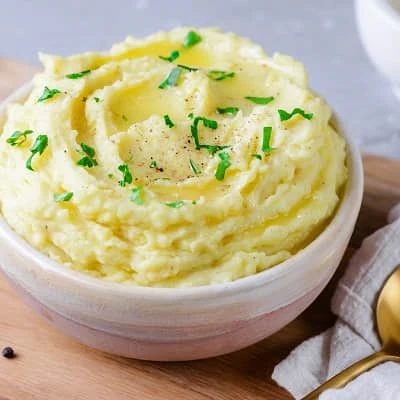
Kitchen equipment matters as much as what's in your pantry. A powerful blender is practically essential for recovery cooking — it transforms ordinary ingredients into smooth, nutrition-dense meals that require no chewing at all. Store your recovery foods at eye level in the fridge so you can grab them without hunting. Pre-portion your mashed potatoes or pureed soups into single-serving containers so you can heat and eat without any real prep work on the worst days.
Kitchen tip: Make a large batch of mashed potatoes the night before your surgery. Portion them into containers, refrigerate, and reheat individual servings throughout recovery — no prep, no mess, just food when you need it.
Recovery food doesn't have to be depressing. With the right techniques, you can eat actual meals during your healing week — not just survive on yogurt cups and pudding. The secret is treating your blender and stovetop as recovery tools, not just cooking appliances.
Your blender is the most valuable piece of kitchen equipment you own during wisdom tooth recovery. Smoothies are the obvious application, but the blender can do significantly more. Blend cooked sweet potatoes with butter and broth for a thick, savory soup that's filling and genuinely satisfying. Puree cooked white beans with olive oil and a small amount of garlic (once you're past day three) for something protein-rich and hearty. Add unflavored protein powder to fruit smoothies to hit your nutritional needs without requiring any chewing at all.

Avoid seeds and small-grain add-ins like chia seeds, flaxseeds, or hemp hearts during the first week. They are precisely the size and shape that lodge in extraction sockets and cause problems. Blend everything until completely smooth — no detectable texture, no pieces.
Slow, low-heat cooking softens vegetables and proteins to the point where they require almost no pressure to eat. A crockpot or Dutch oven full of soup practically cooks itself into recovery-ready food. If you want a specific recipe to start with, this easy crockpot potato soup with frozen hash browns is soft, filling, satisfying, and requires almost no active cooking — exactly what you want when you're not feeling your best.
Scrambled eggs cooked low and slow in butter are soft, protein-rich, and ready in five minutes. Soft polenta made with broth instead of water is flavorful and filling. Ramen noodles cooked far past the package time, served in a rich broth, feel like a real meal. Season your soft foods properly — mild herbs, butter, a small amount of olive oil. Just avoid pepper and anything spicy for the first few days, as these can irritate the surgical site.

Here's the practical list — the foods that consistently work well at each stage of recovery, and why each one earns its place.
Ice cream is practically prescription-strength comfort food after wisdom tooth removal. The cold reduces localized inflammation and provides temporary numbing relief to sore tissue. Stick to plain flavors without mix-ins — no nuts, no cookie pieces, no swirls with crunchy bits. Soft-serve is ideal because it melts at a lower temperature and requires even less pressure to eat.

Smoothies deliver serious nutrition in a zero-chew format. Blend yogurt, frozen fruit, a ripe banana, and a scoop of protein powder for a meal replacement that keeps you full and fueled for hours. Eat with a small spoon instead of a straw — the no-straw rule applies for the entire first week, no exceptions.
Applesauce works at every stage of recovery without modification. It's sweet, easy to eat, requires no preparation if you buy it pre-made, and provides a small amount of fiber and vitamins. Choose unsweetened varieties — the sugar in sweetened applesauce can irritate sensitive tissue and isn't necessary. Individual cups are the most convenient format during recovery.
Plain yogurt is one of the most nutritionally valuable recovery foods available. It's cold, smooth, rich in protein, and loaded with probiotics that support immune function — which matters if your dentist prescribed antibiotics after the procedure. Full-fat Greek yogurt provides the most nutritional density per spoonful and keeps you satisfied longer than regular yogurt.

Broth-based soups are ideal from day two onward, served at a gentle lukewarm temperature — not hot. Chicken broth provides electrolytes and a modest amount of protein. Pureed vegetable soups — butternut squash, tomato, sweet potato — are more nutritious and surprisingly filling. Test the temperature on your wrist before eating. If it feels warm, let it cool further.
Mashed potatoes are calorie-dense, filling, and easy to customize with butter, cream, and mild seasonings. They're one of the more satisfying soft foods available and keep well in the fridge for several days. Avoid adding anything chunky in the early days — no skin, no peppers, no cheese with hard edges.
Gelatin and pudding serve a specific purpose: they're the foods you reach for when nothing else sounds tolerable. They won't contribute much nutritional value, but they're gentle on the surgical site and easy to eat even in the first hours post-surgery when discomfort peaks.
Oatmeal cooked to a soft, porridge-like consistency provides fiber and sustained energy that light options like gelatin can't match. Cook it longer than the package suggests, let it cool to lukewarm, and skip any toppings that involve crunch or seeds. A little honey or cinnamon is fine.
The distinction between safe and unsafe foods comes down to three properties: texture, temperature, and particle size. Foods that are smooth, soft, and served at room temperature or below are almost always safe. Foods that are hard, crunchy, chewy, spicy, acidic, or small-grained are almost always a problem — even when they seem harmless.
| Food | Safe During Recovery? | Best Timing | Notes |
|---|---|---|---|
| Ice cream (plain) | Yes | Day 1+ | Cold reduces inflammation; skip mix-ins |
| Smoothies | Yes | Day 1+ | Use a spoon — no straws, ever |
| Applesauce | Yes | Day 1+ | Choose unsweetened varieties |
| Yogurt | Yes | Day 1+ | Greek yogurt for more protein |
| Gelatin / Pudding | Yes | Day 1+ | Low nutrition but very gentle |
| Mashed potatoes | Yes | Day 2+ | No skin, no lumps, add butter |
| Scrambled eggs | Yes | Day 2+ | Cook low and slow for maximum softness |
| Broth-based soup | Yes | Day 2+ | Lukewarm only — never hot |
| Soft oatmeal | Yes | Day 2+ | Overcooked is better; skip granola toppings |
| Soft pasta | Yes | Day 5+ | Cook well past al dente |
| Chips / crackers | No | Avoid week 1 | Shards pierce and lodge in socket |
| Nuts and seeds | No | Avoid week 1 | Exact size to trap in extraction site |
| Spicy food | No | Avoid week 1 | Irritates surgical tissue directly |
| Alcohol | No | Avoid at minimum 72 hrs | Thins blood, disrupts clotting, interacts with meds |
| Hot coffee or tea | No | Avoid first 3 days | Heat destabilizes the forming clot |
| Rice or small grains | No | Avoid week 1 | Lodge in the socket and cause infection risk |
Warning: Alcohol is completely off the table for at least the first 72 hours post-surgery — it thins the blood, interferes with clot formation, and interacts dangerously with common post-surgical pain medications.
Pay attention to foods that seem soft but carry hidden hazards. Bread can ball up into a sticky mass that adheres to the socket. Soft crackers still leave shards. Any food that requires biting down with your back molars places direct pressure on the extraction site. When in doubt, if you have to chew it, it probably isn't the right choice yet.
Most people feel significantly better by day seven, but complete healing of the gum tissue takes two to four weeks. Bone healing beneath the surface takes considerably longer. The mistake most people make is returning immediately to a completely normal diet the moment pain subsides — and then developing persistent soreness, trapped food, or minor infection because the socket is still open and vulnerable.
A smarter approach is gradual reintroduction. Add one or two firmer foods every few days and monitor your mouth's response after each meal. If you notice pain, renewed soreness, or food consistently getting trapped after eating something new, remove that food from your diet for another few days before trying again. Your mouth will communicate clearly when it's ready for more.
The nutritional focus during weeks two through four should shift toward protein-rich, nutrient-dense soft foods that support active tissue repair. Soft fish, eggs, tofu, avocado, lentil-based soups, and full-fat dairy all deliver solid protein without demanding much chewing. Vitamin C from smooth purees of fruits like mango, peach, or cooked berries supports collagen formation in healing tissue.
Hydration matters throughout the entire recovery window. Drink plenty of water throughout the day — from a cup, never a straw. Avoid carbonated beverages for the first week because the effervescence creates pressure changes in your mouth that can disturb the clot. Herbal teas are fine from day three onward, as long as they're served at lukewarm temperature and contain no chunks of dried fruit or herbs that could become dislodged particles.
By week three, most people are essentially back to a normal diet with the exception of extremely hard foods — raw carrots, hard candy, very crusty bread. There's no prize for rushing this transition, and no penalty for being cautious a few days longer than necessary.
Even with careful planning, eating during recovery sometimes runs into specific problems. Most of them are solvable without a trip back to the dentist — but some warrant a call.
This is common from day four onward as you begin expanding your diet. Your dentist may provide a small curved syringe for rinsing the socket gently with warm water after meals. Use it with minimal pressure — a slow, controlled stream, not a forceful jet. Never use a toothpick, fingernail, or any object to dig at the socket. If food is consistently trapping and you notice an unusual odor or increasing pain, that's a sign of infection risk and warrants a call to your dental office.
Common post-surgical pain medications cause significant nausea when taken on an empty stomach — but your options for eating immediately after surgery are limited. The solution is to take a small amount of yogurt or applesauce before your medication, just enough to coat the stomach and buffer the impact. A few tablespoons is all it takes. If nausea is severe or persistent, contact your prescribing provider — there are antiemetic options that can help.
Trismus — jaw stiffness and limited opening — is a normal post-extraction response and typically peaks around day two or three. When it's at its worst, stick to foods that require almost no jaw opening: puddings, yogurt, and smoothies eaten with a very small spoon. Gentle jaw-stretch exercises, done as your dentist recommends, help resolve it faster. Most people see significant improvement by day five without any special intervention.
Swelling in the jaw and throat can make swallowing uncomfortable in the first day or two. Stick to thin liquids and very smooth, runny purees. Eat slowly, take small amounts at a time, and keep your posture upright while eating. This symptom almost always resolves quickly as swelling reduces. If swallowing becomes progressively more difficult rather than easier after the first two days, or if you develop a fever alongside it, contact your dentist — this pattern can indicate deeper swelling that needs evaluation.
 |
 |
 |
 |

About Christopher Jones
Christopher Jones holds an MBA from the University of San Francisco and brings a business-minded approach to kitchen gear evaluation — assessing products not just for performance but for long-term value, build quality, and real-world usability in everyday home cooking. He has spent years testing appliances, cookware, and kitchen gadgets with the same analytical rigor he developed in business school. At BuyKitchenStuff, he covers kitchen appliance reviews, buying guides, and practical cooking tips.
Check for FREE Gifts. Or get our Free Cookbooks right now.
Disable the Ad Block to reveal all the recipes. Once done that, click on any button below
|
|
|
|
