by Daisy Dao
This pasta with cauliflower recipe delivers a hearty, restaurant-quality dinner with ingredients you probably already have on hand — no heavy cream, no complicated technique. Cauliflower gets golden and tender in the pan, soaks up garlic and olive oil, and practically becomes the sauce. If you're always hunting for reliable weeknight recipes, the BuyKitchenStuff recipe collection has plenty more just like this one.
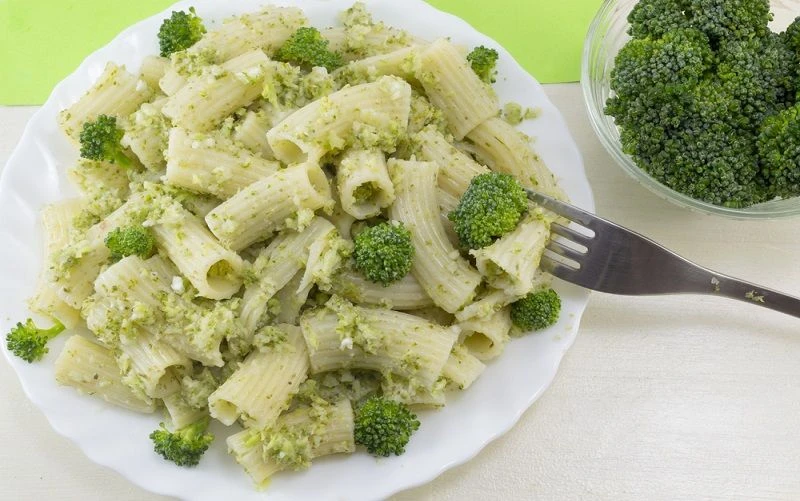
Pasta with cauliflower has deep roots in Italian cuisine, especially in southern regions like Sicily and Puglia where cooks turn simple pantry staples into deeply satisfying meals. The pairing works because cauliflower absorbs fat and aromatics like a sponge — garlic, olive oil, and a little pasta water transform it into something far greater than a plain vegetable side.
You don't need special equipment or hard-to-find ingredients. A large pot, a wide skillet, and about 30 minutes is all it takes. Here's everything you need to know to nail it on the first try.
Contents
The process has four moves: boil the pasta, sear the cauliflower until it's golden, build a quick pan sauce, then toss everything together. The biggest key is getting real color on the cauliflower. That caramelization is where all the flavor lives. Don't rush it, and don't crowd the pan.
This recipe serves 4. Every ingredient earns its place:
| Ingredient | Amount | Role in the Dish |
|---|---|---|
| Pasta (rigatoni or penne) | 12 oz | Hearty base that holds the sauce |
| Cauliflower florets | 1 medium head | Main vegetable — caramelizes into a rich, chunky sauce |
| Garlic | 4 cloves | Aromatic foundation; slices brown faster than minced |
| Extra-virgin olive oil | 3 tablespoons | Cooking fat and flavor; don't substitute with butter here |
| Red pepper flakes | ½ teaspoon | Background heat and complexity |
| Reserved pasta water | ½ cup | Starchy liquid that binds everything into a silky sauce |
| Parmesan or Pecorino | To taste | Salty, umami finish; Pecorino is sharper and more assertive |
Pro tip: Orecchiette (small ear-shaped pasta) is the best shape for this recipe — the little cups cradle cauliflower pieces and pool the sauce so every single bite is balanced.
Even simple recipes go wrong. These are the failures people run into most often with this pasta with cauliflower recipe — and the straightforward fixes for each one.
This is the most common problem. Mushy cauliflower means you steamed it instead of searing it. That happens when the pan is crowded — the florets release moisture, the steam has nowhere to go, and you end up with something soft and pale instead of golden and firm.
Fix it by using the largest skillet you own and working in batches if needed. A cast-iron or stainless steel pan holds heat better than nonstick and delivers a superior sear. If you want extra-tender cauliflower throughout the dish, roast the florets on a sheet pan at 425°F for 20 minutes first, then finish them in the skillet with the garlic. Roasting drives off more moisture and concentrates the flavor even more.
If the sauce looks thin or tastes flat, two things probably went wrong:
A squeeze of fresh lemon juice at the end brightens everything. A small amount of anchovy paste (about 1 teaspoon) stirred in with the garlic adds serious depth without tasting fishy at all. And if you want to build better overall cooking instincts — knowing which ingredients belong in a healthy, well-balanced dish — the guide on what to eat or avoid for a healthy diet is worth reading.
Warning: Never rinse your pasta after draining. You wash away the surface starch that helps the sauce grip every piece of pasta — and that starch is the whole point.
The base recipe is deliberately simple. Once you've made it once, you'll see exactly how much room there is to make it your own. This pasta with cauliflower recipe adapts to almost any dietary need or flavor direction without losing what makes it work.
The dish is filling on its own, but adding protein turns it into something more substantial:
The soft, easy-to-chew texture of this dish also makes it a natural choice when you need something gentle and nourishing — similar to the meals recommended after wisdom teeth removal, where soft, non-chewy food matters most. Skip the crunchy bread topping for that use case.
This recipe is naturally vegetarian. To make it fully vegan, replace Parmesan with 2 tablespoons of nutritional yeast — it delivers a similar salty, savory quality without any dairy. For gluten-free, chickpea pasta or lentil pasta both hold up well under a sauce this hearty.
To shift the flavor profile entirely, try these swaps:
Building a good spice cabinet makes these adjustments effortless. If you're not sure what herbs and seasonings pair naturally with Italian-style dishes, the breakdown of the best substitutes for thyme is a useful starting point for understanding how herbs actually work together.
Pro insight: Adding a small handful of golden raisins to the pan with the garlic sounds strange, but it cuts through the bitterness of the cauliflower and adds a subtle sweetness that makes the whole dish more balanced.
This dish keeps well, but like most pasta, it needs a bit of attention when reheating to recapture its original texture. The pasta absorbs the sauce as it sits, so it'll look drier than when you first made it. That's completely normal and easy to fix.
Store leftovers in an airtight container in the refrigerator for up to 3 days. Don't freeze this dish. Cooked pasta turns grainy and mushy when thawed, and cauliflower releases water as it freezes, making the sauce watery and bland on reheating. It's just not worth it — this recipe is fast enough to make fresh when you want it.
If you're prepping ahead, consider storing the cooked cauliflower and pasta separately. Combine them only when you're ready to reheat, which gives you better control over the final texture.
The skillet is your best tool here, not the microwave:
If you're using a microwave, cover the bowl with a damp paper towel and heat in 30-second bursts on medium power, stirring between rounds. High power will dry out the pasta and make the cauliflower rubbery. The damp towel traps steam and keeps moisture in the dish during reheating.
 |
 |
 |
 |

About Daisy Dao
Daisy Dao grew up in Honolulu, Hawaii, where coastal living and access to fresh local ingredients shaped her approach to home cooking from an early age. She has spent years experimenting with seafood preparation, healthy cooking methods, and ingredient substitutions — developing hands-on familiarity with a wide range of kitchen tools, techniques, and produce. At BuyKitchenStuff, she covers healthy recipes, cooking techniques, and ingredient substitution guides.
Check for FREE Gifts. Or get our Free Cookbooks right now.
Disable the Ad Block to reveal all the recipes. Once done that, click on any button below
|
|
|
|
