by Christopher Jones
A single honey bee colony can house up to 60,000 bees, and removing them by hand is practically impossible. That's exactly why beekeepers and DIY enthusiasts rely on bee vacuums — gentle suction devices that collect bees without crushing them. Learning how to make a bee vacuum is one of the most practical skills you can pick up if you keep bees, do cutouts, or just need to relocate a swarm that's moved into your wall. The best part? You can build one for under $50 with parts from a hardware store.
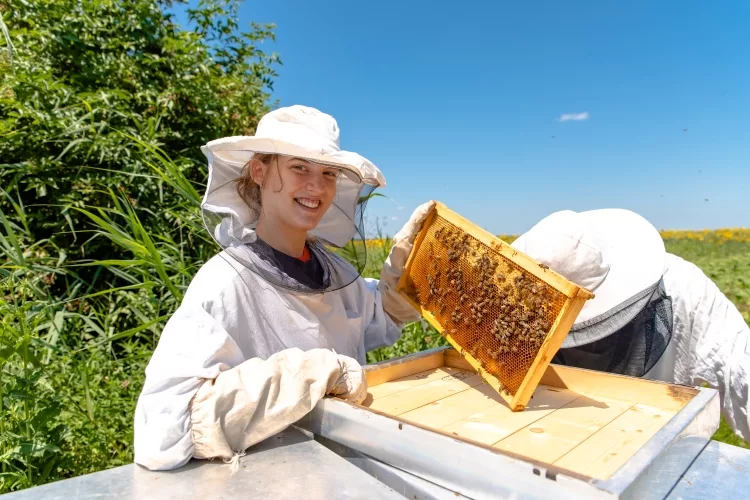
A bee vacuum works differently from your household vacuum. Instead of maximum suction, you need reduced, adjustable airflow that pulls bees into a containment box without injuring them. Think of it like the difference between a leaf blower and a gentle breeze. Too much power and you'll hurt the bees. Too little and they'll fly right back out. If you've ever repurposed a vacuum for inflating a pool, you already know these machines are more versatile than most people think.
This guide walks you through building a reliable bee vacuum from scratch, covers the mistakes that kill bees, and busts the myths that keep people from trying.
Contents
Building a bee vacuum is a straightforward weekend project. You're essentially creating two things: a sealed capture box and a way to connect reduced suction to it. Here's exactly how to do it.
| Item | Purpose | Approximate Cost |
|---|---|---|
| 5-gallon bucket or wooden nuc box | Capture chamber | $5–$15 |
| Shop vacuum (5–6 HP) | Suction source | $40–$60 (or use one you own) |
| Gate valve or ball valve | Suction regulator | $8–$12 |
| 1.5" PVC pipe and fittings | Intake and exhaust lines | $5–$10 |
| Window screen mesh (#8 hardware cloth) | Bee barrier inside chamber | $5 |
| Caulk or silicone sealant | Sealing joints | $4 |
| Drill, hole saw, screws | Assembly | Already in your toolbox |
Here's the critical part: install your gate valve between the capture box and the shop vacuum. This valve is what lets you dial suction down to a bee-safe level. Open it all the way and you'll pulverize bees. Close it most of the way and you'll get the gentle pull you need.
Pro tip: Test your suction on a handful of dead bees or cotton balls first. You want enough pull to draw a bee in from about 2 inches away, but not so much that it slams them against the screen.
The gate valve bleeds off excess air, so the vacuum runs at full power while only a fraction of that suction reaches the bees. It's the same principle behind how air purifiers regulate airflow through filters without damaging them.
Not every bee vacuum design performs equally. After seeing dozens of builds in beekeeping communities, two designs consistently outperform the rest.
This is the most popular beginner build, and for good reason:
The downside is that bees can overheat in a sealed plastic bucket on a hot day. Drill a few small ventilation holes (covered with screen mesh) near the bottom to keep air circulating.
If you're a beekeeper doing cutouts, build your vacuum around a standard 5-frame nuc box. You vacuum bees directly onto frames with comb or foundation. When you're done, pull the frames out and drop them into a full hive — no shaking bees out of a bucket. This approach dramatically reduces stress on the colony. Experienced beekeepers who manage pest problems in their gardens already know that gentle relocation beats brute force every time.
A bee vacuum should relocate bees alive. But the wrong setup turns it into a bee blender. Here are the mistakes that cause the most casualties.
Warning: Never vacuum bees during the hottest part of the day. Early morning or late evening gives you the best survival rates and calmer bees.
Bee vacuums have a reputation problem. Most of it is based on outdated builds and bad information. Let's clear things up.
People assume you need a specialized vacuum or expensive parts. You don't. A 5-gallon bucket, some PVC pipe, a gate valve, and a shop vac you already own — that's it. Total cost is usually under $30 if you have basic tools. It's one of those practical ways to save money by doing it yourself rather than hiring a pest removal service that charges $200 or more.
This is the biggest myth. A poorly built bee vacuum kills bees. A properly built one with regulated suction and good ventilation achieves survival rates above 95%. The key factors are:
Commercial beekeepers use these tools daily. If bee vacuums were inherently harmful, professionals wouldn't rely on them.
Even a well-built bee vacuum can run into issues in the field. Here's how to diagnose and fix the most common ones.
If bees are hitting the screen hard and dying on impact, your suction is too strong. Open the gate valve more to bleed off air. If bees are sitting at the hose opening and not getting drawn in, close the valve slightly and check for air leaks in your joints. Re-caulk every seam if you suspect leaks — air escaping anywhere besides the valve means lost suction at the intake.
Also check your shop vac's filter. A clogged filter reduces suction dramatically. Swap in a clean one before every job, similar to how you'd maintain any tool. Keeping your equipment in working order is a basic preservation practice that applies to beekeeping tools just as much as anything else.
If bees are crawling out, you have gaps. The most common leak points are:
For the nuc box build, the natural gaps between wooden frames are a feature, not a bug — bees cluster on the frames instead of trying to escape. That's another reason the nuc box design wins for serious beekeeping work.
Use a standard shop vacuum with 5 to 6 horsepower. The power rating matters less than having a gate valve to regulate suction down to a safe level. Never use a household vacuum — the hose is too narrow and the suction is too aggressive for live bees.
If you already own a shop vac, you can build a bee vacuum for $20 to $30 using a 5-gallon bucket, PVC pipe, a gate valve, and hardware cloth. Starting from scratch with a new shop vac, expect to spend $60 to $80 total.
Not if you regulate suction properly. The queen is larger and more fragile than workers, so keep suction at the lowest effective setting. Many beekeepers cage the queen separately if they spot her, then vacuum the rest of the colony.
Transfer bees to a hive within one hour for best results. Two hours is the absolute maximum in shaded, ventilated conditions. In direct sunlight or high heat, bees can overheat and die within 20 minutes in a sealed container.
Technically yes, but it's not recommended. Wasps and hornets are more aggressive, and the vacuum chamber won't contain them safely for relocation. For wasp removal, contact a pest control professional instead.
Light smoking can calm bees before you start, but don't overdo it. Heavy smoke causes bees to gorge on honey, making them heavier and more prone to injury during suction. A few gentle puffs at the entrance is enough.
 |
 |
 |
 |

About Christopher Jones
Christopher Jones holds an MBA from the University of San Francisco and brings a business-minded approach to kitchen gear evaluation — assessing products not just for performance but for long-term value, build quality, and real-world usability in everyday home cooking. He has spent years testing appliances, cookware, and kitchen gadgets with the same analytical rigor he developed in business school. At BuyKitchenStuff, he covers kitchen appliance reviews, buying guides, and practical cooking tips.
Check for FREE Gifts. Or get our Free Cookbooks right now.
Disable the Ad Block to reveal all the recipes. Once done that, click on any button below
|
|
|
|
