by Rick Goldman
Have you ever wondered how to cook goat meat so it turns out tender, flavorful, and falling off the bone? The secret is simpler than you think — it comes down to low heat, patience, and the right seasonings. Goat meat is one of the most popular proteins on the planet, eaten by millions across Africa, the Caribbean, South Asia, and the Middle East. Yet in many Western kitchens, it remains a mystery. Whether you picked up a cut from your local halal butcher or a specialty farm, this guide walks you through everything you need to know. If you enjoy exploring new cooking techniques, goat meat is a rewarding place to start.
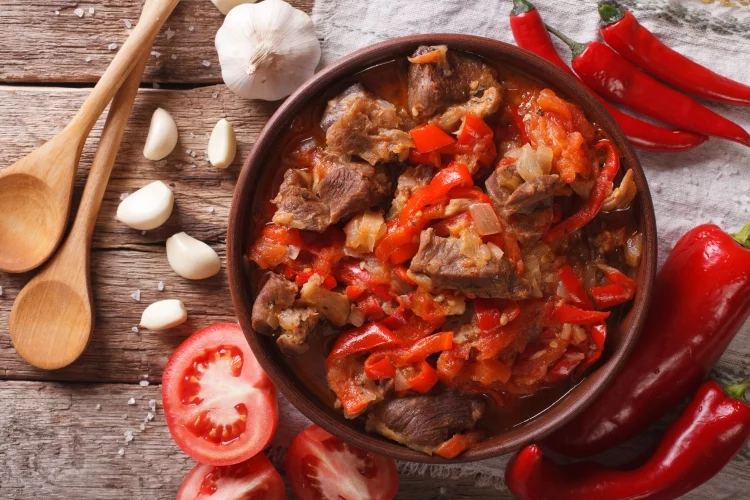
Goat meat — sometimes called chevon or cabrito depending on the animal's age — is leaner than beef, pork, or lamb. That leanness is exactly why so many people overcook it and end up with something tough and dry. But when you treat it right, goat delivers a rich, slightly sweet flavor that pairs beautifully with bold spices. According to the Wikipedia entry on goat meat, it accounts for roughly 6% of all red meat consumed worldwide, making it far more common globally than most Americans realize.
The methods below cover slow cooking, braising, roasting, and quick-cook approaches so you can pick the one that fits your schedule and kitchen setup. You will also learn which cuts work best for each method, how much to budget, and the mistakes that trip up first-timers.
Contents
Understanding how other cultures cook goat gives you a massive head start. These are not just recipes — they are techniques refined over generations that tell you exactly what works.
In Jamaica and Trinidad, curry goat is a celebration dish. The meat is cut into bone-in chunks, marinated overnight in curry powder, allspice, thyme, scotch bonnet peppers, and garlic, then braised low and slow until the sauce thickens into something almost gravy-like. The bone-in pieces are essential — they add body and richness to the liquid that boneless cuts simply cannot match. Most Caribbean cooks braise for two to three hours at a gentle simmer, never a rolling boil.
In India, goat is often labeled "mutton" at butcher shops. Rogan josh, a Kashmiri classic, starts with blooming whole spices (cardamom, cloves, cinnamon) in hot oil before adding yogurt-marinated goat. The yogurt acts as both a tenderizer and a sauce base. If you have experience cooking beef brisket in the oven, you already understand the core principle here: tough connective tissue needs time and moisture to break down into gelatin.
Birria from Jalisco traditionally uses goat, not beef. The meat is braised in a chile-based consommé made from guajillo, ancho, and árbol peppers. What makes birria special is the finishing step — the braised meat is shredded and crisped on a griddle, then served with the rich braising liquid for dipping. This two-stage method (braise then crisp) gives you both tenderness and texture.
Pro tip: Regardless of the cuisine, nearly every successful goat recipe worldwide relies on the same formula — bold seasoning, acidic marinade, and slow moist heat. Master that formula and you can adapt any recipe.
Goat meat is not cheap compared to chicken or pork, but it is competitive with lamb and premium beef cuts. Knowing which cuts to buy for your cooking method saves you money and frustration.
The shoulder and leg are the workhorses. They have enough connective tissue to handle long cooking without drying out. Loin chops and rib chops are tender enough for quick grilling but cost significantly more per pound. Ground goat is your budget-friendly entry point — use it anywhere you would use ground beef or lamb.
| Cut | Price Range (per lb) | Best Cooking Method | Cook Time |
|---|---|---|---|
| Shoulder (bone-in) | $8 – $12 | Braising, stewing | 2 – 3 hours |
| Leg (bone-in) | $10 – $14 | Roasting, braising | 2.5 – 4 hours |
| Loin chops | $14 – $20 | Grilling, pan-searing | 8 – 12 minutes |
| Rib chops | $14 – $18 | Grilling, broiling | 8 – 12 minutes |
| Ground goat | $7 – $10 | Burgers, kebabs, sauces | 10 – 20 minutes |
| Stew meat (cubed) | $9 – $13 | Stewing, currying | 1.5 – 2.5 hours |
| Whole goat (young) | $5 – $8 | Spit roasting, pit cooking | 4 – 6 hours |
Your best value is bone-in shoulder. It is forgiving, full of flavor, and works for almost every recipe. Look for it at halal butchers, ethnic grocery stores, or local farms that sell direct. Many farmers markets carry goat seasonally, especially around Easter and Eid when demand spikes.
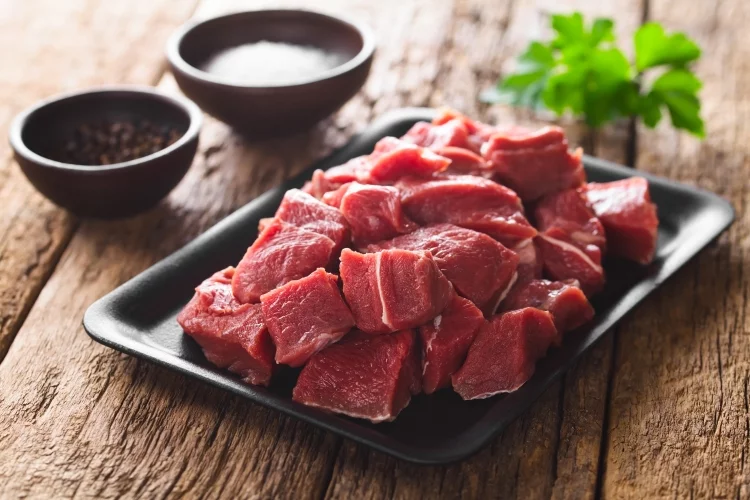
These tips apply whether you are stewing, roasting, or grilling. Get these fundamentals right and the specific recipe matters less.
Always marinate goat meat for at least four hours, ideally overnight. The leanness of goat means it benefits enormously from acid-based marinades. Yogurt, citrus juice, vinegar, or buttermilk all work. The acid begins breaking down tough muscle fibers before the meat ever hits heat. Add your aromatics to the marinade — garlic, ginger, cumin, coriander — so the flavor penetrates deep rather than sitting on the surface.
If you are short on time, score the meat with shallow cuts every inch or so. This exposes more surface area to the marinade and cuts your marinating time roughly in half. Similar to how you would prepare fresh Polish sausage, the key is making sure seasoning reaches the interior of the protein, not just the outside.
For braising and stewing, keep your liquid at a gentle simmer — around 300°F to 325°F in the oven, or the lowest flame setting on your stovetop that still produces occasional bubbles. Aggressive boiling tightens the protein fibers and squeezes out moisture. You want the opposite: a slow, lazy breakdown of collagen into silky gelatin.
Warning: Never skip the searing step. Browning the meat in batches before braising creates hundreds of flavor compounds through the Maillard reaction (the chemical browning of proteins and sugars). Skipping it produces a flat, one-dimensional dish.
For roasting a whole leg, start at 450°F for 20 minutes to get a crust, then drop to 300°F for the remaining cook time. Use a meat thermometer — pull the roast at 145°F for medium, or cook to 190°F or above if you want fall-apart tender meat with fully rendered connective tissue.
You do not need exotic equipment or hard-to-find ingredients. These two approaches cover weeknight meals and weekend projects.
Cut two pounds of bone-in goat shoulder into two-inch chunks. Season generously with salt, pepper, cumin, and smoked paprika. Sear in batches in a heavy Dutch oven with a tablespoon of oil until deeply browned on all sides. Remove the meat and sauté one diced onion, four cloves of garlic, and two chopped carrots until soft. Add a can of crushed tomatoes, two cups of broth, a bay leaf, and the meat back in. Cover and cook in a 325°F oven for two and a half hours.
The result is a thick, hearty stew with meat that falls apart when you press it with a fork. Serve it over rice, couscous, or with crusty bread to soak up the sauce. This is the single best recipe for learning how to cook goat meat because it is almost impossible to overcook — the liquid protects the meat.
Take a whole bone-in leg (four to five pounds) and stab it all over with a paring knife. Push slivers of garlic and fresh rosemary into each slit. Rub the surface with olive oil, salt, pepper, and ground coriander. Marinate overnight in the fridge. Roast at 450°F for 20 minutes, then lower to 300°F and cook for about three hours, basting every 45 minutes with the pan juices. If you have roasted a turkey in a convection oven, the basting rhythm is identical.
Let the leg rest for 15 minutes before carving. The internal temperature should read at least 185°F for tender, shreddable meat. Slice against the grain for clean, attractive pieces.
Cooking goat is a skill that rewards repetition. Start simple and work your way toward more ambitious preparations as you develop a feel for the meat.
Begin with stews and braises where the liquid does most of the work. Once you feel comfortable with timing and seasoning, move to oven roasts where you control the texture more precisely. Grilling goat chops is the advanced move — the thin cuts go from perfectly done to overcooked in a matter of minutes, so you need confidence with your heat management.
Goat pairs best with bold, earthy flavors. Think roasted root vegetables, saffron rice, flatbreads, or a bright herb salad with mint and parsley to cut through the richness. Acidic sides work particularly well — a simple tomato and red onion salad with lemon juice balances the deep savoriness of braised goat. For drinks, a full-bodied red wine like Syrah or Malbec stands up to the flavor without overpowering it.
Pro tip: Fresh mint is goat meat's best friend. A handful of chopped mint stirred into the dish in the last five minutes of cooking lifts the entire flavor profile — it is the single easiest upgrade you can make.
Most failures when learning how to cook goat meat come down to a handful of common errors. Fix these and your results improve dramatically.
This is the number one mistake. Goat is lean, and lean meat punishes high heat. If you crank your oven to 400°F and roast a goat shoulder uncovered for an hour, you will end up with something that resembles shoe leather. The connective tissue needs time to convert into gelatin — that conversion happens between 160°F and 200°F internal temperature, and it takes hours at a gentle simmer. Rushing it gives you dry, chewy meat with gristly bits that never softened.
The fix is straightforward: low oven temperatures (300°F to 325°F), covered pots to trap moisture, and patience. Check doneness by feel — the meat should offer almost no resistance when you press it with tongs.
Goat has a distinctive flavor that is stronger than chicken but milder than lamb. It needs confident seasoning to shine. Timid salting and a dusting of pepper will leave you with a bland dish that tastes vaguely gamey instead of rich and complex. Season aggressively with salt at the marinade stage, add depth with warm spices (cumin, coriander, cinnamon, allspice), and build layers of flavor by including aromatics like onion, garlic, and ginger in your braising liquid.
Another seasoning mistake is adding all your herbs at the beginning. Sturdy herbs like thyme and rosemary go in at the start because they need time to release their oils. But delicate herbs like cilantro, mint, and parsley should be added in the final minutes or used as a garnish — prolonged heat destroys their brightness and turns them bitter.
Goat meat does not ask for complicated technique — it asks for bold seasoning, low heat, and the patience to let time do the real cooking.
 |
 |
 |
 |

About Rick Goldman
Rick Goldman grew up traveling the Pacific Coast and developed an early appreciation for regional and international cuisines through exposure to diverse food cultures from a young age. That culinary curiosity shaped his approach to kitchen gear — he evaluates tools based on how well they perform across different cooking styles, ingredient types, and meal occasions. At BuyKitchenStuff, he covers kitchen equipment reviews, recipe guides, and food-focused buying advice.
Check for FREE Gifts. Or get our Free Cookbooks right now.
Disable the Ad Block to reveal all the recipes. Once done that, click on any button below
|
|
|
|
