by Daisy Dao
Ever pulled a box of frozen burger patties from the freezer and wondered if you could skip the thaw and go straight to cooking? You absolutely can. Learning how to cook frozen burgers on stove is one of the simplest kitchen skills you'll pick up, and the results are juicier than you might expect. Whether you forgot to defrost dinner or you're feeding a hungry crowd on short notice, your stovetop and a good skillet are all you need. Check out our recipes collection for more easy weeknight meals like this one.

The stovetop method gives you something a grill or oven can't — total control over heat and timing. You watch the patty sear, hear the sizzle, and adjust the flame in real time. That hands-on approach is exactly why pan-fried frozen burgers come out with a crispy crust and a juicy center when done right.
This guide walks you through everything from skillet selection to internal temperature, plus the common mistakes that turn a perfectly good patty into a dry hockey puck. If you enjoy stovetop cooking, you'll also love our guide on how to cook fresh Polish sausage — another simple one-pan meal.
Contents
When you cook a frozen patty on a hot skillet, the outer layer sears immediately while the inside thaws gradually from the conducted heat. This creates a natural temperature gradient that actually helps lock in moisture. The ice crystals inside the meat melt slowly, basting the burger from within as it cooks. According to the USDA's food safety guidelines, cooking beef from frozen is perfectly safe as long as you reach an internal temperature of 160°F (71°C).
The key is consistent medium heat. Too high and you char the outside before the center thaws. Too low and you steam the patty instead of searing it. That sweet spot — around medium on most burners — gives you the best of both worlds.
Grilling frozen burgers works, but flare-ups from dripping fat are a real problem. The oven is hands-off but gives you zero crust. The stovetop is the middle ground — you get a solid sear, easy temperature control, and cleanup is just one pan. If you're someone who loves outdoor cooking, our guide on how to build an outdoor kitchen covers grilling setups too. But for frozen patties, the stove wins on speed and consistency.
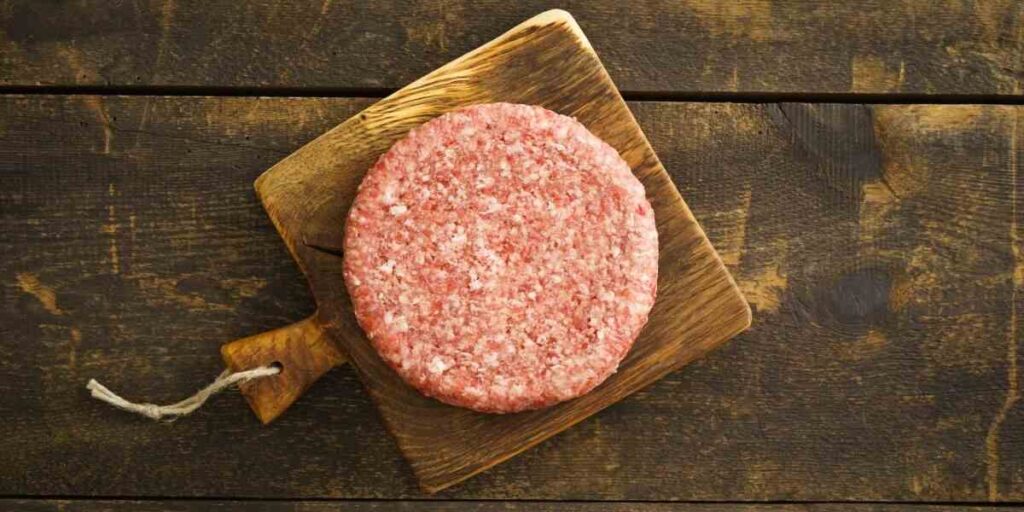
Keep it simple. You need a heavy skillet (cast iron is ideal), a spatula, a meat thermometer, and a little oil or butter. That's it. If you have a cast iron pan, make sure it's well-seasoned — and if it needs some love, here's how to clean cast iron to get it back in shape.
Place your skillet on the burner and set it to medium heat. Add a thin layer of oil — just enough to coat the surface. Once the oil shimmers (not smoking), lay the frozen patties in the pan. Give each patty about an inch of space so they sear instead of steam.
Cook the first side for 5 to 7 minutes without touching it. You want a dark golden-brown crust to develop. Flip once, then cook the other side for another 5 to 7 minutes. During the last two minutes, you can add cheese if you want it melted. Cover the pan briefly with a lid to trap the heat.
Pro tip: Resist the urge to press down on the patty with your spatula. Every press squeezes out juice and fat — the very things that make your burger taste good.
Use your meat thermometer to check the center. You're looking for 160°F for ground beef. Pull the burgers off the heat and let them rest on a plate for two minutes before serving.
| Patty Thickness | First Side | Second Side | Total Cook Time | Target Temp |
|---|---|---|---|---|
| ¼ inch (thin) | 3–4 min | 3–4 min | 6–8 min | 160°F |
| ⅓ inch (standard) | 5–6 min | 5–6 min | 10–12 min | 160°F |
| ½ inch (thick) | 6–7 min | 6–7 min | 12–14 min | 160°F |
| ¾ inch (extra thick) | 7–8 min | 7–8 min | 14–16 min | 160°F |
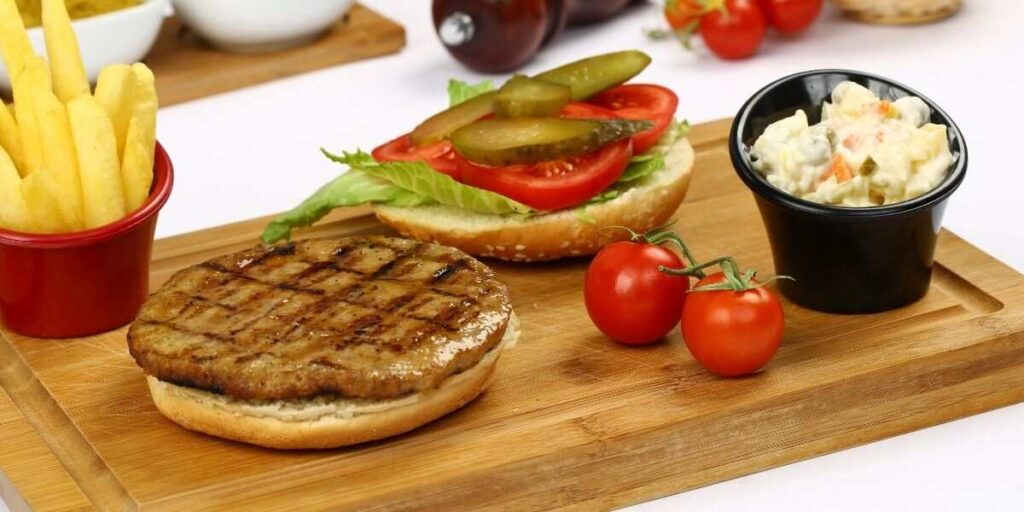
Here's something most people get wrong: they try to season the patty before it hits the pan. With a frozen burger, seasoning slides right off the icy surface. Instead, season after the first flip. Once the first side is seared and the top is starting to thaw, sprinkle on salt, pepper, garlic powder, and whatever else you like. The slightly wet surface grabs the seasoning and holds it.
A simple blend of kosher salt, black pepper, and a pinch of smoked paprika does wonders. If you want a bolder flavor, add onion powder and a dash of cayenne. Keep it to four or five spices max — you want to enhance the beef, not bury it.
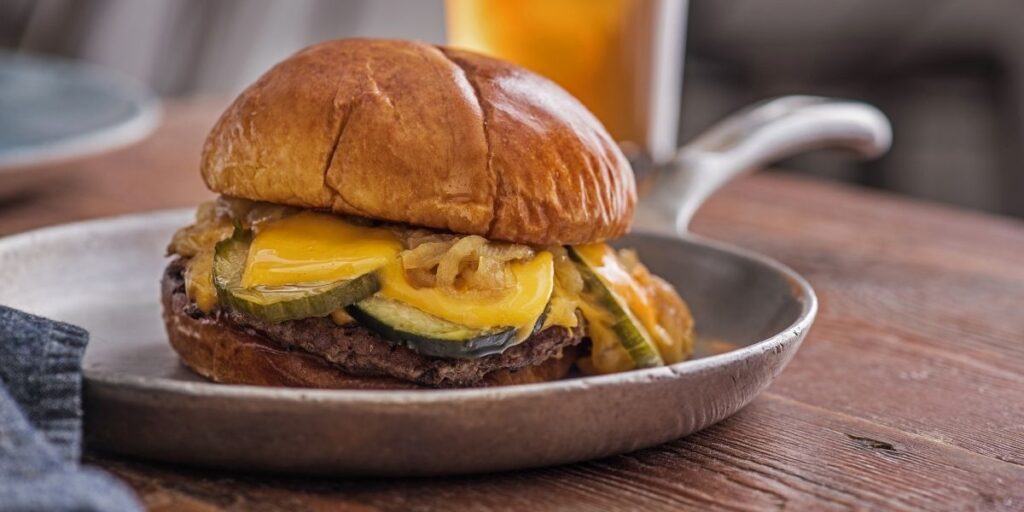
Add cheese during the last 90 seconds of cooking. American cheese melts fast and coats evenly. Cheddar, pepper jack, and Swiss all work but need the lid trick — cover the pan to trap steam and melt the cheese without overcooking the patty. For toppings, think about contrast. A cold crisp pickle against a hot patty. Tangy mustard against rich beef. These small details turn a basic frozen burger into something you'd actually crave.
Pair your burgers with a quick side — air fryer frozen fries take about the same time and make it a complete meal.
The number one mistake is cranking the heat to high. You think it'll speed things up, but all it does is burn the outside while leaving the center raw and icy. Frozen patties need time for heat to penetrate to the middle. Medium heat with patience beats high heat every time.
The second biggest mistake is flipping too often. Every flip resets the sear on that side. One flip is all you need. Put the patty down, walk away, set a timer, and come back when it's ready. If you're looking for something else to cook low and slow while you wait, check out our guide on how to cook a beef brisket in the oven.
Eyeballing doneness doesn't work with frozen burgers. The outside can look perfectly done while the inside is still at 100°F. An instant-read thermometer costs less than ten dollars and takes the guesswork out completely. Insert it into the thickest part of the patty from the side, not the top, for the most accurate reading. You need 160°F for ground beef — no exceptions.
You've probably heard that you must thaw burgers before cooking. That's not true. In fact, thawing on the counter is actually a food safety risk because the outer layer reaches the "danger zone" (40°F–140°F) while the inside is still frozen. Cooking straight from frozen avoids this problem entirely. The USDA confirms that cooking meat from a frozen state is safe — it just takes roughly 50% longer than cooking from thawed.
Some people claim thawed burgers taste better. In side-by-side tests, the difference is minimal when you cook frozen patties correctly. The sear, the seasoning, and the internal temperature matter far more than whether the patty started frozen or thawed.
Not necessarily. Modern flash-freezing technology locks in flavor and moisture at the point of packaging. A frozen patty that was flash-frozen hours after grinding can actually be fresher than a "fresh" patty that's been sitting in a store display case for three days. The key is buying quality frozen patties with a short ingredient list — beef and maybe salt. Skip anything with fillers, soy protein, or a long list of additives.
Worth noting: Frozen burgers are pre-portioned to consistent sizes, which means they cook more evenly than hand-formed patties of varying thickness.
You walk in the door at 6:30 and everyone's hungry. Frozen burgers on the stove go from freezer to plate in under 20 minutes. No preheating an oven, no waiting for coals to ash over. Just heat, sear, flip, done. Pair them with a simple salad or those air fryer fries and dinner is handled. It's a good idea to keep your kitchen well organized so your skillet, spatula, and thermometer are always within reach.
This method also keeps your kitchen cleaner than a grill or oven would. One skillet, one spatula, minimal splatter if you control the heat properly. Speaking of keeping things clean, if grease splashes on your counters, here's how to clean white quartz countertops without damaging them.
Firing up a grill for one or two burgers is overkill. The stovetop is perfect for small batches. A 10-inch skillet holds two patties comfortably, a 12-inch handles three or four. You use less energy, create less mess, and have more control over each individual patty. For solo cooks or couples, this is the most practical way to make frozen burgers any night of the week.
If you're cooking for a bigger crowd, you can run two skillets at once or work in batches. Keep finished burgers warm on a plate tented with foil while the next round cooks. For large gatherings, you might want to explore convection oven cooking for a main dish and use the stove for burgers as a second option.
Yes. A thin layer of oil prevents sticking and helps the patty develop an even sear. Use an oil with a high smoke point like canola, avocado, or vegetable oil. You only need about a tablespoon — just enough to coat the pan's surface.
You can use the same stovetop method, but poultry burgers need to reach 165°F internally instead of 160°F. They also tend to be leaner, so use a bit more oil and consider covering the pan for the last few minutes to keep moisture in.
While a thermometer is strongly recommended, you can cut into the thickest part and check that the inside shows no pink and the juices run clear. However, color alone is unreliable — some fully cooked ground beef stays slightly pink due to myoglobin content. A thermometer is the only sure method.
Shrinkage happens when fat renders out during cooking. Higher-fat patties (like 80/20 blends) shrink more than leaner ones. Cooking on medium heat instead of high reduces shrinkage because the fat renders more slowly and stays in the patty longer.
No. Once you've started cooking a frozen burger, you need to finish cooking it to 160°F and eat it or refrigerate the fully cooked patty. Refreezing partially cooked ground beef creates a food safety risk because bacteria can multiply in the partially warm center.
 |
 |
 |
 |

About Daisy Dao
Daisy Dao grew up in Honolulu, Hawaii, where coastal living and access to fresh local ingredients shaped her approach to home cooking from an early age. She has spent years experimenting with seafood preparation, healthy cooking methods, and ingredient substitutions — developing hands-on familiarity with a wide range of kitchen tools, techniques, and produce. At BuyKitchenStuff, she covers healthy recipes, cooking techniques, and ingredient substitution guides.
Check for FREE Gifts. Or get our Free Cookbooks right now.
Disable the Ad Block to reveal all the recipes. Once done that, click on any button below
|
|
|
|
