Kitchen Gadgets & Equipment Reviews ›
by Daisy Dao
Which mini food processor is actually worth your money in 2026 — and which ones will leave you frustrated every time you need to chop an onion? If you've spent any time browsing the kitchen appliance aisle, you already know how overwhelming the options can be, with dozens of models claiming to be the fastest, most powerful, and easiest to clean. The good news is that after testing and researching the top contenders, the Cuisinart Mini-Prep Plus stands out as the clear winner for most home cooks, thanks to its patented reversible blade system and rock-solid 250-watt motor that handles everything from fresh herbs to hard cheese without breaking a sweat.
A mini food processor — also called a food chopper — is a compact countertop appliance with a small bowl (usually 3–8 cups) and spinning blades that chop, mince, grind, and puree ingredients in seconds, saving you the tedious manual knife work that slows down weeknight cooking. Whether you're whipping up a quick healthy chicken marinade or prepping vegetables for a weeknight stir-fry, having the right compact chopper on your counter genuinely changes how you cook every day. The category has improved dramatically in 2026, with better motors, smarter blade designs, and more dishwasher-safe parts than ever before.
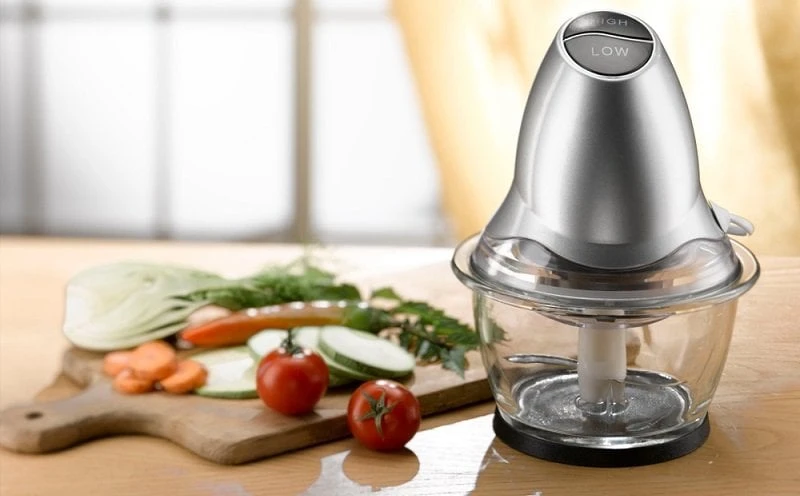
This guide covers the best mini food processors across every budget and use case, from the stripped-down weekend warrior to the dual-bowl powerhouse that can handle meal prep for a whole family. You'll find detailed reviews for each model, a straight-shooting buying guide, and answers to the questions buyers ask most often before clicking "add to cart." According to Wikipedia's overview of food processors, the technology dates back to the 1970s, but the modern compact versions are far more capable and user-friendly than anything that came before them.


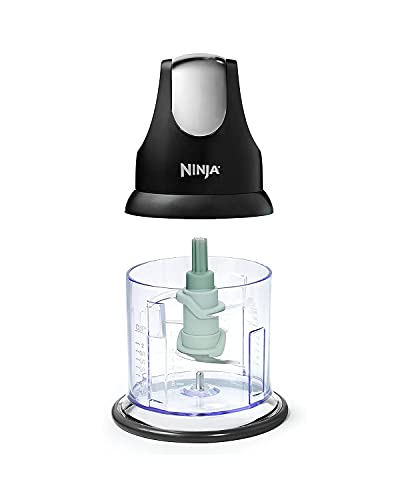
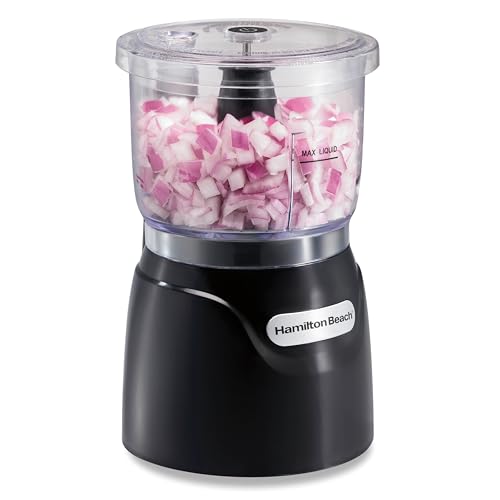


If you want one mini food processor that handles every everyday chopping job without any drama, the Cuisinart Mini-Prep Plus is the one to buy in 2026. The 250-watt motor paired with the patented reversible stainless steel blade gives you two genuinely different processing actions — chop mode spins the blade forward for herbs and soft vegetables, while grind mode reverses the blade direction for harder ingredients like cheese and nuts. That dual-direction design is not a gimmick; it produces noticeably cleaner, more even results than a single-direction blade on similarly priced competitors, and you feel the difference every time you use it.
The 24-ounce (3-cup) bowl sits comfortably between too-small and too-large for a single cook or small household, handling enough garlic, onion, or fresh salsa ingredients for a full dinner without requiring multiple batches. The push-button control panel is stripped down to just two functions — chop and grind — which means there is no confusing speed selector to think about when you just need things chopped quickly. Build quality on the brushed chrome motor base is noticeably solid for this price range, and the plastic bowl feels sturdy rather than flimsy.
Cleanup takes under two minutes because both the bowl and lid are fully dishwasher-safe, and the motor base wipes clean with a damp cloth in seconds. The one honest limitation here is bowl capacity — if you're prepping for a family of six or doing large batch cooking, you'll need a full-size food processor or a model with a bigger bowl. But for the solo cook or couple who wants fresh pico de gallo, minced garlic, or grated parmesan ready in ten seconds, this Cuisinart earns its spot at the top of our list every single time.
Pros:
Cons:
KitchenAid built its reputation on reliable, well-designed kitchen tools, and the 3.5 Cup Food Chopper in Contour Silver lives up to that reputation in a surprisingly compact package. The locking blade and pour spout combination is the feature you'll appreciate most after the first use — being able to pour directly from the bowl without removing the blade means you get your freshly processed salsa or hummus into a serving dish cleanly and without any awkward dripping. That's a detail most budget choppers skip entirely, and it matters every single time you use the machine.
The two-speed-plus-pulse control gives you real flexibility over texture, letting you run a short burst for a rough, chunky chop or hold down the button for a smooth, creamy consistency when you're making dressings or dips. The 3.5-cup bowl is the sweet spot for one to two people preparing daily meals, and the countertop footprint is genuinely small — significantly smaller than a full food processor but with enough capacity that you won't need to run it three times to get through a recipe. The simple cord wrap keeps your counter clean when the machine is stored.
Dishwasher-safe bowl and blade make cleanup entirely painless, and the Contour Silver colorway is understated enough to complement virtually any kitchen aesthetic without clashing with your existing appliances. The motor is not the most powerful in this review — you should manage your expectations around very dense ingredients or extremely large ice chunks — but for everyday chopping, mincing, and pureeing tasks, it handles the workload with consistent, reliable results that justify the KitchenAid price premium.
Pros:
Cons:
The Ninja Food Chopper Express Chop earns its spot in this lineup by delivering genuinely capable performance at a price point that undercuts most of its competition by a significant margin. The 200-watt motor with Ninja's signature blade assembly handles mincing, chopping, grinding, blending, and basic meal prep tasks with speed that surprises most first-time buyers, because you expect a budget machine to feel underpowered and sluggish, and this one simply does not. The 16-ounce bowl is smaller than most competitors, which is an honest trade-off you should weigh against the lower price before purchasing.
The single-button operation makes this machine about as simple to use as any kitchen appliance can be — press down for continuous processing, release to stop, and tap repeatedly if you want pulse action. That simplicity translates to nearly zero learning curve, which makes the Ninja a great first food processor for someone who has never owned one before. It also makes it an excellent second machine to keep at a vacation home or office kitchen where you need basic chopping capability without investing in something more expensive.
For the budget-conscious cook who primarily needs to chop garlic, mince onions, blend a quick salsa, or grind nuts for a recipe, the Ninja Express Chop delivers everything required at a price that is genuinely hard to argue with. It will not replace a full-size food processor for large tasks, and the smaller bowl means more batches for bigger recipes, but if you're looking to spend less while still getting a real, usable appliance rather than a toy, this Ninja is the honest answer in 2026.
Pros:
Cons:
Hamilton Beach designed the 72850 around one central idea: make the food chopper so simple to operate that absolutely anyone can use it without reading a manual or watching a tutorial first. The patented Stack & Press design — where you literally place the lid on top of the bowl and press down to activate the blades — eliminates the twist-locking mechanism that frustrates so many first-time users of competing models. If you've ever fumbled with a food processor lid trying to line up the locking tabs, you will immediately appreciate how much easier this approach feels in real daily use.
The 3-cup capacity and 350-watt motor are well-matched for each other, giving you enough power to push through onions, carrots, and nuts without the motor straining, while the bowl size keeps things practical for everyday single-meal prep. The built-in oil dispenser in the lid is a genuinely useful feature for anyone who makes homemade dressings, dips, or emulsified sauces — you can drizzle oil into the bowl while the machine runs without removing the lid, which is exactly how proper emulsification (the process of blending oil and water-based liquids into a smooth, stable mixture) works in professional kitchens.
The stainless steel blades handle a wide variety of ingredients with consistent results, and the straightforward press-to-chop, release-to-stop operation gives you natural pulse control without a dedicated pulse button. If you are focused on eating healthy on a budget and want a machine that makes vegetable prep fast and painless without a steep learning curve, the Hamilton Beach 72850 is a reliable, honest choice that delivers real value for the price it commands in 2026.
Pros:
Cons:
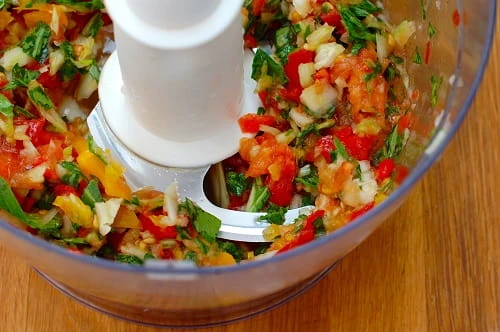
When you want more than the entry-level Cuisinart Mini-Prep Plus but don't need a full-size food processor, the Core Custom 4-Cup Mini Chopper is the natural step up that genuinely justifies the additional investment. The larger 4-cup bowl handles family-sized portions of guacamole, hummus, or chopped vegetables in a single batch, and the exclusive BladeLock system — which secures the reversible SmartPower blade in place during operation — adds a meaningful layer of safety and stability that you notice when the machine is working through harder, more resistant ingredients like hard cheese, raw nuts, or dense root vegetables.
The paddle control interface feels more modern and intentional than the push-button design on the original Mini-Prep, giving you a smooth switch between chop and grind modes without any ambiguity about which function you're running. Cuisinart's auto-reversing SmartPower blade is carried over from the smaller model, which means you get the same dual-direction processing action that produces cleaner, more consistent results across a wider range of ingredients than a fixed-direction blade can deliver. The white and stainless steel finish is clean and contemporary enough to leave on the counter without looking out of place.
All removable parts are dishwasher-safe, and the motor base wipes clean in the same two-second swipe as the rest of the Cuisinart lineup. If you regularly prep for three or four people, find yourself running the smaller 24-ounce models in frustrating repeated batches, or simply want a machine with more capacity headroom for the days when you're making a bigger recipe, this is the Cuisinart to buy in 2026 and you won't feel like you overpaid for what you get.
Pros:
Cons:
The KitchenAid KFC3516ER is the same proven 3.5-cup chopper as the Contour Silver model reviewed above, but wrapped in KitchenAid's iconic Empire Red colorway that has decorated more kitchen counters than any other appliance color in the brand's history. If you already own KitchenAid appliances in Empire Red — or if you simply want a food chopper that looks as good sitting on your counter as it performs when it's running — this is the version to choose, and the matching color coordination with your existing KitchenAid lineup is a genuinely satisfying upgrade over a neutral appliance that blends into the background.
Performance is identical to the silver model: two speeds plus pulse, a 3.5-cup work bowl with a locking blade and pour spout for clean serving, and dishwasher-safe parts throughout. The pour spout handles chunky and liquid textures equally well, which makes going from machine to serving bowl a clean one-step process that you'll appreciate every time you make fresh salsa, pesto, or a quick vinaigrette dressing. The compact footprint and integrated cord wrap keep your counter organized whether you leave it out or tuck it into a cabinet.
The honest trade-off with the Empire Red version is that you'll sometimes pay a small color premium compared to the silver or other neutral finishes, and that premium is purely cosmetic — you get no additional features, capacity, or power for the extra cost. But if building a cohesive, color-coordinated kitchen setup matters to you, that premium is a reasonable price to pay for an appliance you'll reach for every week when you're pulling together cheap and easy healthy meals that require fast vegetable prep work.
Pros:
Cons:
The KOIOS 500W Food Processor takes a fundamentally different approach from every other machine in this review, and that difference is immediately obvious the moment you unbox it: you get two separate 8-cup bowls instead of the single smaller bowl that every other model here offers. That dual-bowl setup means you can process two different ingredients simultaneously, prep a larger volume of food in a single session without washing between batches, or keep one bowl dedicated to savory ingredients and one for sweet preparations without any flavor transfer between them. For anyone doing serious weekly meal prep, this is a game-changing feature.
The 500-watt pure copper motor is the most powerful in this entire review lineup, and that extra muscle translates directly into performance on tough ingredients like raw meat, dense nuts, and hard root vegetables that would cause smaller motors to struggle or overheat. The S-shaped bi-level blades — which are designed with a two-tier cutting surface that contacts ingredients at multiple heights simultaneously — produce faster, more thorough and even processing than a flat single-level blade, with most tasks completing in approximately ten seconds according to KOIOS. Both speeds give you real control, and the tap-to-pulse feature works naturally alongside continuous operation for a full range of texture outcomes.
The rubber ring bases help keep the bowls stable during operation, reducing the vibration noise that plagues cheaper high-wattage machines, and both bowls and blades are dishwasher-safe for cleanup that matches the scale of the prep work this machine encourages you to do. The KOIOS is the largest and heaviest machine in this review, so if counter space or storage space is tight in your kitchen, that's the honest trade-off you need to weigh against its considerable capacity and power advantages before making your decision in 2026.
Pros:
Cons:
Motor wattage (the measure of electrical power the motor consumes, which correlates directly to processing strength) is the first spec to check, because it determines which ingredients the machine can handle reliably over time. For light everyday tasks like mincing garlic, chopping fresh herbs, and blending soft dips, 200–250 watts is adequate and you don't need to spend more. If you regularly process harder ingredients like raw nuts, dense root vegetables, hard cheese, or raw meat, you want at least 350 watts, and the KOIOS's 500-watt motor at the top end of this list handles those tasks with noticeable ease. Bowl capacity should match your household size — a 3-cup bowl works well for one or two people, while a 4-cup or larger bowl becomes worth the extra size and cost when you're prepping for three or more people on a regular basis.
Blade design has a more significant impact on results than most buyers realize before they've owned a few different food processors. A fixed single-direction blade processes everything the same way, which works fine for soft vegetables but struggles to produce clean results on harder or drier ingredients. Cuisinart's auto-reversing SmartPower blade solves this by spinning forward for chopping and backward for grinding, producing noticeably cleaner cuts across a wider variety of ingredients. Bi-level blades like those on the KOIOS contact ingredients at two heights simultaneously for faster, more thorough processing. Speed options and a dedicated pulse function give you texture control that single-speed machines simply cannot replicate, so look for at least two speeds or a strong pulse mechanism before you buy.
Dishwasher-safe bowls and blades are a baseline requirement in 2026 — any machine that requires hand-washing all parts adds friction to a tool that should be saving you time, not creating more work after the meal is done. Check that the motor base is sealed well enough to wipe clean with a damp cloth rather than requiring its own washing routine. Build quality in the bowl and lid matters for long-term durability because a blade that rattles inside a lightweight bowl, or a lid that doesn't seal cleanly, produces uneven results and more mess than a well-engineered assembly. Pay attention to how the lid locks — Hamilton Beach's Stack & Press system is the simplest available, while twist-lock systems require more attention to align correctly under pressure.
Most mini food processors are marketed as compact alternatives to full-size models, but there is still meaningful variation in footprint and storage convenience between the machines in this review. The KitchenAid models offer the most thought-out cord storage, with a simple wrap system that keeps cables tidy whether the machine lives on your counter or in a cabinet. The KOIOS, despite being categorized as a mini food processor, takes up significantly more counter real estate than the single-bowl machines due to its dual-bowl design. If your kitchen has limited counter space or narrow cabinet shelves, measure your available storage area before purchasing and compare it against the product dimensions listed on the product page to avoid an unpleasant surprise at unboxing.
The terms are often used interchangeably in product listings, but there is a subtle practical distinction worth knowing. A food chopper typically refers to a very simple, single-speed appliance with a small bowl that performs basic chopping and mincing tasks with minimal features. A mini food processor usually offers more processing modes — at least two speeds or a chop/grind switch — along with a slightly larger bowl and more blade options. In everyday use, both types handle the same fundamental prep tasks, and which label a manufacturer uses often depends more on marketing than on meaningful functional differences between the machines.
For most everyday cooking tasks performed by one to four people, a quality mini food processor handles the majority of what a full-size machine does — chopping, mincing, pureeing, making dips and sauces, and even basic grinding. Where it cannot replace a full-size processor is in tasks that require large bowl capacity, like shredding a full head of cabbage for coleslaw, making a double batch of pie dough, or processing large quantities of vegetables for batch freezer meals. If your cooking regularly involves these large-volume tasks, you need a full-size processor as your primary machine. But as a daily-use appliance for a typical household, the best mini models in 2026 are more than capable.
The safest approach for any mini food processor with dishwasher-safe parts is to place the bowl and lid in the top rack of your dishwasher after each use, and handle the blade carefully — always grip it by the plastic hub rather than the cutting edge to avoid nicks or cuts. The motor base should never go in the dishwasher or be submerged in water; wipe it clean with a damp cloth or sponge after each use. For stubborn residue stuck to the bowl, fill it halfway with warm water, run the machine for a few seconds to loosen the debris, then rinse and place in the dishwasher. Never reach into the bowl with fingers to wipe around the blade area while it's still attached to the base.
Mini food processors have real limitations that you should respect to protect the motor and blades from damage over time. Very hot liquids are a safety hazard — steam builds pressure inside the sealed bowl, which can force the lid off unexpectedly, so always let hot soups or cooked ingredients cool to warm before processing. Hard spices like whole cinnamon sticks and star anise can chip or dull the blade faster than expected. Coffee beans are specifically called out by Cuisinart as unsuitable for their chopper-style blade because the bean fragments can deflect unpredictably. Sticky or fibrous ingredients like dried fruit or tough celery can wrap around the blade and strain the motor, especially in machines under 300 watts.
A well-made mini food processor from a reputable brand like Cuisinart or KitchenAid, used for everyday chopping and prep tasks, typically lasts five to ten years with normal household use when you maintain it properly. The motor is almost always the first component to wear out, and it wears faster if you regularly overload the bowl beyond its stated capacity, run the machine continuously for extended periods without resting, or process very hard ingredients that the motor wattage is not rated to handle. Blades dull over time and are often replaceable on popular models — this is worth checking before you buy, because a replaceable blade extends the practical life of the machine significantly beyond what a non-replaceable blade design would offer.
For a family of four doing regular daily prep, a 4-cup mini food processor is the better choice because it reduces the number of processing batches required to get through a typical recipe's ingredient volumes. A 3-cup bowl fills up quickly when you're chopping two large onions or making a full batch of hummus for four people, which means you'll run the machine two or even three times to process what a 4-cup bowl handles in one pass. The Cuisinart Core Custom 4-Cup Mini Chopper reviewed above is specifically built around this use case, and it handles family-sized prep volumes with room to spare, making it the straightforward recommendation for households of three to four people who cook together regularly.
The right mini food processor is the one that matches your actual cooking habits — buy for the tasks you do every week, not the tasks you imagine you might do someday.
 |
 |
 |
 |

About Daisy Dao
Daisy Dao grew up in Honolulu, Hawaii, where coastal living and access to fresh local ingredients shaped her approach to home cooking from an early age. She has spent years experimenting with seafood preparation, healthy cooking methods, and ingredient substitutions — developing hands-on familiarity with a wide range of kitchen tools, techniques, and produce. At BuyKitchenStuff, she covers healthy recipes, cooking techniques, and ingredient substitution guides.
