by Rick Goldman
Over 700 million rice cooker units are in use worldwide — a staggering number that reflects how central this appliance has become in home kitchens everywhere. A well-executed coconut rice recipe rice cooker method produces consistently fluffy, fragrant grains that stovetop attempts rarely match on the first try. Our team at BuyKitchenStuff has spent considerable time testing this dish across multiple appliances, and we keep returning to the rice cooker as the most reliable everyday approach. For anyone looking to explore more ideas like this, our recipes section covers a wide range of approachable dishes.

Coconut rice combines jasmine or long-grain rice with coconut milk (the thick, creamy liquid pressed from coconut flesh — see Wikipedia's overview of coconut milk for more background), a pinch of salt, and optionally a touch of sugar. The result is a mildly sweet, subtly rich side dish that pairs beautifully with grilled proteins, bold curries, and tropical-inspired salads. Our experience shows that most people who try this dish once want it in regular rotation.
The rice cooker handles all the guesswork — no scorching, no constant stirring, no monitoring a bubbling pot. Just set it and let the machine work. In the sections below, our team walks through every step, shares the most common mistakes worth avoiding, and compares the rice cooker method to stovetop so most readers can decide what fits their kitchen best.
Contents
The coconut rice recipe rice cooker method is straightforward, but small details matter. Our team has tested several variations and refined the process below for the best texture and flavor with the least amount of effort.
Here is what most people need to get started:
Optional additions our team enjoys: a pandan leaf (a fragrant tropical leaf common in Southeast Asian cooking), toasted coconut flakes for garnish, or a squeeze of fresh lime juice stirred in after cooking. None of these are required, but each one adds a distinct layer to the finished dish.
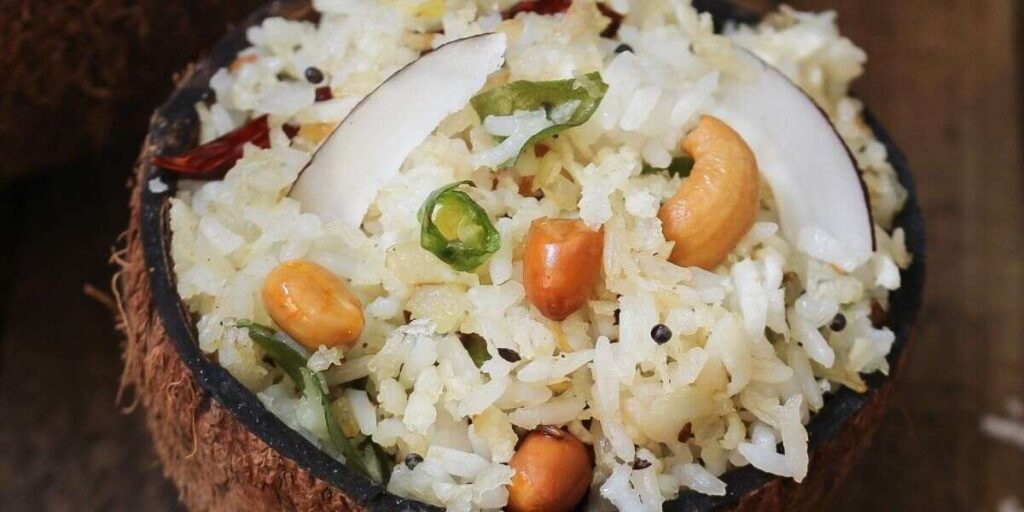
The entire process takes under 45 minutes, with most of that time completely hands-off. For a complete rice-cooker-friendly meal, pairing this dish with ideas from our cheap and easy healthy meals guide rounds out the plate nicely.
Getting the basics right is half the battle. The refinements below are what separate good coconut rice from truly great coconut rice — and most of them add no extra time to the process.
Jasmine rice is our team's consistent top pick for this recipe. Its natural floral aroma complements coconut milk in a way that other rice varieties rarely match, and its starch structure cooks up soft without turning sticky. Long-grain white rice works as a solid backup. Short-grain or sushi rice tends to come out gummy with coconut milk — most people find that texture a bit heavy for this dish.
The ratio our team recommends is one full can of full-fat coconut milk plus ¾ cup of water for every 2 cups of dry jasmine rice. Some recipes call for all coconut milk and no water — that works, but it produces a very dense, rich result. Cutting it with water lightens the dish without sacrificing coconut flavor.
One practical step worth noting: shake the can of coconut milk thoroughly before opening. The thick cream separates from the thinner liquid during storage, and mixing them back together before adding to the cooker ensures consistent flavor throughout every grain of rice.
Our team has made — and troubleshot — most of these errors firsthand. Knowing them upfront saves real frustration on what should be an easy recipe.
Light coconut milk (a diluted version with added water and thickeners) produces noticeably bland results. The coconut flavor barely registers, and the rice loses the subtle richness that makes this dish worth making. Full-fat coconut milk is non-negotiable for the best outcome. The extra fat content is spread across the entire batch, so individual servings are not as indulgent as they might seem from reading the can.
Unrinsed rice carries a thick coating of surface starch that turns the finished dish gummy and clumped. Most people notice the difference immediately when comparing rinsed versus unrinsed batches side by side. A 60-second rinse repeated two or three times makes a visible difference in final texture. Our team rinses every time, without exception.
Other common mistakes to keep in mind:
Even with a reliable rice cooker, batches occasionally go sideways. Here is how our team addresses the most common issues that come up.
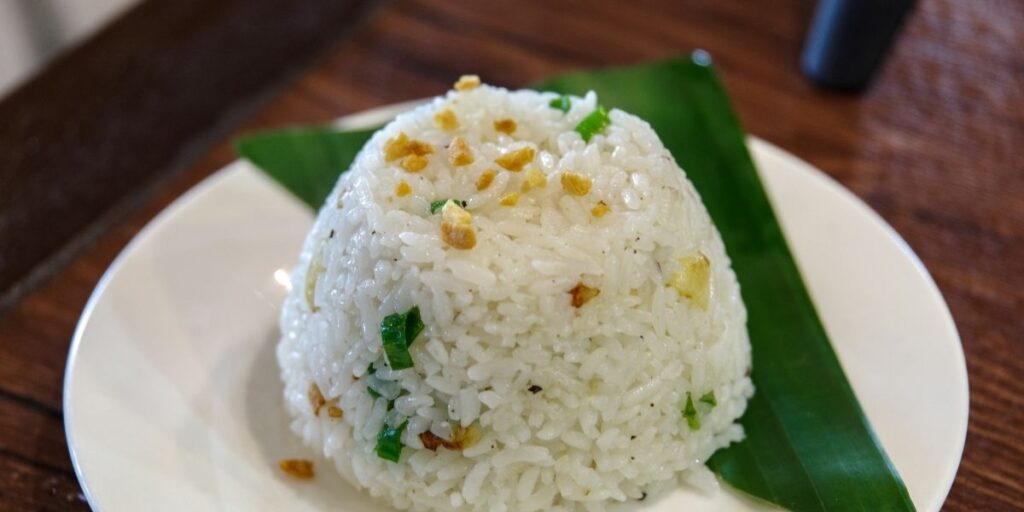
Mushy coconut rice almost always traces back to too much liquid. Full-fat coconut milk is denser than water, and adding the same volume of water used for a standard white rice recipe leads to oversaturation. The fix for the next batch: reduce water by ¼ cup. Some rice cooker models also have a "porridge" setting that adds extra liquid automatically — confirming that the standard "white rice" setting is selected prevents this problem before it starts.
Dry or crunchy grains at the bottom typically indicate either too little liquid or insufficient cook time. A quick fix: add 2–3 tablespoons of warm water, close the lid, and run the cooker on white rice for another 5–10 minutes. For future batches, increasing water by 2 tablespoons at a time until finding the right balance for a specific machine works well.
Additional troubleshooting scenarios worth knowing:
The rice cooker is not the only tool for this job, but our team consistently chooses it for good reasons — and we are happy to acknowledge where it falls short.
The hands-off nature is the biggest draw. Once the lid closes, most people can focus entirely on preparing the rest of the meal without thinking about the rice. There are no heat adjustments, no risk of the bottom scorching, and no stirring. The keep-warm function also holds the rice at a safe serving temperature for hours after cooking — a genuinely useful feature for meal prep, entertaining, or slow weeknight dinners.
The rice cooker does not produce the lightly toasted bottom layer that some cooks prize. For anyone who loves that texture — known as socarrat in Spanish cooking or simply crispy rice in many Asian traditions — a stovetop method or a cast-iron finish is worth exploring. Our cast iron grill pan recipes guide covers similar heat-intensive techniques. The rice cooker also occupies a dedicated counter slot and requires cleaning after every use.
| Feature | Rice Cooker | Stovetop |
|---|---|---|
| Hands-on time required | Very low — set and forget | Moderate — requires monitoring |
| Risk of burning | Very low | Moderate to high |
| Keep-warm function | Yes, built-in | No — requires manual management |
| Crispy bottom texture | Not achievable | Achievable with technique |
| Consistency across batches | High — repeatable once ratio is set | Varies depending on the cook |
| Small batch performance | Inconsistent below 1 cup dry rice | Works well at any quantity |
| Equipment needed | Dedicated rice cooker | Heavy-bottomed pot with a tight lid |
Coconut rice is versatile, but it is not universally interchangeable with plain white rice. Knowing when it shines — and when it clashes — saves some trial and error in the kitchen.
This coconut rice recipe rice cooker method is an ideal pairing for:
The subtle sweetness also makes it a hit at gatherings. It is different enough from plain rice to draw attention without being polarizing — most guests find it familiar and approachable.
Not every situation calls for pulling out the rice cooker. Stovetop cooking is worth considering when:
For anyone who enjoys exploring appliance-based cooking in general, our breakfast sandwich maker recipes and bread machine cornbread guide offer a useful look at how different machines handle texture and timing in very different ways.
Our team has made this coconut rice recipe rice cooker style dozens of times, and on the stovetop dozens more. The honest summary: both methods work, but they deliver meaningfully different results depending on what matters most in a given cooking situation.
The rice cooker wins on reliability. Most people who try both methods find that stovetop results vary significantly depending on the pot, the burner output, and how closely the cook is watching. The rice cooker removes all of those variables. Set the liquid ratio correctly once, and the results repeat accurately every single time — no adjustments needed.
Stovetop wins on flexibility. It handles smaller quantities better, allows mid-cook corrections, and can create that toasted bottom layer that some cooks prize. A skilled home cook with a good heavy-bottomed pot can match the rice cooker's consistency — but it takes practice and attention that not everyone wants to invest in a side dish.
Our team's neutral take: for most home kitchens, the rice cooker is the better everyday choice for this recipe. It is lower effort, more consistent batch to batch, and frees up attention for the rest of the meal. Stovetop remains a valid and worthwhile option for cooks who prefer direct control or want a specific texture the cooker simply cannot replicate.
Brown rice can work, but it requires adjustments. Our team recommends increasing the water by about ¼ cup and selecting the brown rice setting if the cooker has one. Expect a longer cook time — typically 45 to 55 minutes — and a denser, chewier texture compared to jasmine rice. The coconut flavor still comes through, though it is slightly muted because the bran layer on brown rice absorbs more of the liquid and fat before it reaches the grain itself.
Properly stored in an airtight container, coconut rice keeps well in the refrigerator for up to four days. Our team recommends adding a small splash of water before reheating in the microwave to restore moisture. Reheating in a small pot over low heat with the lid on also works reliably. For longer storage, portioning into freezer bags and freezing works well for up to two months — thaw overnight in the refrigerator before reheating.
Coconut rice as written contains no dairy or animal products. Coconut milk is entirely plant-based, and the remaining ingredients — rice, salt, and optional sugar — are also vegan. Most people on plant-based diets find it a straightforward and satisfying staple side dish. The only ingredient worth double-checking is refined white sugar, which some producers process using bone char. Anyone following a strict vegan diet may prefer unrefined cane sugar or a certified vegan variety.
Our team has tested several brands, and full-fat coconut milk from established Thai producers — Chaokoh, Aroy-D, and Mae Ploy are all widely available — consistently performs best. These brands typically have a higher fat content and fewer stabilizers or additives than Western grocery-store brands. The ideal ingredient list on the can reads only "coconut milk" and "water." Longer ingredient lists that include added thickeners or emulsifiers tend to affect the final texture of the rice in subtle but noticeable ways.
Doubling is straightforward in any rice cooker large enough to hold the volume. Most 5-cup or 10-cup cookers handle a doubled batch without issue. The liquid ratio stays the same — one full can of coconut milk plus ¾ cup water for every 2 cups of dry rice. Cook time remains roughly similar, since the machine's thermostat adjusts automatically based on temperature rather than volume. Our team always recommends checking the manufacturer's maximum fill line before scaling up to avoid overflow during the cooking cycle.
 |
 |
 |
 |

About Rick Goldman
Rick Goldman grew up traveling the Pacific Coast and developed an early appreciation for regional and international cuisines through exposure to diverse food cultures from a young age. That culinary curiosity shaped his approach to kitchen gear — he evaluates tools based on how well they perform across different cooking styles, ingredient types, and meal occasions. At BuyKitchenStuff, he covers kitchen equipment reviews, recipe guides, and food-focused buying advice.
Check for FREE Gifts. Or get our Free Cookbooks right now.
Disable the Ad Block to reveal all the recipes. Once done that, click on any button below
|
|
|
|
