Kitchen Gadgets & Equipment Reviews ›
by Rick Goldman
Tired of cold food ruining an otherwise perfect meal? Whether you're hosting a big holiday dinner or just want to keep your weeknight roast warm while everyone finally sits down, a warming drawer (a built-in or freestanding appliance that holds food at a safe, consistent temperature) is one of those kitchen upgrades you didn't know you needed — until you have one. But with so many options ranging from sleek panel-ready built-ins to heavy-duty commercial units, which one actually deserves a spot in your kitchen?
The good news: we've done the research so you don't have to. If you're in a hurry, keep an eye on the Dacor 30-Inch Warming Drawer — it's a standout performer for serious home kitchens. But the right pick really depends on your setup, your budget, and how you cook. Stick around for the full breakdown.
Warming drawers have come a long way since the basic "keep things from getting cold" days. Today's models offer precise electronic temperature controls, humidity settings, convection fans, and even Sabbath programs for religiously observant households. Whether you're upgrading your kitchen suite or outfitting a commercial space, there's a warming drawer built for your needs. Check out our full kitchen appliance reviews for more picks across every category. For now, let's dig into the top warming drawers of 2026.
Contents




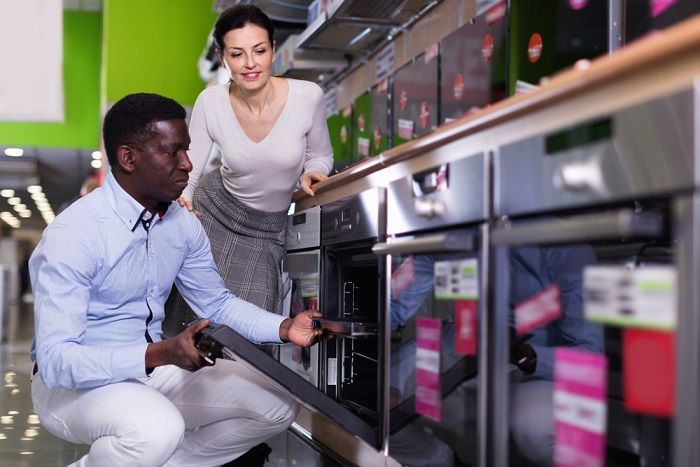
If you're building or renovating a high-end kitchen, the Dacor 30-Inch Panel-Ready Warming Drawer is the kind of appliance that makes the whole space feel cohesive. "Panel ready" means you can attach a custom cabinet panel to the front, so it blends seamlessly into your cabinetry — no appliance face sticking out awkwardly. With cutout dimensions of 28 1/2" W x 24" D x 9 1/8" H, it fits neatly into standard 30-inch base cabinet openings, which makes installation relatively straightforward if you're working with a contractor or doing a full kitchen build.
The electronic touchpad controls give you precise command over the temperature, letting you dial in exactly the right heat level for whatever you're keeping warm — whether that's a roast, rolls, or delicate sauces. Dacor is a premium American brand owned by Samsung, and the build quality reflects that premium positioning. The interior is spacious enough to hold large serving dishes, and the drawer glides smoothly thanks to quality hardware. If you're already investing in a wall oven or microwave combo, pairing it with this warming drawer creates a fully integrated cooking column that's both functional and beautiful.
One thing to keep in mind: being panel-ready does mean you'll need to source and install that custom panel separately, which adds a bit to the project cost. And at this price point, you're paying for fit and finish as much as raw performance. But if your kitchen demands appliances that look as good as they perform, the Dacor delivers in 2026.
Pros:
Cons:
Miele doesn't make appliances for the faint of wallet — but if you want the absolute best in European engineering for your warming drawer, the ContourLine ESW6780 is hard to argue with. This 30-inch model comes packed with features that you won't find on most competitors, starting with its fan-assisted convection heating system. Convection heat (meaning a fan circulates warm air evenly throughout the drawer) is a big deal when you're keeping a variety of dishes at different spots in the drawer — nothing gets cold corners or hot spots.
The built-in timer lets you set a specific warming duration, which is great for meal prep situations where you want food held for exactly an hour while you finish other dishes. What really sets the Miele apart is its Sabbath Program — a feature specifically designed for Jewish households observing the Sabbath, which requires appliances to operate without triggering certain electronic functions. This thoughtful inclusion reflects Miele's attention to the diverse needs of their customer base. According to Wikipedia's overview of warming drawers, these appliances typically maintain temperatures between 86°F and 194°F, and Miele's range fits squarely within that standard while offering precise control throughout.
The ContourLine styling — characterized by clean horizontal lines and a flush, minimal interface — looks stunning in a modern kitchen. Miele's build quality is legendary; these are appliances designed to last decades, not years. You're making a long-term investment here. The downside? That investment is significant. But if longevity and precision matter to you, this is the warming drawer to beat in 2026.
Pros:
Cons:
Not everyone needs a built-in warming drawer. If you're running a restaurant, bakery, hotel kitchen, or even doing large-scale catering, the VEVOR Commercial Electric Drawer Warmer is the workhorse you want. This freestanding stainless steel unit is built for commercial punishment — the kind of daily abuse that would wear out a residential appliance in months. The stainless steel construction isn't just for looks: it's rustproof, corrosion-resistant, and wear-resistant, which matters in a busy kitchen where surfaces get splashed, scrubbed, and banged constantly.
One of the standout features is the independent temperature and humidity control per drawer — you can keep your bread rolls at a different temperature and moisture level than your meat dishes, simultaneously. The wide temperature range of 85°F to 185°F gives you serious flexibility. At 85°F, you can gently proof dough or keep delicate pastries from drying out. At 185°F, you're firmly in "hold hot food safely" territory, well above the FDA's recommended minimum holding temperature of 140°F for hot foods. That range makes this unit genuinely versatile across a restaurant's entire menu. Just like how a good set of silicone oven mitts protects you from burn risks in commercial cooking environments, the right food-holding equipment protects your food quality and your customers.
The included full-size 12" x 20" x 4" stainless steel food pan is a thoughtful touch — it's the industry-standard "hotel pan" size used in professional kitchens everywhere, so it works with your existing equipment. The removable pan and stainless interior make cleanup fast, which is critical when you're turning over a commercial kitchen multiple times a day. If you're looking at this for home use, it's worth noting it's designed for commercial spaces — it's bulkier and more utilitarian than a built-in residential model. But for its intended purpose, it's an outstanding value in 2026.
Pros:
Cons:
Shopping for a warming drawer in 2026 means navigating a range of price points, installation types, and feature sets. Here's what actually matters when you're making your decision.
This is your first and most fundamental decision. Built-in warming drawers (like the Dacor and Miele) slide into a cabinet cutout and become a permanent part of your kitchen. They look polished, save counter space, and integrate with your appliance suite. The trade-off? They require professional installation, a compatible cabinet opening, and a higher upfront investment.
Freestanding warming drawers (like the VEVOR) sit on a counter or floor, plug into a standard outlet, and go to work immediately. No installation needed. They're ideal for commercial kitchens, rental properties, or anyone who wants flexibility. They won't look as sleek, but they're practical and portable.
Not all warming drawers heat to the same range, and the precision of the controls matters more than you might think. For food safety, the FDA recommends holding hot foods at 140°F or above. Make sure any warming drawer you buy can reliably reach and hold that temperature.
This is a feature that separates good warming drawers from great ones. Humidity control lets you adjust the moisture level inside the drawer. Low humidity keeps bread and pastries crispy. Higher humidity keeps meats and vegetables moist and prevents them from drying out and turning rubbery. If you plan to hold a variety of foods — especially over longer periods — humidity control is worth having.
Warming drawers come in standard widths — most commonly 24-inch and 30-inch. For most kitchens, a 30-inch model aligns with standard base cabinet widths and provides the most usable interior space. Before you buy, measure your cabinet opening carefully (width, depth, AND height) and compare against the appliance's cutout dimensions. Don't just go by the overall product dimensions — cutout dimensions are what actually matter for installation. If you're cooking for large groups, consider how many dishes you'll need to hold simultaneously. A single-drawer commercial unit might not cut it for a busy restaurant, but it's plenty for home holiday entertaining. You might also want to pair your warming drawer setup with a complete kitchen upgrade — explore the best undermount kitchen sinks for granite countertops if you're doing a full remodel.
Once you've nailed down the basics, here are the bonus features that can make a real difference in daily use:
A warming drawer is an appliance designed to hold cooked food at a safe, consistent temperature until you're ready to serve it. You can use it to keep dishes warm while the rest of the meal finishes cooking, to proof dough, to warm plates before serving, or — in commercial settings — to hold large quantities of prepared food safely for extended periods. It's different from a regular oven because it operates at lower, more consistent temperatures specifically designed for holding food without overcooking it.
For food safety, hot foods should be held at a minimum of 140°F (60°C) to prevent bacterial growth — this is the FDA's recommended minimum holding temperature for hot foods. For bread and pastries, lower temperatures around 150°F–170°F work well. For meats and casseroles, 165°F–185°F keeps things hot enough while preventing drying. Most residential warming drawers give you a range of roughly 80°F to 200°F, giving you flexibility across different food types.
Technically you can use a warming drawer to slow-cook certain items at very low temperatures, but they're not designed as primary cooking appliances. Warming drawers are optimized for holding already-cooked food at a safe temperature, not for actually cooking raw food. Using one as a slow cooker could produce inconsistent results and potential food safety issues. Stick to its intended purpose — keeping prepared food warm — for the best and safest results.
For people who frequently cook large meals, entertain guests, or run a food service operation, yes — absolutely. A warming drawer solves a real, frustrating problem: keeping multiple dishes hot simultaneously while everything comes together. For occasional cooks or small households, you might find a covered dish or oven on its lowest setting does the job well enough. But if cold food at dinner is a recurring complaint in your household, a warming drawer pays for itself in convenience very quickly.
They can, if used at too high a temperature or for too long without humidity control. That's why humidity adjustment is such a valuable feature — by adding moisture to the drawer environment, you prevent foods from losing moisture and becoming tough or chewy. Covering dishes with foil also helps retain moisture in drawers without humidity controls. As a general rule, try not to hold food for more than 1–2 hours even in a warming drawer, as quality does degrade over time regardless of temperature management.
A warming drawer holds cooked food at serving temperature, while a proofing drawer is specifically designed to hold raw dough at the low, consistent warmth (typically around 75°F–95°F) needed for yeast to activate and dough to rise. Many modern warming drawers include a proofing mode or low enough temperature settings to double as a proofing drawer. If you bake bread regularly, look for a warming drawer that specifies a proofing function or has a low enough minimum temperature (around 80°F–85°F) to work for dough proofing.
The right warming drawer can genuinely transform how you cook and entertain — no more cold plates, no more staggered meals where some dishes are perfect and others have gone lukewarm. Whether you're investing in a premium built-in like the Dacor or Miele for a luxury kitchen renovation, or grabbing the VEVOR for a commercial kitchen that needs reliable, high-volume food holding, there's a solid option for every situation in 2026. Take stock of your space, your budget, and how you actually cook, then pick the one that fits your real life — and get back to enjoying your food while it's still hot.
 |
 |
 |
 |

About Rick Goldman
Rick Goldman grew up traveling the Pacific Coast and developed an early appreciation for regional and international cuisines through exposure to diverse food cultures from a young age. That culinary curiosity shaped his approach to kitchen gear — he evaluates tools based on how well they perform across different cooking styles, ingredient types, and meal occasions. At BuyKitchenStuff, he covers kitchen equipment reviews, recipe guides, and food-focused buying advice.
