Kitchen Gadgets & Equipment Reviews ›
by Rick Goldman
What's the secret to restaurant-quality pizza at home in 2026? It starts with the right equipment. Whether you're dreaming of a blistered Neapolitan crust fresh from a 950°F wood-fired oven or a quick weeknight pie from a countertop appliance, the pizza maker you choose will make or break the experience. There are more options on the market than ever — outdoor wood-fire ovens, gas-powered units, sleek electric countertop models — and picking the wrong one means mediocre crusts and wasted money.
We've dug into the specs, real-world reviews, and hands-on performance of today's top pizza ovens to help you cut through the noise. From the powerhouse Ooni Karu 2 Pro that reaches 950°F and cooks a pizza in 60 seconds, to the compact indoor PIEZANO that heats to 800°F on your countertop, this guide covers the full spectrum. If you're still getting familiar with pizza-making fundamentals, pairing your oven with a quality pastry mat for rolling dough is a great place to start.
Explore our full pizza maker reviews collection for even more options. But right now, let's break down the seven best pizza ovens and makers worth your money this year — with honest pros, cons, and everything in between to help you decide.

Contents


If you want the ultimate outdoor pizza experience in 2026, the Ooni Karu 2 Pro is hard to beat. This beast of an oven runs on wood or charcoal straight out of the box, giving you that authentic smoky, wood-fired flavor with zero compromise. Add the optional gas burner attachment (sold separately) and you've got maximum flexibility — ideal for both backyard pizza parties and solo weeknight cooking sessions.
The Karu 2 Pro hits 950°F (500°C) in just 15 minutes, and once it's up to temp, you're looking at a fully cooked 16-inch pizza in 60 seconds flat. That's not a marketing gimmick — that's the kind of intense, dry heat that creates authentic Neapolitan-style pizza with a properly charred crust, airy cornicione (the puffy rim), and perfectly melted toppings. The integrated thermometer takes out the guesswork so you always know when you're in the cooking zone.
With a 17-inch-wide cooking surface and 5.4 inches of internal height, this is also one of the more spacious backyard ovens on the market. You're not just limited to pizza either — roast meats, vegetables, bread, and more all work in this oven. Build quality is solid throughout, with premium materials that hold up to outdoor conditions season after season.
Pros:
Cons:
Want wood-fired pizza flavor without being tied to your backyard? The Ooni Karu 12 is the most portable serious pizza oven in this roundup. At just 26.4 lbs, it's light enough to toss in your car for camping trips, tailgates, or beach cookouts. Fold down the legs, remove the chimney, and you've got a compact oven ready for adventure — without giving up performance.
Don't let the smaller size fool you. The Karu 12 still hits 950°F and cooks a 12-inch pizza in 60 seconds. The redesigned fuel tray maximizes airflow for a powerful blast of searing flame, so you get that same crispy, stone-baked texture you'd expect from a much larger oven. It works with wood or charcoal out of the box, and you can add the Ooni Gas Burner attachment separately if you prefer the convenience of propane.
The main trade-off versus the Karu 2 Pro is size — you're capped at 12-inch pizzas here, which might feel limiting if you're cooking for a crowd. But for solo cooks, couples, or small families who want authentic pizza anywhere they go, the Karu 12 is a seriously capable oven that punches well above its weight class.
Pros:
Cons:
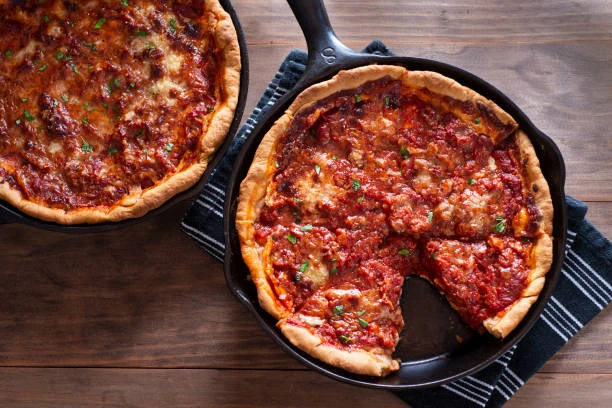
If you want authentic wood-fired-style pizza without leaving your kitchen, the Breville Pizzaiolo is genuinely in a class by itself for countertop ovens. It reaches 750°F — far hotter than a standard kitchen oven's 500°F ceiling — which means you can actually achieve a crispy, charred crust with perfectly melted cheese in about two minutes. That's the kind of result you'd normally only get at a pizzeria.
What makes the Pizzaiolo stand out is Breville's Element IQ system. It's a smart heating technology that automatically adjusts where and how much heat is applied based on the cooking style you've selected. You get five preset cooking modes — Wood Fired, New York, Pan, Thin and Crispy, and Frozen — and each one is calibrated to deliver the right result for that specific pizza style. No guesswork, no burned edges, no soggy centers.
The brushed stainless steel finish looks premium on any countertop, and the build quality matches. This is clearly a long-term investment piece. The main drawback is the price — the Pizzaiolo is one of the more expensive countertop options on the market. But if indoor convenience and consistent, pizzeria-quality results are your priorities, it's worth every penny. If you also enjoy fresh pasta nights, check out our guide to the best pasta rollers to round out your Italian cooking setup.
Pros:
Cons:
The Cuisinart CPZ-120MB hits a sweet spot that a lot of home cooks are looking for: solid indoor pizza performance at a much more approachable price than the Breville. It reaches up to 700°F and can bake a full 12-inch Neapolitan-style pizza in 5 minutes or less. Yes, that includes styles like deep dish, Detroit, and New York — this isn't a one-trick pony.
One thing you'll appreciate immediately is the large viewing window with an interior light. You can watch your pizza cook in real time without cracking the door and losing heat — a small detail that makes a real difference. The temperature range runs from 350°F to 700°F, which gives you plenty of control whether you're doing a slow-baked thick crust or a quick high-heat Neapolitan.
The matte black stainless steel finish is sleek and modern, and the overall build is exactly what you'd expect from Cuisinart — reliable, straightforward, and built to last. Preheating takes 20 to 30 minutes, which is longer than some competitors, so plan accordingly. But if you want genuine 700°F indoor pizza results without spending premium-oven money, this is an excellent choice for everyday use in 2026.
Pros:
Cons:
If the thought of managing wood and charcoal sounds like more work than fun, the Solo Stove Pi Prime is your gas-powered shortcut to great outdoor pizza. It preheats in just 15 minutes, cooks a pizza in as little as 90 seconds, and runs entirely on propane — no fuel management, no ash cleanup, just clean and consistent heat every time.
The demi-dome design (a half-dome interior shape) is what makes this oven so efficient. It reflects heat down onto the cooking surface more evenly than a full dome, which means better heat distribution and fewer hot spots. The cordierite stone cooking surface absorbs and radiates heat beautifully — the same type of material used in professional pizza ovens — so your crust comes out crispy on the bottom and properly baked throughout.
The front-facing temperature control dial gives you precise flame adjustment, and because it's propane-powered, you have a consistent fuel source wherever you cook. It's compact enough to move around easily, making it a great fit for outdoor kitchens, patios, and camping setups. For gas-powered outdoor pizza, the Pi Prime strikes an excellent balance of performance, convenience, and portability in 2026.
Pros:
Cons:
The Gozney Arc is one of the most impressive outdoor gas pizza ovens you can buy in 2026, and it earns its reputation on one key factor: exceptional heat retention that keeps going pizza after pizza. The removeable 20mm stone floor (the thick stone base where your pizza sits) combined with dense two-layer insulation lets this oven reach and hold 950°F (500°C) through multiple consecutive bakes — without the temperature dropping between pizzas like it can on cheaper ovens.
The innovative lateral rolling flame system is what really sets the Arc apart. Instead of a standard burner, Gozney's burner design sends flame rolling along the inside of the dome in a way that mimics a traditional wood-fired oven. The result is remarkably even heat distribution — your 14-inch pizza cooks in 60 seconds with consistent browning across the entire surface. It's genuinely impressive to watch.
The precision flame control is intuitive and responsive, making it easy to dial in exactly the heat level you need. Beyond pizza, the Arc handles steak, fish, and vegetables with ease — if you want a true outdoor high-heat cooking station, this delivers. The off-black finish looks sharp and holds up well outdoors. If you also use olive oil in your pizza recipes, our roundup of the best olive oil sprayers is worth a look for even, controlled drizzling.
Pros:
Cons:
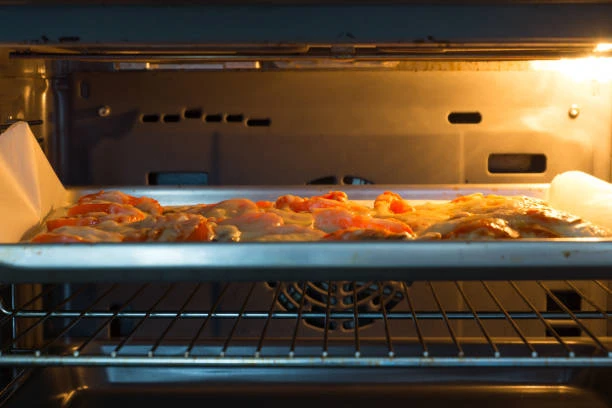
The PIEZANO is one of the most popular electric pizza makers on the market for good reason — it's affordable, compact, and genuinely beats what your regular kitchen oven can do. Standard home ovens max out around 450–500°F, which is why homemade pizza so often comes out soft and pale. The PIEZANO heats up to 800°F, which is hot enough to produce a properly crispy, charred crust in under 6 minutes.
The 12-inch natural ceramic stone surface distributes heat evenly across the entire pizza bottom, which is the key to avoiding that dreaded undercooked center. The ceramic stone is also removable for easy cleaning after you're done — a thoughtful design detail. Dual heat controls let you independently adjust the top and bottom heat levels, giving you real control over how your crust and toppings cook.
It even comes with a pizza peel and scraper right in the box, so you're ready to cook without extra purchases. For apartment dwellers, first-time pizza makers, or anyone who just wants a capable electric option without breaking the bank, the PIEZANO delivers solid results and real value. It's not a replacement for a professional-grade outdoor oven, but for quick homemade pizza nights, it absolutely gets the job done in 2026.
Pros:
Cons:
With so many options across indoor, outdoor, gas, wood, and electric categories, choosing the right pizza oven can feel overwhelming. Here's what actually matters when you're making your decision.
This is the first and biggest decision you'll make. Outdoor pizza ovens like the Ooni and Gozney models reach much higher temperatures (up to 950°F) because they're not limited by indoor safety requirements. That extreme heat is what creates authentic Neapolitan-style pizza with a properly blistered crust. They're ideal if you have a patio, backyard, or outdoor kitchen.
Indoor countertop ovens like the Breville Pizzaiolo, Cuisinart, and PIEZANO are limited to 700–800°F — still far hotter than a standard kitchen oven, but not quite the same as a wood-fired outdoor unit. They're perfect for apartment living, cold climates, or anyone who wants pizza-oven results without going outside.
Fuel type affects flavor, convenience, and cooking experience significantly. Understanding the history and regional styles of pizza can help you decide what kind of results you're chasing — and which fuel gets you there.
Pizza oven capacity is measured by the largest pizza diameter it can fit. This matters more than you might think, especially for cooking for groups.
If you regularly cook for 4 or more people, a larger cooking surface will save you time — you won't need to make as many consecutive pizzas to feed everyone.
Temperature is everything in pizza making. The difference between 500°F (a standard oven) and 900°F (a dedicated pizza oven) is the difference between a pale, bready crust and a properly charred, airy one. Here's a quick breakdown of what to expect from each temperature range:
Also factor in preheat time — most outdoor ovens need 15 minutes, while indoor countertop models can take 20–30 minutes. If you want pizza fast on a weeknight, a shorter preheat time matters. Making your own dough? A quality set of induction cookware for your sauce and a good pastry mat for shaping make the whole process smoother from start to finish.

Authentic Neapolitan-style pizza requires temperatures of at least 850–950°F (450–500°C). At this heat, a pizza cooks in just 60–90 seconds, creating the characteristic charred spots (called "leoparding"), airy crust, and perfectly melted toppings. Standard home ovens only reach 500°F, which is why a dedicated pizza oven — outdoor models like the Ooni Karu 2 Pro or Gozney Arc — makes such a big difference for this style.
It depends on the oven. Electric countertop pizza ovens like the Breville Pizzaiolo, Cuisinart CPZ-120MB, and PIEZANO are specifically designed for indoor use and are completely safe inside. Outdoor pizza ovens that burn wood, charcoal, or propane — like the Ooni and Solo Stove models — must never be used indoors. They produce carbon monoxide and require proper ventilation that indoor spaces simply can't provide.
The main difference is maximum temperature. A standard kitchen oven tops out around 500°F, while a dedicated pizza oven can reach 700–950°F depending on the model. That extra heat is what creates a crispy, charred bottom crust and properly cooked toppings in minutes rather than 10–15 minutes. Pizza ovens also typically use stone surfaces (cordierite or ceramic) that absorb and radiate heat more effectively than metal oven racks.
Most outdoor pizza ovens — including the Ooni Karu 12, Ooni Karu 2 Pro, Solo Stove Pi Prime, and Gozney Arc — preheat to cooking temperature in about 15 minutes. Indoor countertop ovens typically take longer: the Breville Pizzaiolo preheats in about 15–20 minutes, while the Cuisinart CPZ-120MB takes 20–30 minutes. Always let the stone fully preheat before launching your first pizza for the best results.
Both produce excellent pizza — the choice comes down to flavor preference and convenience. Wood-fired ovens add a subtle smoky taste to the crust that many pizza purists prefer. Gas ovens offer consistent, controllable heat with no fuel prep or ash cleanup. If you want the best of both worlds, a multi-fuel oven like the Ooni Karu 12 or Karu 2 Pro lets you switch between wood and gas depending on the occasion.
That depends on how many people you're feeding. A 12-inch oven (like the Ooni Karu 12, PIEZANO, or Cuisinart) works well for 1–2 people per pizza. If you regularly cook for 3–4 people, a 14-inch oven like the Gozney Arc gives you a bit more room. For large gatherings and backyard parties, the Ooni Karu 2 Pro's 17-inch cooking surface (fits 16" pizzas) is the best choice — you'll need to make fewer pizzas in sequence to feed a crowd.
 |
 |
 |
 |

About Rick Goldman
Rick Goldman grew up traveling the Pacific Coast and developed an early appreciation for regional and international cuisines through exposure to diverse food cultures from a young age. That culinary curiosity shaped his approach to kitchen gear — he evaluates tools based on how well they perform across different cooking styles, ingredient types, and meal occasions. At BuyKitchenStuff, he covers kitchen equipment reviews, recipe guides, and food-focused buying advice.
