by Daisy Dao
The best answer to what to serve with quiche is a simple one: a crisp green salad, a light warming soup, or a slice of crusty bread — these sides balance the richness of the eggy filling without overwhelming it. Quiche moves easily between brunch, lunch, and casual dinner, which means your pairing choices shape the feel of the entire meal. You can also browse the side dishes section here for more pairing ideas across a range of savory mains.
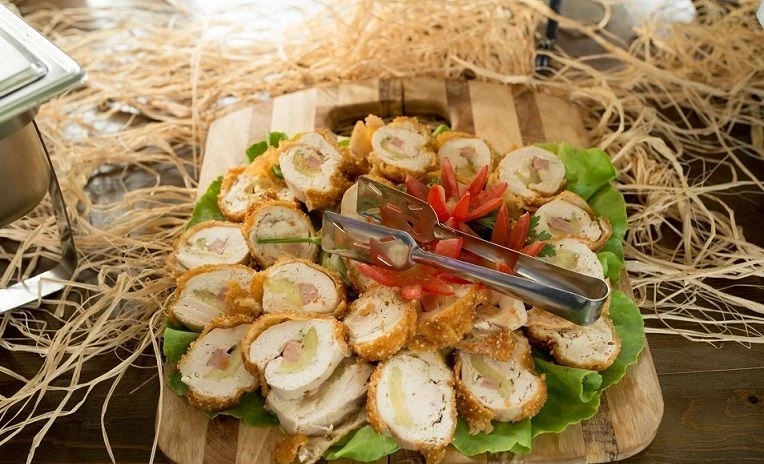
Choosing the right accompaniments isn't complicated once you understand what you're working with. Quiche is dense, savory, and rich — the custard filling is high in fat and protein, and the pastry shell adds a buttery, starchy base. That means the sides you choose should ideally bring some brightness, acidity, freshness, or textural contrast to the table. Get that balance right and you end up with a meal that feels complete and satisfying rather than heavy or one-dimensional.
In this guide, you'll find a breakdown of the best side dishes and drinks to serve alongside quiche, a quick comparison table, practical advice for different budgets and skill levels, tips for avoiding common mistakes, and guidance on storing and reheating everything properly so nothing goes to waste.
Contents
Quiche has its roots in French cuisine — specifically in the Lorraine region — and the classic version, quiche Lorraine, traditionally combines lardons, Gruyère cheese, eggs, and cream in a shortcrust shell. From that starting point, the dish spread widely and evolved into dozens of variations: spinach and feta, smoked salmon and dill, mushroom and brie, and many others. Understanding this background helps you understand why pairings work the way they do. A dish built on eggs, cream, and pastry carries a lot of richness, which means the most effective sides are almost always those that cut through that richness rather than compound it.
Not every quiche needs the same treatment when it comes to sides. A bacon and cheddar quiche is significantly richer than a vegetable-forward version with zucchini and herbs, and a seafood quiche with delicate flavors calls for different accompaniments than a spiced chorizo and pepper version. Before you decide on your sides, take a moment to think about what's actually in the quiche. The filling should be your primary guide — richness calls for acidity and freshness, while lighter fillings can handle slightly heartier companions. This one habit makes a noticeable difference in how the finished meal comes together.
The occasion shapes everything from how many sides you need to how formally you should present them. A weekday lunch for two doesn't need more than one well-chosen side dish and a drink. A weekend brunch for guests benefits from two or three sides, something sweet, and a thoughtfully chosen beverage. A dinner party warrants a fuller spread with a starter, salad, and something alongside the quiche itself. Calibrating the number of sides to the formality of the event prevents over-preparation and keeps the meal from feeling chaotic or cluttered.
If your quiche includes bold herbs like thyme, tarragon, or rosemary, neutral sides tend to work best — they let the herb flavors carry the meal without creating a flavor clash. For cheese-heavy quiches, something with acidity, such as a lemon-dressed arugula salad or a tomato-based soup, does the work of cutting through the fat and giving the palate a reset between bites. If you're working with an herb-forward filling and need to make a substitution, this guide to substitutes for thyme covers the most reliable swaps that maintain the spirit of the original flavor. When the quiche has a lighter filling — vegetables or seafood — you have more flexibility and can lean toward heartier sides without throwing the meal out of balance.
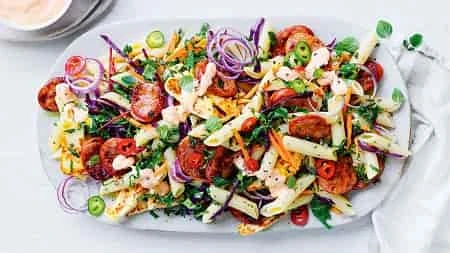
A green salad is the single most reliable pairing for quiche across any occasion and any filling. The crunch, color, and acidity of a well-dressed salad contrast directly with the soft, rich texture of the custard, and a sharp vinaigrette does more to balance a rich quiche than almost any other pairing. Avoid creamy dressings like ranch or Caesar, which add fat on top of fat and make the meal feel heavier than it needs to be.
If you're thinking about how to build a more nutritionally balanced plate around quiche, it's worth reading through the guide on what to eat or avoid for a healthy diet, which covers useful principles around fat, fiber, and protein that apply directly to planning meals built around rich dishes.
A small cup of soup served alongside a wedge of quiche is a classic bistro-style pairing that works well at both lunch and dinner. The key is keeping the soup light and relatively simple — clear broths, tomato-based soups, and pureed vegetable bisques are the strongest options because they don't add heaviness to an already rich main.

Tomato soup works particularly well alongside quiche because its acidity and gentle sweetness offer a counterpoint to the egg-and-cream base. For something with more body but still relatively simple to prepare, a potato soup can serve as a satisfying companion — this easy crockpot potato soup with frozen hash browns is a low-effort option that holds up well as a side, though you'd want to serve it in a smaller cup portion rather than a full bowl to avoid overshadowing the quiche.

Vegetable bisque is another strong choice — smooth, pureed, and lighter than a cream-heavy chowder, it sits comfortably alongside quiche without tipping the meal into excess. Roasted red pepper bisque and leek-and-potato bisque are both well-matched options that complement egg-based dishes with their naturally earthy, rounded flavors.
Crusty bread brings a textural contrast that quiche genuinely benefits from. The chew of a good sourdough or the crunch of a baguette crust sets itself apart from the soft custard filling, and a slice of bread also gives you something to mop up salad dressing or soup — useful in a multi-course spread. Plain or lightly flavored breads work best; heavily spiced or very seedy loaves can compete with the flavors in the quiche rather than supporting them.

Sourdough, a French baguette, and soft dinner rolls are all good choices. If you want to add a little interest without much extra effort, a small dish of herb butter or a pot of whole-grain mustard on the side gives guests something to work with without cluttering the flavor profile of the meal.
For brunch settings in particular, fresh fruit or a fruit salad is an excellent addition to the table. The natural sweetness and acidity of fruit cuts cleanly through the richness of the custard filling, adds visual color and brightness, and gives the meal a lighter, more celebratory feel overall. Berries, citrus segments, melon, and grapes all work well individually or combined.
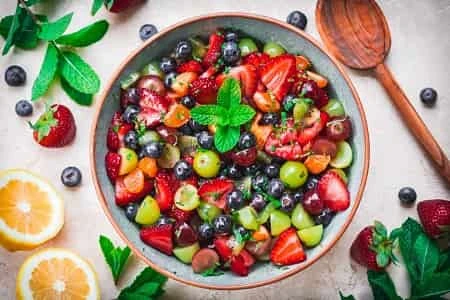
A mixed berry bowl is one of the easiest and most visually striking additions you can make to a quiche spread. Berries require almost no preparation beyond rinsing, and their tartness provides an immediate counterpoint to the savory, creamy filling. Strawberries, raspberries, blueberries, and blackberries work individually or in combination, and a squeeze of lemon juice over the top brightens the whole bowl significantly.

The drink you serve alongside quiche does more work than most people realize. A well-chosen beverage can lift the whole meal, while a poor choice — especially something very sweet — can flatten the flavors and make the quiche taste blander than it actually is. For non-alcoholic options, iced tea with lemon is a reliable classic, particularly for brunch and lunch menus.

Coffee is another natural companion for quiche at brunch, especially with heartier fillings. The slight bitterness of a well-brewed cup counteracts the creaminess of the custard and prevents the meal from feeling too heavy. For evening meals, a dry white wine such as a Sauvignon Blanc or unoaked Chardonnay pairs well without competing with the flavors in the filling.

Pro tip: Avoid very sweet drinks like fruit juice or soda alongside quiche — the sugar clashes with the savory filling and tends to mute the more subtle flavor notes you'd otherwise notice.
Not all sides are equally suited to every type of quiche or every occasion. The table below gives you a quick reference for the most common pairings, how much effort they require, and which quiche styles they suit best so you can plan your spread with confidence.
| Pairing | Best Occasion | Works With | Flavor Role | Prep Effort |
|---|---|---|---|---|
| Green salad with vinaigrette | Brunch, lunch, dinner | Any quiche filling | Acidity, crunch, brightness | Low |
| Tomato soup | Lunch, dinner | Cheese, vegetable quiches | Acidity, warmth, contrast | Low–Medium |
| Vegetable bisque | Lunch, dinner party | Light or herb-forward quiches | Earthy, smooth complement | Medium |
| Crusty bread or baguette | Any | Any quiche filling | Texture, neutral base | Very Low |
| Fresh fruit salad | Brunch | Any quiche filling | Sweetness, acidity, color | Very Low |
| Mixed berry bowl | Brunch, light lunch | Cheese, spinach quiches | Tart contrast, freshness | Very Low |
| Iced tea or sparkling water | Brunch, lunch | Any quiche filling | Refreshing, palate-cleansing | Very Low |
| Dry white wine | Dinner, dinner party | Salmon, cheese, vegetable quiches | Brightness, dry contrast | Very Low |
If you're new to hosting or just want to get a good result without spending a lot of time in the kitchen, keep the pairings simple and focus on quality rather than complexity. A bag of pre-washed mixed greens dressed with olive oil, lemon juice, salt, and pepper is genuinely all you need alongside a well-made quiche. Add a loaf of good bakery bread and you have a complete, presentable meal with almost no additional effort. For beverages, a pitcher of iced tea or sparkling water with lemon slices covers everyone and requires no special preparation.
If you're comfortable in the kitchen and want to create a more memorable spread, there's plenty of room to elevate each element. A homemade endive and walnut salad with a classic Dijon vinaigrette gives the meal a distinctly French sensibility that suits quiche beautifully. A homemade tomato bisque or leek-and-potato soup served in small cups as a starter adds structure and warmth to the spread. You might also consider the cheese dimension — understanding the difference between blue cheese and Gorgonzola can help you make more deliberate choices if you're building a cheese board or incorporating cheese into a side salad.
Worth noting: Even a simple quiche spread looks polished when you pay attention to temperature — serve the salad cold, the soup warm, and the quiche itself at room temperature or just slightly warm rather than piping hot straight from the oven.
One of the most common errors when serving quiche is trying to pair it with too many sides at once. Because quiche is already a complete dish in itself — protein, fat, pastry, and often vegetables — it doesn't need a heavy roster of accompaniments. When you serve it alongside a starchy side like roasted potatoes AND a rich soup AND a creamy salad, the cumulative effect is a meal that feels sluggish and too heavy. One or two sides chosen with intention will always outperform three or four chosen without it. Less really is more when the main course is this rich.
Temperature management is something many home cooks overlook when planning a quiche meal, but it has a significant effect on how the whole spread comes together. Quiche actually tastes best served warm or at room temperature — not straight from the oven, and certainly not ice cold from the fridge. If you're serving it alongside a cold salad and a warm soup, time your plating so that each element is at its intended temperature when it hits the table. A quiche that has been sitting cold for an hour before serving will taste denser and less flavorful than one that has had 20–30 minutes to come toward room temperature after baking or reheating.
Serving a good quiche meal doesn't require an expensive grocery run. Some of the most effective pairings are also the most affordable, and with a little planning you can put together a complete spread without spending much at all. A bag of mixed greens, a lemon, and a bottle of olive oil are all you need for the salad. A baguette from the bakery section of most grocery stores costs very little and elevates the plate significantly. Seasonal fruit — whatever is on sale — rounds out the meal with color and freshness without adding to the cost in any meaningful way.
Stepping up the budget a little opens the door to pairings that feel more considered and special without requiring professional cooking skills. A homemade vegetable bisque using roasted vegetables is a noticeable step up from canned soup, and the difference in flavor is substantial. Artisan sourdough bread from a local bakery costs a little more than a standard loaf but adds a quality that guests notice. For a premium touch, a small cheese board alongside the quiche — featuring two or three complementary cheeses, some nuts, and a little honey — transforms a simple lunch into something that feels genuinely special and guest-worthy.
Leftover quiche stores well in the refrigerator for up to three to four days when wrapped tightly or placed in an airtight container. Avoid storing quiche uncovered in the fridge — the exposed pastry will absorb odors and the custard surface will dry out and develop an unpleasant texture. To reheat, a low oven (around 300°F / 150°C) for 15–20 minutes preserves the texture better than a microwave, which tends to make the custard rubbery. If you're reheating a single slice, wrap it loosely in foil to prevent the edges of the pastry from drying out further.
Most of the side dishes that pair well with quiche don't store particularly well once assembled, so it's worth planning your quantities to avoid excessive leftovers. Dressed salad wilts quickly and should be consumed the same day. Soup stores well for three to four days in the fridge and actually improves slightly as the flavors meld. Bread is best on the day of purchase but can be refreshed in a warm oven for a few minutes. For overall fridge organization and reducing waste when you have multiple items to store, this guide to organizing your fridge and reducing food waste has practical advice that applies directly to managing the aftermath of a larger spread or brunch gathering.
You can serve quiche cold, but it tastes significantly better at room temperature or slightly warm. Cold quiche can feel denser and the pastry loses some of its texture, so if you have the time, let refrigerated quiche sit out for 20–30 minutes before serving or warm it briefly in a low oven.
A simple green salad dressed with a sharp vinaigrette — lemon and olive oil or a classic French Dijon dressing — is the most universally effective choice. Arugula, mixed greens, and endive all work well, and the key is to keep the dressing light and acidic rather than creamy.
Quiche is one of the most practical brunch dishes you can make because it can be prepared ahead, serves a group easily, and pairs naturally with brunch staples like fruit salad, coffee, and light salads. It also holds well at room temperature, which makes it easy to manage when you're hosting multiple guests.
Tomato soup and vegetable bisque are the two most consistently effective choices because their acidity and smooth texture contrast nicely with the rich custard filling. Serve the soup in a small cup rather than a full bowl so the quiche remains the center of the plate.
Plain sourdough, a French baguette, and soft dinner rolls all pair well with quiche. Avoid heavily flavored breads with strong spices or seeds that might compete with the quiche filling. The goal is a neutral, textural contrast rather than an additional flavor statement.
For non-alcoholic options, iced tea with lemon and sparkling water with citrus are both excellent. If you're serving quiche at dinner, a dry white wine such as Sauvignon Blanc or an unoaked Chardonnay is a reliable pairing. Coffee works well at brunch. Avoid very sweet beverages, which can dull the savory notes in the quiche.
Place the quiche in a low oven — around 300°F (150°C) — and cover it loosely with foil to retain moisture. Heat for 15–20 minutes for a full quiche or 10–12 minutes for an individual slice. Avoid the microwave if you can, as it tends to make the custard rubbery and the pastry soft rather than crisp.
Knowing what to serve with quiche comes down to one guiding principle: choose sides that bring contrast to the richness of the filling, and keep the overall spread simple enough that the quiche remains the focus. Start with one or two of the pairings from this guide — a dressed green salad and a slice of crusty bread are genuinely all you need for a satisfying meal — and build from there as your confidence grows. If you want to explore more side dish ideas beyond quiche, browse the full side dishes collection and find your next pairing.
 |
 |
 |
 |

About Daisy Dao
Daisy Dao grew up in Honolulu, Hawaii, where coastal living and access to fresh local ingredients shaped her approach to home cooking from an early age. She has spent years experimenting with seafood preparation, healthy cooking methods, and ingredient substitutions — developing hands-on familiarity with a wide range of kitchen tools, techniques, and produce. At BuyKitchenStuff, she covers healthy recipes, cooking techniques, and ingredient substitution guides.
Check for FREE Gifts. Or get our Free Cookbooks right now.
Disable the Ad Block to reveal all the recipes. Once done that, click on any button below
|
|
|
|
