by Rick Goldman
Adults in the U.S. catch an average of 2 to 3 colds per year, according to the CDC — and every single time, the same question surfaces: what to eat when you have a cold? The answer matters more than most people realize. What you put in your body during those miserable sick days can either support your immune system or drag out your recovery. If you're exploring the health side of cooking, understanding how food affects illness is one of the most practical places to start.

You don't need exotic superfoods or a complicated meal plan. Some of the most effective cold-fighting foods are already sitting in your kitchen. From hot broth to zinc-rich snacks, the right choices ease your symptoms, keep you hydrated, and give your body the raw materials it needs to fight back harder.
This guide breaks down the best foods to eat, what to skip, how to prepare a simple recovery meal, and which kitchen tools make sick-day cooking as painless as possible. Whether you're looking after yourself or someone else in the house, this is the practical, no-nonsense breakdown you need.
Contents
Before you open the refrigerator, it helps to understand what's actually going on inside your body. A cold is caused by a virus — most often the rhinovirus — and your immune system responds by triggering inflammation. That inflammatory response is what causes most of your symptoms: the runny nose, scratchy throat, deep fatigue, and low-grade fever that make you want to lie on the couch all day.
When you're sick, your body redirects energy toward fighting the infection. That often means your appetite drops significantly. It's a normal biological response, not a sign that you shouldn't eat. Skipping meals entirely, though, deprives your immune system of the nutrients it needs most.
Research consistently shows that specific nutrients play a direct role in immune function. Vitamin C, zinc, and antioxidants are the most studied and the most relevant when you're fighting a cold. You can explore more general principles around nutrition in this overview on what to eat or avoid for a healthy diet.
The key nutrients to prioritize when you're sick:
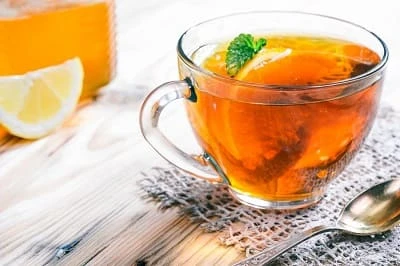
The list of genuinely helpful cold foods is shorter and simpler than most people expect. Almost all of them are cheap, widely available, and easy to prepare even when you're running on zero energy. Here are the standouts.
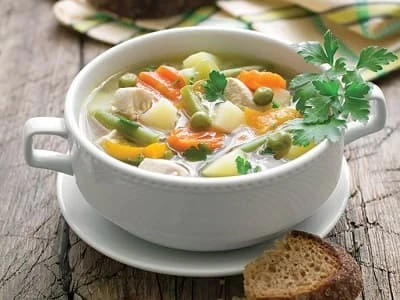
Chicken soup is not just a comfort myth. Studies have shown that hot chicken broth can slow the movement of neutrophils — the immune cells responsible for the congestion and inflammation in your upper airways. It hydrates you, delivers electrolytes, and is easy to make in large batches.
Other fluids to lean on heavily:
If you're looking for something more filling and still easy to prepare, an easy crockpot potato soup is a warming, low-effort option for when you're already feeling drained but need real food.
Fresh produce delivers the vitamins and antioxidants your immune system craves. Not all produce is equal here — prioritize the ones with the highest nutrient density:
Inflammation drives most cold symptoms. Eating anti-inflammatory foods won't cure the virus, but it can reduce the severity of how you feel day to day.
Pro tip: Add a half-teaspoon of turmeric and a small knob of grated ginger to any broth or tea — it takes 30 seconds and delivers a meaningful anti-inflammatory boost without changing the flavor significantly.
Not every cold plays out the same way. Targeting your food choices to match your dominant symptoms gives you a better result than a generic approach. Here's how to match what you eat to what's bothering you most.
Your goal is to coat and soothe irritated tissue without making swallowing more painful. Think along the same lines as what to eat after wisdom teeth removal — many of the same soft, non-abrasive foods apply.
Steam and aromatic ingredients are your best tools here. Hot foods and spicy additions help loosen mucus and temporarily open airways so you can actually breathe.
When fever and fatigue arrive together, your body is burning more calories than normal. Focus on easy-to-digest, calorie-dense foods that don't require much energy to process — the goal is fuel, not feast.
What you avoid is just as important as what you eat. Some foods actively interfere with recovery by promoting inflammation, disrupting sleep quality, or worsening dehydration when your body is already running low on fluids.
Dehydration is one of the biggest risks when you're sick, and several popular drinks make this problem worse, not better.
The old saying "feed a cold, starve a fever" has been circulating for centuries. Modern nutrition science offers a more nuanced picture — the temperature and texture of your food matters less than the nutrients it contains, but food temperature does affect specific symptoms. Here's a direct comparison of how different food approaches perform across common cold scenarios.
| Food Type | Best Symptom Match | Key Benefit | Watch Out For |
|---|---|---|---|
| Hot soups and broths | Congestion, fatigue, sore throat | Steam decongests; broth hydrates and delivers electrolytes | Excess sodium in canned or packaged versions |
| Cold foods (popsicles, ice chips, cold yogurt) | Sore throat, fever | Numbs throat pain; helps lower elevated body temperature | High sugar content; dairy may thicken mucus |
| Room-temperature soft foods | Nausea, upset stomach, low appetite | Easiest to digest; least likely to trigger a gag reflex | Doesn't provide the decongestant benefit of steam |
| Spicy foods | Congestion, blocked sinuses | Temporarily clears nasal passages via capsaicin and allicin | Can irritate an already-inflamed sore throat |
| Smoothies and blended fruits | Low appetite, fatigue, fever | Nutrient-dense and easy to consume without chewing effort | High natural sugar if using fruit juice as the base |
Hot foods generally win for most cold symptoms, particularly congestion and fatigue. Cold foods have a specific and legitimate role for sore throats and fever reduction. The most effective approach is to match food temperature to your current dominant symptom rather than committing to one approach throughout the illness.
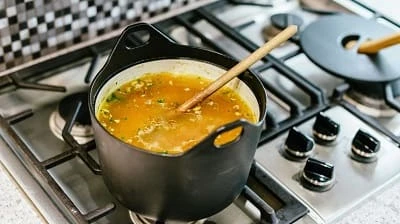
You don't need a complicated recipe to get the full benefits of a sick-day soup. This basic approach works for any broth-based soup and takes roughly 20 minutes from start to finish — manageable even on your worst cold day.
A slow cooker makes this even easier. Load everything in the morning, set it to low, and come back to fully developed broth several hours later with zero standing time required.
When you're sick, a complicated cooking process is the last thing you want to deal with. The right kitchen tools cut effort dramatically and make nutritious food accessible even when your energy is near zero. You don't need a fully equipped kitchen — just a few well-chosen items.
Yes, and there's real science behind it. Research suggests hot chicken soup can temporarily slow the movement of neutrophils — the immune cells involved in upper respiratory inflammation. It also provides hydration, electrolytes, and a mild anti-inflammatory effect from the combination of vegetables, protein, and hot broth. It's one of the few home remedies that has genuine clinical backing.
Try to eat something even when your appetite has disappeared. Your immune system needs a steady supply of energy and micronutrients to fight the virus effectively. Focus on small, easy-to-digest options — broth, a banana, plain toast, or yogurt — rather than forcing full meals. If eating feels genuinely impossible, prioritize hydration above everything else until your appetite starts to return.
Soft, non-abrasive foods are the priority. Cold foods like popsicles, ice chips, and chilled yogurt numb the throat and temporarily reduce pain. Warm honey-lemon tea coats the throat and delivers mild antimicrobial action. Smooth oatmeal, scrambled eggs, mashed sweet potato, and broth all work well. Avoid crunchy, dry, or highly acidic foods that scratch or further irritate already-inflamed tissue.
The old saying oversimplifies things. During a fever, your metabolism actually speeds up and your calorie needs increase — not decrease. The most important thing is hydration: water, broth, and electrolyte drinks should be your constant companions. Small, easily digestible meals are significantly better than skipping food entirely, which can leave your immune system without the fuel it needs at exactly the wrong moment.
Hot water with lemon and honey, ginger tea, chamomile or peppermint herbal teas, warm bone broth, and coconut water are the top performers. All provide hydration and varying degrees of anti-inflammatory or soothing support. Avoid alcohol, sugary sodas, and energy drinks — all three worsen dehydration and actively suppress or stress immune function when your body can least afford it.
Most colds run their full course in 7 to 10 days. Food alone won't cure a cold, but targeted nutrition can reduce symptom severity and support a modestly faster recovery. Zinc taken early in the illness has the best evidence for shortening duration. Vitamin C, garlic, ginger, and consistent hydration all contribute meaningful immune support. Consistently poor food choices — especially dehydrating drinks and high-sugar processed foods — can noticeably extend how long you feel sick.
 |
 |
 |
 |

About Rick Goldman
Rick Goldman grew up traveling the Pacific Coast and developed an early appreciation for regional and international cuisines through exposure to diverse food cultures from a young age. That culinary curiosity shaped his approach to kitchen gear — he evaluates tools based on how well they perform across different cooking styles, ingredient types, and meal occasions. At BuyKitchenStuff, he covers kitchen equipment reviews, recipe guides, and food-focused buying advice.
Check for FREE Gifts. Or get our Free Cookbooks right now.
Disable the Ad Block to reveal all the recipes. Once done that, click on any button below
|
|
|
|
