by Daisy Dao
Americans throw away roughly 40% of their food supply every year, and avocados rank among the most commonly tossed items in the produce aisle. If you've ever pulled a perfectly green avocado from your counter only to find it mushy and brown inside, you know exactly how frustrating poor storage timing can be. The question — should avocados be refrigerated? — has a clear, practical answer, and it comes down entirely to one factor: ripeness. Once you understand this, you'll stop wasting avocados and stop overspending at the food store every single week.

Avocados are climacteric fruits — they keep ripening after they've been picked. That ripening is driven by ethylene gas, a natural plant hormone, and it's highly sensitive to temperature. Cold air slows the process significantly. Warm air speeds it up. That's the entire framework behind smart avocado storage.
In this guide, you'll get a full breakdown of when to refrigerate, when not to, how to read ripeness with your eyes and hands, the best storage tools worth having, and what avocado waste is actually costing your weekly grocery budget.
Contents
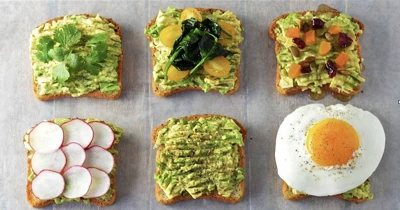
To store avocados well, you first need to understand what's happening inside the fruit. According to Wikipedia's overview of the avocado, the fruit is native to south-central Mexico and belongs to the Lauraceae family. What makes it unusual is that ripening doesn't begin until after the fruit is removed from the tree — which means you have real control over the timeline.
Ethylene is a colorless gas that avocados produce naturally as they mature. It acts as a biochemical trigger that softens the flesh and converts starches into sugars. Here's why that matters for storage:
This is why the same storage method works beautifully for one avocado and ruins another. Ripeness stage is everything.
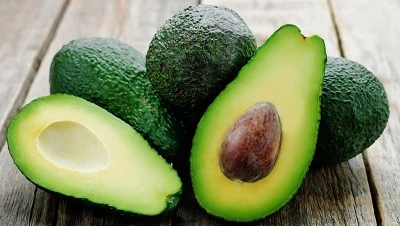
Avocados are nutritionally dense — loaded with healthy monounsaturated fats, potassium, folate, and vitamins K, C, B5, and B6. Oxidation is your biggest enemy once you cut one open. The flesh browns quickly when exposed to air, and that oxidation also degrades some of those nutrients over time.
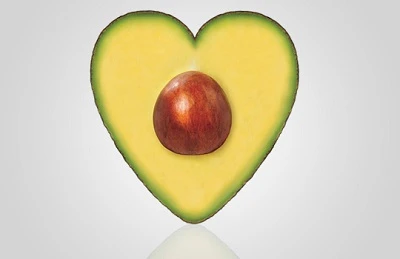
Proper storage — specifically refrigerating at the right stage — is one of the simplest ways to protect both the flavor and the nutritional value of your avocados. The tips in this guide apply directly to getting the most out of each one you buy.
Here's the direct answer: unripe avocados belong on the counter; ripe avocados belong in the fridge. Most of the confusion around whether avocados should be refrigerated comes from treating all avocados the same regardless of where they are in the ripening process.
If your avocado is firm and still bright green or deep purple-green, it's not ready. Refrigerating it at this stage will stall ripening — sometimes permanently. You could end up with a fruit that never develops the creamy, buttery texture you're after.
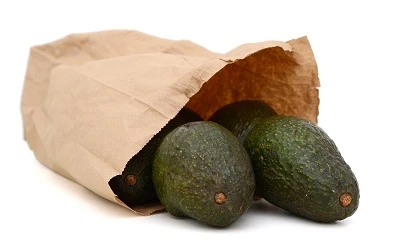
Once an avocado reaches peak ripeness — dark skin, slight give under gentle pressure — move it to the refrigerator immediately. Cold slows further ripening and degradation, buying you an extra 2–4 days of usable fruit.
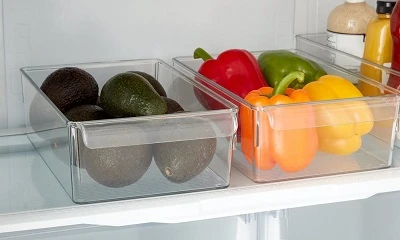
Here's a full reference comparison so you always know what to do at a glance:
| Ripeness Stage | Best Storage Location | Typical Shelf Life | Key Notes |
|---|---|---|---|
| Unripe (firm, bright green) | Counter / room temperature | 3–5 days to ripen | Paper bag with banana speeds ripening |
| Ripe (dark skin, slight give) | Refrigerator | 2–4 additional days | Move immediately at peak ripeness |
| Cut / halved with pit | Refrigerator (covered) | 1–2 days | Keep pit in; add lemon juice to flesh |
| Cut / halved without pit | Refrigerator (airtight) | Up to 1 day | Press plastic wrap directly onto flesh |
| Mashed / guacamole | Refrigerator (airtight) | 1–2 days | Squeeze lime; add thin water layer on top |
Before you can store an avocado correctly, you need to accurately read its ripeness. Most people rely on color alone — but color only tells part of the story. Here's how to check multiple signals at once so you make the right call every time.
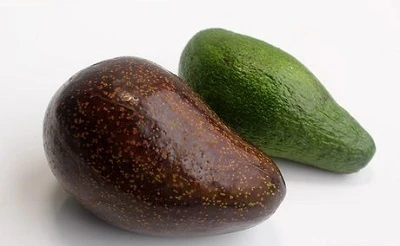
Color is your first clue but not your final answer. Hass avocados — the most common variety at the grocery store — darken as they ripen:
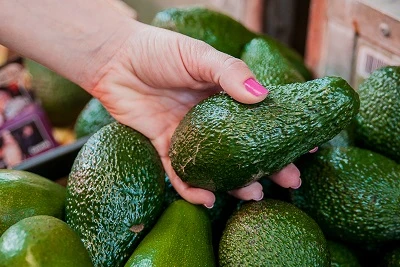
Feel matters just as much as color. Gently press the avocado with your thumb — not your whole hand, which bruises the flesh. You're looking for a slight give, similar to how a ripe peach responds to pressure. Firm with zero yield means unripe. Sinks easily and feels mushy means overripe and likely past its best.
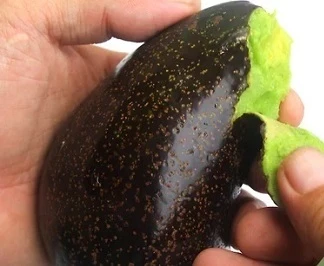
The stem test is a reliable real-world method that experienced produce buyers use at the store. Here's exactly how it works:

This technique is most useful at the grocery store before you buy. You get a reliable preview of what's inside without cutting the fruit open — and you can pick the exact ripeness stage you need for your timeline.
Knowing the rules is one thing. Putting them into practice — especially when you're managing multiple avocados at different stages — is where most people run into trouble. These step-by-step instructions cover the most common storage scenarios you'll encounter.
Pro tip: If you buy a batch of avocados and need them to ripen on different days, store them separately rather than grouped together — clustering them accelerates ethylene exposure and can ripen the whole batch at once.
Cut avocados need a different approach. Oxidation starts the moment flesh is exposed to air. Here's how to slow it down effectively:
If you find yourself with more ripe avocado than you can use, freezing is a real option. Mash the flesh with a bit of lime juice and freeze it in an airtight container. It works well in smoothies and dips. For a broader look at how to handle perishable foods before they turn, read this guide on how to store food in the freezer — it covers timing and techniques that apply to produce, proteins, and more.
You don't need a lot of specialized gear to store avocados well, but a few targeted tools genuinely extend shelf life and reduce how much you throw away. Here's what's worth having in your kitchen.
Getting precise about storage applies beyond avocados. The same attention to method pays off with other perishables too — for example, knowing exactly how to store lemon bars properly prevents texture and moisture loss in the same way that careful avocado storage prevents premature browning.
Avocados aren't cheap. A single Hass avocado at a typical grocery store costs anywhere from $1.00 to $2.50, depending on region and season. If you're throwing away even one avocado a week due to poor storage timing, that's a real and preventable expense.
That's before factoring in the environmental cost. Growing, transporting, and refrigerating food that ends up in the trash contributes measurably to water use and carbon emissions. Smarter avocado storage is one small but concrete piece of a larger habit worth building. For a broader perspective on this, the guide on how to reduce food waste in your kitchen covers practical strategies across all your grocery categories.
None of these are dramatic changes. But compounded over a year, they translate directly into fewer wasted avocados, better flavor in every serving, and real savings on your grocery bill.
No. Unripe avocados should stay at room temperature until they fully ripen. Refrigerating them too early can halt the ripening process and leave you with flesh that never develops the right creamy texture or flavor.
A ripe whole avocado typically lasts 2–4 additional days in the refrigerator. Once cut, plan to use it within 24 hours for the best quality, though with proper plastic wrap coverage it may remain edible for up to 2 days.
Yes. Mash or slice the flesh, mix in a little lemon or lime juice, and freeze in an airtight container or bag. Frozen avocado works well in smoothies, dips, and guacamole — though the texture changes after thawing, so it won't hold up well when sliced fresh.
Browning is caused by oxidation — the flesh reacts with oxygen in the air, similar to how a cut apple browns. Citrus juice slows this reaction, and pressing plastic wrap directly against the surface limits air contact and extends the window before discoloration appears.
Partially. The pit prevents browning only where it makes direct contact with the flesh — not the rest of the exposed surface. For best results, combine the pit method with a squeeze of citrus juice and plastic wrap pressed flush against the cut side.
Place the unripe avocado in a brown paper bag with a banana or apple and fold it loosely shut. The concentrated ethylene gas from the other fruit accelerates ripening noticeably. Check daily — using this method, the avocado can be ready in as little as 1–2 days instead of 3–5.
Transfer guacamole to an airtight container, squeeze lime juice over the top, then press plastic wrap directly against the surface before sealing the lid. Some people add a thin layer of water on top as an additional oxygen barrier — just drain it before serving. This approach keeps guacamole looking and tasting fresh for up to two days.
Now that you know exactly when should avocados be refrigerated — and when to leave them out — you have everything you need to stop throwing money away on wasted produce. Start with your very next grocery run: pick up avocados at different ripeness stages, use the stem test before you buy, and make it a habit to move ripe ones to the refrigerator the same day they're ready. These small, consistent choices add up to fresher avocados, less waste, and a noticeably lighter grocery bill over time.
 |
 |
 |
 |

About Daisy Dao
Daisy Dao grew up in Honolulu, Hawaii, where coastal living and access to fresh local ingredients shaped her approach to home cooking from an early age. She has spent years experimenting with seafood preparation, healthy cooking methods, and ingredient substitutions — developing hands-on familiarity with a wide range of kitchen tools, techniques, and produce. At BuyKitchenStuff, she covers healthy recipes, cooking techniques, and ingredient substitution guides.
Check for FREE Gifts. Or get our Free Cookbooks right now.
Disable the Ad Block to reveal all the recipes. Once done that, click on any button below
|
|
|
|
