by Rick Goldman
Nearly half of all adults — an estimated 1.28 billion people worldwide — live with hypertension, yet only about one in five has it under adequate control. Emerging research now points to probiotics for blood pressure control as a promising complementary strategy alongside conventional treatments. The gut microbiome, once considered relevant only to digestion, plays a measurable role in regulating systemic blood pressure through mechanisms that scientists are still mapping. For anyone committed to a healthier lifestyle, understanding how these beneficial bacteria influence cardiovascular function is essential knowledge. This guide examines the evidence, identifies the most effective strains, and provides actionable steps for incorporating probiotics into a daily routine.

Blood pressure management often focuses exclusively on sodium reduction, exercise, and medication. However, the gut-heart axis represents a significant and underutilized pathway. Probiotics — live microorganisms that confer health benefits when consumed in adequate amounts — have demonstrated the ability to reduce both systolic and diastolic blood pressure in multiple clinical trials. The effect is modest but consistent, and when combined with dietary improvements and physical activity, the cumulative impact becomes clinically meaningful.
This article breaks down which strains matter, which foods deliver them, and how to avoid the common pitfalls that prevent most people from experiencing results. Whether someone is managing borderline hypertension or simply seeking preventive measures, probiotics for blood pressure control deserve serious consideration.
Contents
The connection between gut bacteria and cardiovascular health operates through several well-documented pathways. Certain probiotic strains produce short-chain fatty acids (SCFAs) during fermentation of dietary fiber. These SCFAs — particularly butyrate, propionate, and acetate — interact with receptors in blood vessel walls that regulate vascular tone. When SCFA production is optimal, blood vessels relax more readily, reducing peripheral resistance.
Additionally, gut bacteria influence the renin-angiotensin system, one of the primary hormonal mechanisms controlling blood pressure. Specific Lactobacillus strains produce peptides that inhibit angiotensin-converting enzyme (ACE) — the same enzyme targeted by common blood pressure medications like lisinopril and enalapril. According to the National Heart, Lung, and Blood Institute, managing hypertension requires a multifaceted approach, and emerging evidence suggests gut health belongs in that equation.
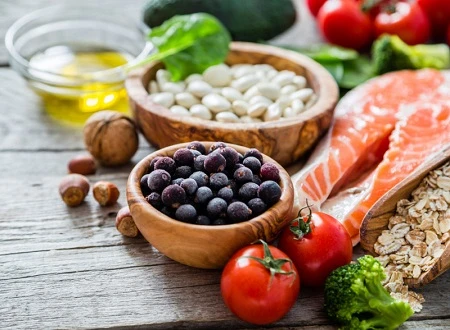
A meta-analysis published in the journal Hypertension examined nine randomized controlled trials and found that probiotic consumption reduced systolic blood pressure by an average of 3.56 mmHg and diastolic by 2.38 mmHg. These reductions are comparable to the effects of reducing daily sodium intake by 1,000 mg. Key findings include:
These numbers reinforce that probiotics for blood pressure control function best as part of a sustained regimen rather than a short-term intervention.
Beyond direct blood pressure reduction, probiotics offer several ancillary cardiovascular benefits. They reduce systemic inflammation by lowering C-reactive protein levels, improve cholesterol ratios by increasing HDL relative to LDL, and enhance nitric oxide bioavailability — a molecule critical for blood vessel dilation. For individuals pursuing plant-based diets for weight management, many vegan-friendly fermented foods deliver both probiotic and prebiotic benefits simultaneously.
Improved insulin sensitivity is another documented benefit. Since insulin resistance and hypertension frequently coexist, addressing both through gut health optimization creates a compounding positive effect.
Probiotics are not a replacement for prescribed antihypertensive medication. The blood pressure reductions documented in clinical trials, while statistically significant, remain modest compared to pharmaceutical interventions. Other limitations include:
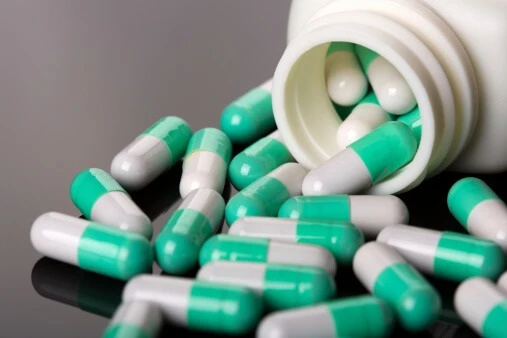
Antibiotic usage poses a particular challenge. Antibiotics decimate beneficial gut bacteria indiscriminately, and rebuilding a healthy microbiome after a course of treatment can take weeks to months. Probiotic supplementation during and after antibiotic use helps restore microbial balance more quickly, which in turn supports faster normalization of blood pressure regulation.
Not all probiotic strains exert the same influence on blood pressure. The following table summarizes the strains with the strongest clinical evidence for cardiovascular benefit:
| Strain | Primary Mechanism | Effective Dose (CFU/day) | Evidence Level |
|---|---|---|---|
| Lactobacillus rhamnosus GG | ACE inhibition, SCFA production | 10 billion+ | Strong |
| Lactobacillus acidophilus | Cholesterol reduction, anti-inflammatory | 5–10 billion | Moderate |
| Bifidobacterium longum | Nitric oxide enhancement | 10 billion+ | Strong |
| Lactobacillus plantarum | Vascular tone regulation | 5–10 billion | Moderate |
| Saccharomyces boulardii | Gut barrier integrity | 5 billion | Emerging |
| Bifidobacterium breve | Inflammation reduction | 10 billion+ | Moderate |
Multi-strain formulations consistently outperform single-strain products in clinical trials. When selecting a supplement, prioritize products containing at least three of the strains listed above, with a combined daily dose of 10 billion CFUs or higher.
Pro Tip: Look for supplements that list specific strain designations (e.g., L. rhamnosus GG) rather than just species names. Strain-level identification indicates higher manufacturing standards and traceable clinical evidence.
Supplementation is one path, but food-based probiotics offer additional nutritional benefits that capsules cannot replicate. Fermented foods deliver live cultures alongside vitamins, minerals, and bioactive compounds that support overall health. The most effective options include:

Many of these foods also strengthen immune function. A robust immune system reduces chronic low-grade inflammation — one of the underlying contributors to sustained high blood pressure.
Incorporating fermented foods does not require overhauling an entire diet. Simple swaps produce meaningful results. Use kefir instead of milk in morning smoothies. Add a small side of kimchi or sauerkraut to lunch. Stir miso into warm (not boiling) water for a quick afternoon broth. Those exploring tofu-based dishes can pair them with tempeh for a double fermented protein source.
Prebiotic fiber is equally important — it feeds the probiotics already present in the gut. Foods high in prebiotic fiber include garlic, onions, bananas, asparagus, and oats. A diet rich in both probiotics and prebiotics creates a synbiotic effect that maximizes cardiovascular benefit. Individuals interested in high-fiber meal preparation will find that fiber-forward recipes naturally support gut health alongside weight management goals.

Getting started with probiotics for blood pressure control does not require complexity. A structured first week sets the foundation for lasting benefit. Follow this sequence:
Starting slowly minimizes the digestive discomfort that causes many people to abandon probiotics prematurely. The gut microbiome needs time to adapt to new bacterial populations. Rushing the process often leads to bloating and gas, which are temporary but discouraging.
Pairing this protocol with nutrient-dense whole food recipes amplifies results. Sweet potatoes, for instance, provide potassium — a mineral that directly counteracts sodium's blood-pressure-raising effects — alongside prebiotic fiber that feeds beneficial gut bacteria.
Track blood pressure readings twice daily during this period: once in the morning before eating and once in the evening. Consistent monitoring reveals trends that single measurements cannot capture. Most individuals notice measurable changes within four to eight weeks of consistent probiotic intake.
The most frequent mistake is underdosing. Many commercial probiotic products contain fewer than 1 billion CFUs per serving — far below the threshold shown to affect blood pressure. Always verify the CFU count on the label and confirm it reflects the count at expiration, not at the time of manufacture.
Timing also matters. Taking probiotics on an empty stomach exposes them to higher concentrations of stomach acid, which kills a significant percentage of the organisms before they reach the intestines. Consuming probiotics with a meal — particularly one containing some fat — dramatically improves survival rates through the digestive tract.

Gut health extends beyond blood pressure. Conditions like irritable bowel disease respond positively to the same probiotic strains that benefit cardiovascular function, reinforcing that a healthy microbiome supports multiple organ systems simultaneously.
Many probiotic supplements require refrigeration to maintain viability. Leaving them at room temperature — especially in warm kitchens — accelerates bacterial die-off. Shelf-stable formulations exist but cost more and use specialized encapsulation technology. Regardless of the product type, always check the expiration date and storage instructions.
Quality varies enormously across brands. Independent testing organizations have found that some products contain fewer viable organisms than their labels claim. Prioritize brands that provide third-party testing verification. Creating the right environment matters in every context — just as those concerned with indoor air quality invest in proper purification, maintaining proper storage conditions for probiotics ensures the investment delivers its intended benefit.
Initial improvements in blood pressure often plateau after six to eight weeks. Sustaining and building upon those gains requires strategic adjustments:

Long-term success also depends on complementary lifestyle factors. Regular physical activity enhances microbial diversity independently of diet. Stress management techniques — meditation, adequate sleep, reduced caffeine — lower cortisol levels that otherwise promote gut dysbiosis and elevated blood pressure. A holistic approach that combines probiotics with smart snacking habits and consistent movement produces outcomes that no single intervention can match.
Individuals managing weight alongside blood pressure concerns benefit from understanding how nutrition intersects with both goals. Exploring protein-rich meal options that support satiety while maintaining cardiovascular health creates sustainable dietary patterns rather than short-lived diets.
Most clinical trials demonstrate measurable blood pressure reductions after eight weeks of consistent daily consumption. Some individuals report improvements as early as four weeks, but meaningful and sustained changes typically require two to three months of uninterrupted use at therapeutic doses (10 billion CFUs or higher).
Probiotics should not be used as a substitute for prescribed antihypertensive medication. The reductions observed in clinical research — approximately 3.5 mmHg systolic — are clinically meaningful but insufficient for individuals requiring pharmaceutical-grade blood pressure control. Probiotics function best as a complementary strategy alongside medical treatment and lifestyle modifications.
Both approaches deliver benefits, but they work through slightly different mechanisms. Supplements provide concentrated, standardized doses of specific strains. Fermented foods deliver live cultures alongside additional nutrients, fiber, and bioactive compounds. The most effective strategy combines both — supplements for consistent baseline dosing and fermented foods for dietary diversity and nutritional breadth.
The most common side effects are mild and temporary: bloating, gas, and minor digestive discomfort during the first one to two weeks. These symptoms typically resolve as the gut microbiome adjusts. Immunocompromised individuals or those with central venous catheters should consult a healthcare provider before starting any probiotic regimen, as rare cases of bacteremia have been documented in these populations.
Heat above 115°F (46°C) kills most probiotic organisms. Cooking kimchi, sauerkraut, or miso at high temperatures eliminates their live culture benefits, though nutritional value from vitamins and minerals remains. To preserve probiotic viability, add these foods to dishes after cooking or consume them raw as side dishes or condiments.
The evidence linking gut health to blood pressure regulation is substantial and growing. Probiotics for blood pressure control represent a safe, accessible, and science-backed addition to any cardiovascular health strategy. Start with one serving of fermented food daily, monitor blood pressure consistently, and consider adding a multi-strain supplement after the first week — small, deliberate steps that build toward measurable long-term improvement.
 |
 |
 |
 |

About Rick Goldman
Rick Goldman grew up traveling the Pacific Coast and developed an early appreciation for regional and international cuisines through exposure to diverse food cultures from a young age. That culinary curiosity shaped his approach to kitchen gear — he evaluates tools based on how well they perform across different cooking styles, ingredient types, and meal occasions. At BuyKitchenStuff, he covers kitchen equipment reviews, recipe guides, and food-focused buying advice.
Check for FREE Gifts. Or get our Free Cookbooks right now.
Disable the Ad Block to reveal all the recipes. Once done that, click on any button below
|
|
|
|
