Kitchen Gadgets & Equipment Reviews ›
by Christopher Jones
You stand in your basement, staring at a water heater that has been limping along for the past twelve years, and you know the next cold shower is going to be the one that finally breaks your patience. Shopping for a replacement feels overwhelming because the market in 2026 offers everything from traditional tank models to compact tankless units that promise endless hot water. The good news is that we have narrowed down the field to three standout options that cover different needs and budgets, so you can make a confident choice without spending weeks on research.
A 50-gallon gas water heater remains one of the most popular sizes for American households with three to five people, and for good reason. That capacity hits a sweet spot where you get enough hot water for back-to-back showers, a load of laundry, and running the dishwasher without the unit cycling constantly. Whether you are replacing an aging tank or upgrading to something more efficient, the models in this roundup represent the best options available in 2026 across power-vent tanks and tankless technology. We have also included a tankless contender from Rinnai because many buyers shopping in the 50-gallon category are open to alternatives that deliver equivalent or better performance in a fraction of the space.
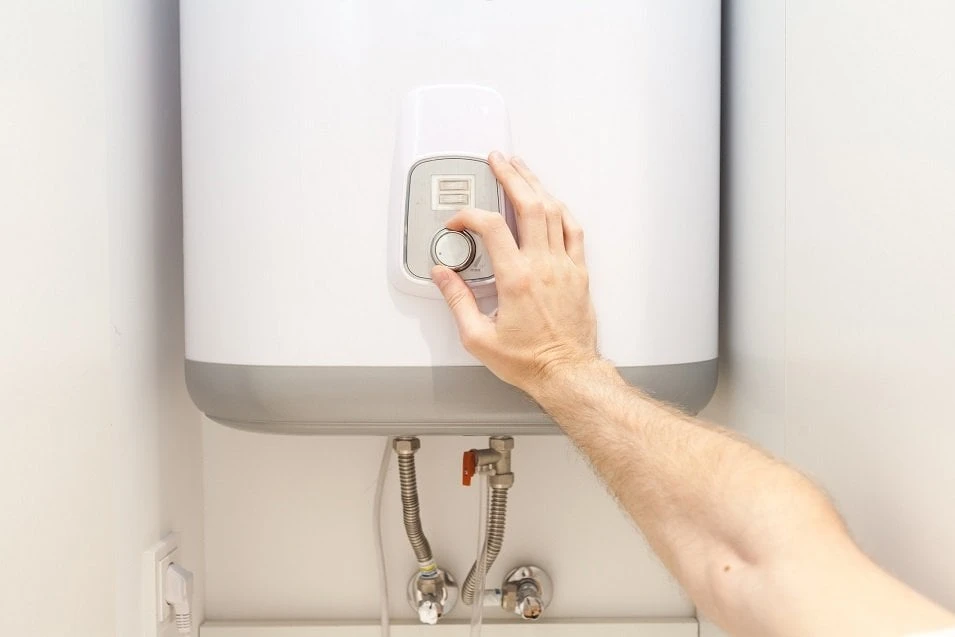
Before we dive into the individual reviews, keep in mind that your installation setup matters just as much as the heater itself. Venting requirements, gas line sizing, and local building codes can all affect which model works best in your home, so it pays to understand the basics before you buy. If you are also tackling other home projects like a kitchen remodel, bundling the water heater replacement with other plumbing work can save you money on labor.
Contents


The AO Smith GPHE-50 is the kind of water heater that quietly does its job so well that you forget it exists, which is exactly what you want from an appliance buried in your utility room. It delivers a 90-percent thermal efficiency rating, which puts it well above the average tank-style gas water heater that typically hovers around 60 to 67 percent. That efficiency translates directly into lower monthly gas bills, and over the expected ten to twelve year lifespan of the unit, those savings can easily add up to hundreds of dollars. The power-vent design means it pushes exhaust gases out through PVC piping using a small blower fan, so you do not need an expensive metal chimney or a dedicated vertical flue.
One of the standout features of this model is its flexible venting options, which allow you to run the vent pipe either horizontally through a sidewall or vertically through the roof. This flexibility is a big deal if your basement or utility closet does not have a convenient path to the roof for traditional venting. The unit runs on natural gas and has a solid build quality that AO Smith is known for, with a glass-lined tank and a corrosion-resistant anode rod that helps extend the life of the tank. Installation is straightforward for a licensed plumber, though you will want to confirm that your electrical outlet can handle the blower motor since power-vent models do require a standard 120V connection.
In terms of daily performance, the GPHE-50 provides consistent hot water delivery that keeps up with the demands of a typical family of four without any noticeable temperature drops between uses. The power-vent blower does produce a slight humming sound when the burner fires, but it is no louder than a bathroom exhaust fan and you are unlikely to hear it from the living areas of your home.
Pros:
Cons:

The Reliance 6 50 YRVIT earns its place on this list by offering ENERGY STAR qualification at a price point that undercuts most competitors in the power-vent category. With a 0.70 energy factor (EF) rating, it delivers solid efficiency without the premium price tag of ultra-high-efficiency models. The patented air intake system pressurizes the combustion chamber in a way that squeezes more heat out of every cubic foot of natural gas, and at 50,000 BTU input, it has enough firepower to keep up with heavy household demand throughout the day.
Performance numbers tell a compelling story here, with a first-hour rating of 96 gallons per hour (GPH) and a recovery rate of 56 GPH. In practical terms, that first-hour rating means you can run two long showers, start a load of laundry, and still have hot water left over before the tank needs to fully recover. The 56 GPH recovery rate is respectable for this class, meaning the tank bounces back reasonably quickly after heavy use, though it will not match the near-instant recovery of a tankless system. For most families, the performance is more than adequate for typical morning and evening routines.
Build quality is solid for the price, with a steel tank and standard glass lining that should hold up well with proper maintenance. Like all tank water heaters, you will want to flush the tank annually and check the anode rod (a sacrificial metal rod that attracts corrosion away from the tank walls) every two to three years to maximize the lifespan. The power-vent design uses PVC venting, which keeps installation costs lower than metal-vent alternatives, and the unit fits standard 50-gallon footprints so it should drop right into the space your old heater occupied.
Pros:
Cons:
If you are tired of the limitations that come with tank-style water heaters and you want to make a long-term investment in your home's hot water system, the Rinnai RX130iN represents the cutting edge of what tankless technology can deliver in 2026. This condensing unit packs 130,000 BTU of heating power into a box roughly the size of a small suitcase, and it can supply up to 7.1 gallons per minute, which is enough to run four fixtures simultaneously without anyone in the house noticing a temperature dip. The "condensing" part means it captures heat from exhaust gases that traditional water heaters simply waste, resulting in a remarkable UEF (Uniform Energy Factor) of 0.97, which is about as efficient as gas-fired water heating gets.
The Smart Sense gas control system is a genuinely clever feature that automatically detects whether you have connected natural gas or propane, eliminating the need to buy fuel-specific models or conversion kits. This dual-fuel flexibility means you can use the same unit whether your home is on a natural gas line or relies on propane tanks, and it is particularly helpful if you plan to move and want to bring the heater with you. The Versa Vent system adds another layer of flexibility by allowing installation both indoors and outdoors, though outdoor installations do require the separate RX-OVC vent cap. For smart home enthusiasts shopping online, Rinnai offers an optional Controlr WiFi module that lets you adjust temperature settings and monitor the unit remotely from your phone.
The Quick Flush feature deserves special mention because descaling (removing mineral buildup from the heat exchanger) is the single most important maintenance task for any tankless water heater, and Rinnai has made it significantly easier with built-in isolation valves. Instead of hiring a plumber every year, you can connect a small pump and run vinegar through the system yourself in about 45 minutes. The unit also comes with a built-in recirculation pump option for homes where you want instant hot water at distant fixtures without waiting for the pipes to warm up. According to the U.S. Department of Energy, tankless water heaters can be 24 to 34 percent more energy efficient than conventional storage tank models for homes that use 41 gallons or less of hot water daily.

Pros:
Cons:
The efficiency rating is arguably the single most important number to pay attention to because it directly determines how much you spend on gas every month for the life of the unit. Traditional tank water heaters typically land between 0.58 and 0.70 EF, while high-efficiency power-vent models can reach 0.90 or higher, and condensing tankless units push past 0.95. A higher efficiency rating means more of the heat from burning gas actually goes into warming your water instead of escaping up the vent pipe. Even a modest jump from 0.60 to 0.70 EF can save you $50 to $100 per year depending on your local gas rates and household usage patterns, and those savings compound significantly over a ten-year ownership period.
Look for ENERGY STAR certification as a baseline indicator of decent efficiency, but do not stop there. Compare the actual EF or UEF numbers between models, and factor in your local utility rebate programs, since many gas companies offer incentives of $50 to $300 for installing qualifying high-efficiency water heaters. The upfront price difference between a standard and high-efficiency model usually pays for itself within three to five years through lower gas bills alone.
Venting is where many water heater purchases go sideways because buyers pick a model online and then discover it will not work with their home's existing setup. There are three main venting types you need to understand before you shop. Atmospheric vent (also called natural draft) uses a metal chimney and relies on rising hot air to pull exhaust gases upward, which is the simplest and cheapest to install but the least efficient. Power vent uses an electric blower to push exhaust through PVC piping, allowing horizontal runs through a sidewall, which is a major advantage in basements and spaces without direct roof access. Direct vent pulls combustion air from outside and exhausts through a dedicated two-pipe system, which is ideal for tight spaces with limited indoor air supply.
Before ordering, measure your available space carefully and identify where the vent pipe will run. A power-vent model like the AO Smith GPHE-50 needs a 120V outlet nearby for the blower, while a tankless unit like the Rinnai may need a larger gas line and potentially a new dedicated vent run. Getting a plumber to do a quick assessment before you buy can save you from an expensive return or installation surprise down the road.
The first-hour rating (FHR) tells you how many gallons of hot water the unit can deliver in a single hour starting from a fully heated tank, and this number matters more than the tank size for determining whether a water heater can keep up with your household. A 50-gallon tank with a high FHR of 80 to 100 GPH will outperform a 60-gallon tank with a low FHR of 50 GPH in real-world usage because most hot water demand comes in concentrated bursts during morning and evening routines. The recovery rate tells you how quickly the tank bounces back after heavy use, measured in gallons per hour that the burner can heat from inlet temperature to your set point.
To figure out what FHR you need, estimate your peak-hour usage by adding up simultaneous activities. A shower uses about 10 gallons, a dishwasher cycle uses 6 gallons, and a washing machine uses about 7 gallons per load on a warm setting. If your household regularly runs two showers and a dishwasher within the same hour, you need an FHR of at least 26 gallons, though having headroom above that number keeps you comfortable during unusually busy mornings. Cleaning your home with hot water for tasks like mopping or even maintaining items like a toilet seat also adds to your daily usage, so think about your full routine when sizing your water heater.
The tank versus tankless debate comes down to your priorities, your budget, and how long you plan to stay in your current home. Tank water heaters cost less upfront (typically $800 to $1,500 installed for a good 50-gallon power-vent model), have simpler installation requirements, and use familiar technology that any plumber can service. They do take up floor space, they lose heat through the tank walls during standby periods, and they will eventually run out of hot water during extended heavy use. They also have a shorter lifespan of about 8 to 12 years compared to tankless alternatives.
Tankless water heaters cost more upfront ($2,000 to $4,500 installed depending on gas line and venting needs), but they deliver unlimited hot water on demand, take up almost no space, last 20 years or more with proper maintenance, and operate at significantly higher efficiency levels. If you are staying in your home long-term and your household regularly pushes a tank to its limits, the tankless route often makes financial sense within five to seven years. If you are on a tighter budget, need a quick replacement, or your household has modest hot water needs, a high-efficiency tank model will serve you well without the larger upfront investment.
A well-maintained 50-gallon gas water heater with a traditional storage tank generally lasts between 8 and 12 years, with some premium models stretching to 15 years if you stay on top of annual flushing and anode rod replacement. Tankless models like the Rinnai can last 20 years or more because they do not suffer from the constant tank corrosion that eventually kills conventional units. The biggest factor in lifespan is your water quality, since hard water with high mineral content accelerates sediment buildup and corrosion inside the tank.
For most homeowners, yes, a power-vent model is worth the premium because it delivers meaningfully better efficiency and gives you more flexibility in where you install the unit. The ability to vent horizontally through a sidewall using inexpensive PVC pipe can actually save you money on installation compared to running a new metal chimney for an atmospheric-vent model. The main trade-off is that power-vent units require a nearby electrical outlet and produce a slight humming noise when the blower runs, but neither of these is typically a deal-breaker for most installations.
While some experienced DIYers do handle their own water heater installations, most building codes require a licensed plumber to install gas-fired water heaters, and for good reason. Gas line connections, proper venting, and compliance with local codes are all areas where mistakes can lead to carbon monoxide leaks, fires, or water damage. Many manufacturers also require professional installation to keep the warranty valid, so you could void your coverage by doing it yourself. Getting a professional installation typically costs between $300 and $800 depending on your area and the complexity of the job.
Operating costs vary based on your local gas rates, household size, and the efficiency of the unit, but a typical 50-gallon gas water heater costs between $25 and $45 per month to operate in 2026. High-efficiency models like the AO Smith GPHE-50 at 90-percent thermal efficiency will sit at the lower end of that range, while older or less efficient models will trend higher. Tankless units can reduce operating costs by an additional 20 to 30 percent because they only burn gas when you actually need hot water, eliminating the standby heat loss that tanks experience around the clock.
Most 50-gallon tank-style gas water heaters with inputs around 40,000 to 50,000 BTU work fine with a standard 1/2-inch gas line, assuming the run from the meter is not excessively long. However, high-BTU tankless units like the Rinnai RX130iN at 130,000 BTU typically require a 3/4-inch gas line to deliver adequate gas flow without pressure drops. Before purchasing any water heater, have a plumber check your existing gas line size and the total BTU load on your gas system, since running too many appliances on an undersized line can cause performance problems across all your gas appliances.
Annual flushing is one of the most important maintenance tasks for any tank-style water heater because sediment from minerals in your water settles at the bottom of the tank over time. This sediment layer acts as insulation between the burner and the water, forcing the unit to work harder and reducing both efficiency and lifespan. To flush the tank, turn off the gas valve and connect a garden hose to the drain valve at the bottom of the tank, then run the water into a floor drain or outside until it runs clear. The whole process takes about 20 to 30 minutes and can add years to the life of your water heater, and you can handle it yourself even if you are not particularly handy with plumbing tasks. For tankless units, the process involves circulating a vinegar solution through the heat exchanger using a small pump kit that you can find at most hardware stores.
Buy the most efficient water heater your budget allows, because the upfront savings on a cheap unit will cost you far more in monthly gas bills over the next decade.
 |
 |
 |
 |

About Christopher Jones
Christopher Jones holds an MBA from the University of San Francisco and brings a business-minded approach to kitchen gear evaluation — assessing products not just for performance but for long-term value, build quality, and real-world usability in everyday home cooking. He has spent years testing appliances, cookware, and kitchen gadgets with the same analytical rigor he developed in business school. At BuyKitchenStuff, he covers kitchen appliance reviews, buying guides, and practical cooking tips.
