by Daisy Dao
Flank steak prices have surged over 40% in the past five years, making this once-affordable cut a luxury for many home cooks. Whether your butcher is sold out or your budget says otherwise, knowing the best flank steak substitutes keeps your favorite recipes on track without sacrificing flavor or texture. From fajitas to stir-fries to slow-braised ropa vieja, the right swap makes all the difference. This guide walks you through every worthy alternative — beef and beyond — so you never have to shelve a recipe again. If you love exploring cooking techniques and guides, you'll find plenty of practical advice here to level up your kitchen game.

Flank steak comes from the abdominal muscles of the cow — a lean, flat cut packed with bold beefy flavor. Its long muscle fibers make it ideal for marinating and high-heat cooking, but those same fibers turn tough if you overcook it. Understanding what makes flank steak tick helps you pick a substitute that actually performs the same way in your dish.
The good news? Several cuts share flank's lean profile, grain structure, or flavor intensity. Some cost less. Some are easier to find. And a few non-beef options deliver surprisingly similar results in the right recipes.
Contents
Before diving into the details, here's a side-by-side look at how each substitute stacks up. This table covers the factors that matter most: price, texture, flavor, and which cooking methods work best.
| Substitute | Price vs. Flank | Texture | Flavor | Best Cooking Method |
|---|---|---|---|---|
| Skirt Steak | Similar / slightly more | Loose, coarse grain | Rich, beefy | Grill, sear |
| Hanger Steak | Similar | Tender, fine grain | Intense, mineral | Grill, pan-sear |
| Flat Iron | Less | Very tender | Mild, buttery | Grill, stir-fry |
| Tri-Tip | Less | Moderately tender | Mild, lean | Roast, grill |
| Top Round | Much less | Lean, firm | Mild | Braise, slow cook |
| Chicken Breast | Much less | Lean, smooth | Neutral | Grill, stir-fry |
| Portobello Mushroom | Less | Meaty, dense | Earthy, umami | Grill, roast |
| Tofu (extra-firm) | Much less | Dense, absorbent | Neutral | Pan-fry, stir-fry |

You don't need to overhaul your recipe. These three cuts behave so similarly to flank steak that you can drop them in with minimal adjustments.
Skirt steak is the closest relative to flank. Both come from the underside of the cow, and both have pronounced long grain that soaks up marinades beautifully. The main difference? Skirt steak has a looser grain and more intramuscular fat, which makes it slightly more forgiving if you overshoot your cook time by a minute or two.
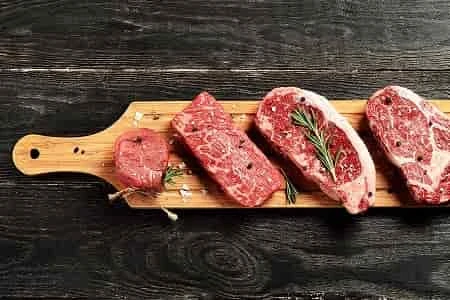
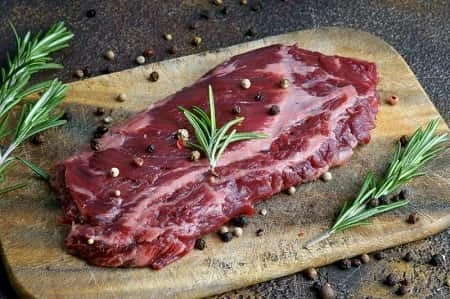
Often called the "butcher's secret," hanger steak hangs from the diaphragm and delivers some of the most intense beef flavor of any cut. There's only one per animal, which explains why it's harder to find in regular grocery stores. When you do spot it, grab it.
Hanger steak is naturally more tender than flank, so you can get away with shorter marinating times. Sear it hot and fast, let it rest for five minutes, then slice thin. It excels in dishes where beef flavor needs to stand front and center. A sharp kitchen knife makes slicing against the grain effortless.
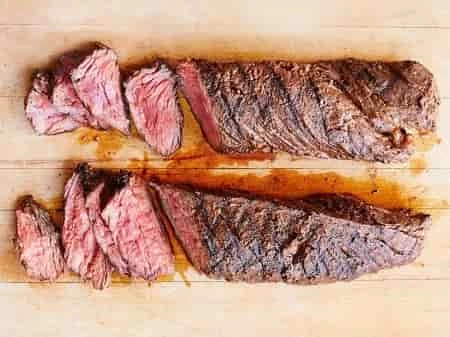
Pro tip: Hanger steak has a tough central membrane running through the middle. Ask your butcher to remove it, or trim it yourself before cooking — it won't break down, even with long marinating.
Cut from the shoulder (chuck), flat iron is the second most tender cut on the entire animal after tenderloin. It's budget-friendly, widely available, and works in nearly any recipe calling for flank. The tradeoff is a milder flavor profile — you'll want to boost your seasoning or use a more aggressive marinade.
Flat iron handles high-heat grilling and stir-frying exceptionally well. It's also thick enough to get a proper sear without overcooking the interior. For the best results, pull it off heat at 130°F internal and rest for five minutes.
If you're comfortable with slightly different cooking techniques, these cuts reward the extra effort with excellent results and lower price tags.
Tri-tip is a triangular cut from the bottom sirloin. It's leaner than flank and thicker, which means you need to adjust your approach. Instead of quick searing, treat tri-tip like a small roast: sear the outside, then finish in a 400°F oven until it hits 135°F internal.

Once rested, slice thin against the grain. Tri-tip shines in fajitas, sandwiches, and grain bowls. It's also a fantastic candidate for cedar plank grilling, which adds a smoky depth that pairs beautifully with its mild beef flavor.
Top round comes from the hindquarters and is one of the leanest, most affordable beef cuts you'll find. It lacks flank's tenderness, but braising or slow cooking transforms it into something remarkably close. This is your go-to for ropa vieja, beef stew, and any recipe with a long cook time.
If you're watching your grocery budget, top round paired with smart meal planning is a winning combination. Check out these practical tips for saving money on food to stretch your dollars further.
No substitute is perfect. Each one brings trade-offs that matter depending on your recipe, skill level, and budget. Here's the honest breakdown.
Skirt steak delivers the closest flavor match and handles the same recipes without modification. On the downside, it's gotten almost as expensive as flank in many markets, and the thinner profile means overcooking happens fast.
Hanger steak wins on flavor intensity and natural tenderness, but limited supply means your butcher may not always have it. It also has that membrane issue — skip the trimming and you'll be chewing through gristle.
Flat iron is affordable and tender, but its milder taste won't carry bold dishes like carne asada without extra seasoning support. It's also thicker than flank, so slicing technique matters more.

Tri-tip is a great value and versatile, but the thicker cut demands a different cooking method — you can't just throw it on a screaming hot pan for two minutes per side. Top round saves you the most money, but it's tough without proper braising. Plan your time accordingly.
Not every substitute needs to come from the butcher counter. Whether you're reducing red meat intake or cooking for mixed dietary preferences, these options hold their own in flank steak recipes.
Chicken breast won't replicate beef flavor, but it handles flank steak marinades and cooking methods surprisingly well. Pound it to even thickness, marinate in the same sauce you'd use for flank, and grill over high heat. The result works beautifully in fajitas, stir-fries, and Asian-inspired dishes.
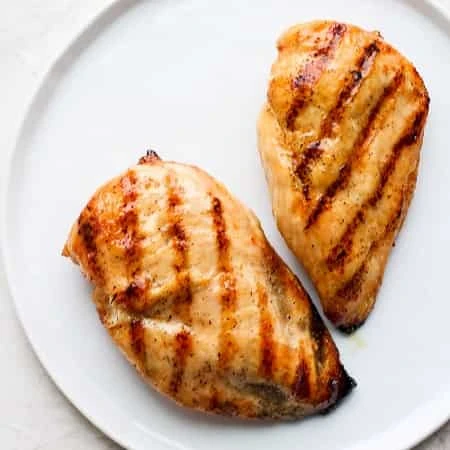
The technique that makes the biggest difference with chicken is brining or soaking in a liquid before cooking. A 30-minute soak in salted water (1 tablespoon per cup) keeps the meat juicy even at high temperatures.
Portobellos are the plant world's answer to steak. Their dense, meaty texture and deep umami flavor make them a legitimate swap in fajitas, sandwiches, and grain bowls. Grill them whole over medium-high heat for 4 to 5 minutes per side, then slice into strips.

Boost the savory factor by marinating in soy sauce, balsamic vinegar, and garlic. If you typically use sesame oil in your marinades, it pairs exceptionally well with portobellos.
Extra-firm tofu, pressed and sliced into planks, absorbs marinades like a sponge. The key is pressing out as much water as possible — at least 30 minutes under a weighted plate. Then marinate for a minimum of an hour. Pan-fry in a hot skillet until golden and crispy on the outside.

Thick-cut cauliflower steaks and eggplant rounds also serve as hearty bases for flank steak seasonings. Roast cauliflower at 425°F for 25 minutes per side, and you'll get caramelized edges with a satisfying bite.
Picking the right substitute is only half the job. How you prepare it determines whether it actually delivers. These techniques apply across nearly every option listed above.
Marinating is non-negotiable for lean cuts. Flank steak substitutes — especially top round and chicken breast — lack the fat content to stay juicy on their own. A good marinade does three things: adds flavor, introduces moisture, and tenderizes through acid or enzymes.
Warning: Never marinate beef in a reactive metal container like aluminum. The acid in the marinade reacts with the metal and produces off-flavors. Stick to glass, ceramic, or food-grade plastic.
Slicing against the grain is critical for any long-fibered cut. According to the USDA beef cuts classification, flank and its neighboring cuts all share parallel muscle fibers that become chewy when sliced with the grain. Look for the direction the lines run, then cut perpendicular at a 45-degree angle for maximum tenderness.
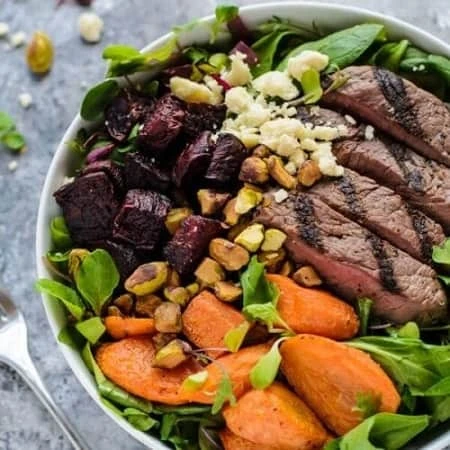
Rest your meat after cooking. Five minutes under a loose foil tent lets the juices redistribute. Cut too early and you'll lose up to 30% of the moisture to your cutting board. If you're building a complete meal around your substitute, pair it with sides that complement lean proteins — something like a fresh cheese crumble adds creaminess and contrast.
Not every recipe flexes easily. Here's a straightforward guide to help you decide.
Go ahead and substitute when:
Wait for the real thing when:
The best flank steak substitutes shine brightest when you play to their individual strengths rather than forcing them into a one-size-fits-all approach. Skirt for quick-searing dishes. Top round for braises. Flat iron when you want tenderness on a budget. Match the cut to the technique and you'll never notice the swap.
Skirt steak is the closest match. It comes from the same general area of the cow, has a similar long-grain structure, and works in all the same recipes. The main difference is skirt steak has slightly more fat marbling, which makes it a touch more forgiving during cooking.
Flat iron works well in fajitas. It's more tender than flank and cooks quickly over high heat. Season it more aggressively since flat iron has a milder beef flavor. Slice it thin against the grain and you'll get excellent results.
Top round works for stir-fry if you slice it paper-thin. Partially freeze the meat for 30 to 45 minutes first — this firms it up enough for razor-thin slicing. Cook it fast over the highest heat your stove can produce, and don't overcrowd the pan.
Top round is consistently the most affordable beef substitute, often running 40 to 50% less than flank per pound. For non-beef options, extra-firm tofu and portobello mushrooms cost a fraction of any beef cut while still delivering satisfying texture in stir-fries and fajitas.
Three rules prevent toughness: marinate with an acidic ingredient for at least 30 minutes, cook over high heat for a short time (or low heat for a long time — nothing in between), and always slice against the grain. Resting the meat for five minutes after cooking also makes a noticeable difference in tenderness.
The best substitute isn't the one that tastes most like flank steak — it's the one that performs best in your specific recipe with your specific cooking method.
 |
 |
 |
 |

About Daisy Dao
Daisy Dao grew up in Honolulu, Hawaii, where coastal living and access to fresh local ingredients shaped her approach to home cooking from an early age. She has spent years experimenting with seafood preparation, healthy cooking methods, and ingredient substitutions — developing hands-on familiarity with a wide range of kitchen tools, techniques, and produce. At BuyKitchenStuff, she covers healthy recipes, cooking techniques, and ingredient substitution guides.
Check for FREE Gifts. Or get our Free Cookbooks right now.
Disable the Ad Block to reveal all the recipes. Once done that, click on any button below
|
|
|
|
