by Daisy Dao
Over 4 billion people worldwide rely on rice as a daily staple, while noodle consumption has surged past 116 billion servings annually — and the noodles vs rice health debate remains one of the most common questions our team encounters in nutrition-focused kitchen content. Both foods anchor countless cuisines, fuel athletes and families alike, and carry wildly different reputations depending on whom one asks. Our team at BuyKitchenStuff decided to settle this once and for all by digging into the actual science, comparing macros side by side, and offering practical guidance for anyone looking to eat smarter without giving up the foods they love.
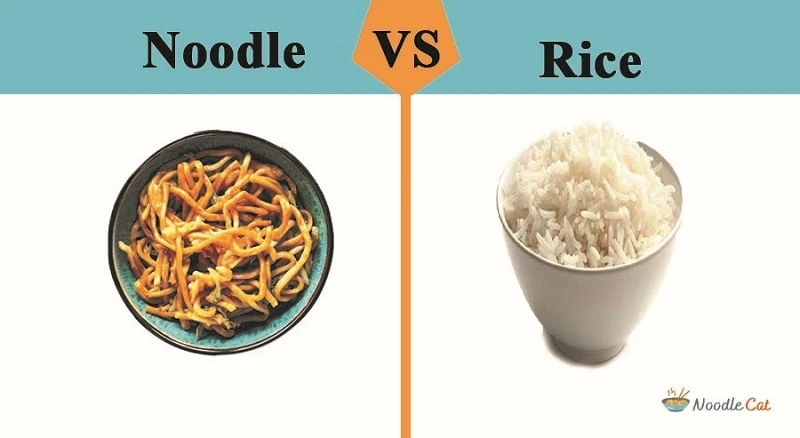
The truth is, neither noodles nor rice deserve the blanket "healthy" or "unhealthy" label that so many diet trends slap on them. Context matters — the type of grain, the preparation method, the portion size, and what goes alongside them on the plate all shift the equation dramatically. Our goal here is to give a clear, evidence-based breakdown so that anyone standing in a grocery aisle or staring at a restaurant menu can make an informed call.
We have also pulled from our hands-on experience testing different types of noodles and cooking rice across dozens of recipes to add practical kitchen perspective to the nutritional data. This is not just about numbers on a label — it is about what actually happens when these foods hit the pot, the plate, and the body.
Contents
Before anyone can make a smart dietary choice, the raw data needs to be on the table. Our team compiled nutritional information from the USDA FoodData Central database to compare the most common forms of noodles and rice per cooked serving. The differences are more nuanced than most people expect.
A one-cup serving of cooked white rice contains roughly 206 calories and 45 grams of carbohydrates, while the same serving of cooked egg noodles clocks in around 221 calories with 40 grams of carbs. The calorie gap is slim. Where things diverge is protein: egg noodles deliver about 7 grams of protein per cup compared to rice's 4.3 grams, giving noodles a meaningful edge for anyone prioritizing muscle recovery or satiety.
Fat content is negligible in both — roughly 0.4 grams for rice and 3.3 grams for egg noodles (from the egg component). Fiber tells a more interesting story. Standard white rice provides about 0.6 grams of fiber per cup, while regular wheat noodles offer around 2 grams. Neither is a fiber powerhouse, but switching to whole-grain versions of either changes the picture entirely, pushing fiber up to 3–5 grams per serving.
The glycemic index (GI) measures how quickly a food raises blood sugar, and this is where the noodles vs rice health comparison gets especially relevant for people managing blood sugar. White rice scores between 70 and 90 on the GI scale, depending on the variety — jasmine rice sits near the top, while basmati falls closer to 60. Most wheat-based noodles land between 40 and 55, making them a lower-GI option overall.
According to the Harvard T.H. Chan School of Public Health, choosing lower-GI carbohydrates can help with blood sugar management and sustained energy levels. This does not automatically make noodles "better," but it does mean they cause a gentler blood sugar response for most people.
Our team has heard every claim in the book, and some of the most persistent myths around these staples continue to mislead people. Time to clear the air.
One of the biggest misconceptions is that a carb is a carb regardless of its source. In reality, the structure of the starch matters enormously. Rice starch is composed of amylose and amylopectin in varying ratios — high-amylose rice (like long-grain basmati) digests more slowly and produces a lower glycemic response than sticky short-grain varieties dominated by amylopectin. Similarly, fresh ramen noodles behave differently in the body than dried soba noodles made from buckwheat.
The processing also matters. Instant noodles, which have been deep-fried during manufacturing, carry significantly more fat (typically 14–16 grams per serving) than their air-dried counterparts. Lumping all noodles together when evaluating health outcomes leads to misleading conclusions.
Another common myth is that choosing rice over noodles is automatically the "cleaner" choice because rice is gluten-free. While rice is naturally gluten-free, plenty of noodle options are too — rice noodles, sweet potato glass noodles, and buckwheat soba (when made with 100% buckwheat flour) all skip the gluten entirely. Our deep dive into whether rice noodles are healthy covers this in detail. Unless someone has celiac disease or a confirmed gluten sensitivity, avoiding wheat noodles offers no proven health advantage.
Framing this as an either-or decision misses the point entirely. The most sustainable approach treats noodles and rice as complementary tools in a broader dietary toolkit.
Our team recommends a rotation approach rather than rigid elimination. Alternating between rice and noodle dishes across the week provides a wider spectrum of micronutrients. Rice (especially brown rice) delivers manganese, selenium, and magnesium, while wheat noodles contribute more iron, B vitamins (thiamin, folate), and protein. By rotating, most people naturally cover more nutritional bases without needing supplements or obsessive tracking.
A practical weekly pattern might look like rice-based meals three days, noodle-based meals two days, and other grain sources (quinoa, bread, potatoes) filling the remaining days. This kind of variety also prevents palate fatigue — something our team has found matters just as much as nutrition when it comes to sticking with a dietary pattern long-term.
Portion creep is the silent diet wrecker with both foods. A standard serving is one cup cooked, but most restaurant plates and home servings easily triple that. Our team's kitchen experiments have shown that using a smaller bowl — even going from a 10-inch to an 8-inch diameter — reduces average serving sizes by roughly 20% without anyone feeling deprived. Measuring once or twice to calibrate the eye does more for calorie management than any noodle-vs-rice swap ever could.
Pro tip: Cooking rice with a tablespoon of coconut oil and then refrigerating it for 12 hours before reheating can increase resistant starch content by up to 60%, effectively lowering its caloric impact.
The right equipment removes friction from healthy cooking. Our team has tested dozens of appliances specifically for preparing noodles and rice in the healthiest way possible.
A quality rice cooker with a steaming basket does double duty — it cooks rice perfectly every time and steams vegetables simultaneously, making a complete meal with zero extra effort. Models with brown rice settings extend the cooking time and water ratio automatically, which matters because under-cooked brown rice is unpleasant and drives people back to white rice. Fuzzy-logic rice cookers adjust temperature dynamically and consistently produce better texture than basic on-off models, especially with whole grains.
For anyone serious about controlling exactly what goes into their noodles, a manual pasta maker or noodle press opens up a world of whole-grain and alternative-flour options. Homemade noodles using a blend of whole wheat and semolina flour deliver noticeably more fiber and protein than store-bought refined versions. Our team's pasta vs noodles comparison covers the differences in dough composition, and the same principles apply when making health-conscious choices at home. A good bench scraper, a drying rack, and a reliable kitchen scale round out the essentials.
Small changes in ingredient selection and cooking technique can shift the nutritional profile of both noodles and rice dramatically — without altering the dishes people already enjoy.
Swapping white rice for brown rice adds roughly 3 grams of fiber and 15% more magnesium per serving. Black rice (forbidden rice) goes even further, packing anthocyanin antioxidants comparable to blueberries. On the noodle side, replacing standard wheat noodles with soba (buckwheat) noodles introduces rutin, a flavonoid linked to improved circulation. Shirataki noodles made from konjac yam contain virtually zero calories and nearly 3 grams of glucomannan fiber per serving, making them an interesting option for calorie-conscious meals — though the texture takes some getting used to.
Even within the white rice category, choosing parboiled (converted) rice retains more B vitamins than standard milled white rice because the parboiling process drives nutrients from the bran into the grain before the hull is removed.
How these foods are cooked matters as much as which ones are chosen. Boiling noodles and draining them rinses away a portion of surface starch and some water-soluble B vitamins. Stir-frying noodles in a minimal amount of sesame or avocado oil preserves more nutrients and adds healthy fats. For rice, the absorption method (using only as much water as the rice absorbs) retains more nutrients than the draining method common in South Asian cooking.
Rinsing rice before cooking removes surface starch and arsenic residue — the FDA recommends rinsing thoroughly, especially for rice grown in certain regions. This is one area where a simple 30-second step under running water has a meaningful impact on both texture and food safety.
The noodles vs rice health equation shifts depending on how much time and skill someone is willing to invest in the kitchen.
For anyone just beginning to pay attention to nutrition, the simplest move is upgrading the base ingredient rather than overhauling entire recipes. Swapping white rice for brown rice in a stir-fry, or switching from instant ramen to dried whole-wheat noodles, requires no new cooking skills and immediately improves the nutritional profile. Starting with one swap per week prevents overwhelm and builds lasting habits more effectively than a dramatic overhaul.
Pre-portioning cooked rice or noodles into individual containers right after cooking is another beginner-friendly strategy. It eliminates the temptation to overserve and makes weeknight meal assembly faster. Most cooked rice and noodles keep well in the refrigerator for three to four days.
More experienced home cooks can explore blending grains — mixing brown rice with quinoa or red rice, or making noodles from a chickpea-wheat flour blend. These combinations create more complete amino acid profiles and higher fiber content than any single grain alone. Fermented rice (as used in idli or dosa batter) introduces probiotics and increases B-vitamin bioavailability, adding another dimension to the health equation.
Advanced meal preppers in our team batch-cook three different grain bases on Sunday — typically brown rice, soba noodles, and a wild rice blend — then rotate through them across the week's lunches and dinners. This system keeps nutrition varied and prevents the monotony that derails most meal prep routines by Wednesday.
Not every improvement requires planning or special ingredients. These are the changes that take under five minutes and deliver outsized results.
Adding a handful of frozen vegetables to the pot during the last two minutes of cooking — whether boiling noodles or steaming rice — instantly adds fiber, vitamins, and volume without extra dishes. Frozen edamame, peas, and spinach all work well and barely alter the flavor of the base dish.
Topping a rice bowl with a soft-boiled egg adds 6 grams of protein and healthy fats. Tossing cooked noodles with a teaspoon of toasted sesame oil and a splash of rice vinegar before adding sauce creates a flavor base that reduces the need for heavy, high-sodium sauces. Reducing sauce volume by even 25% can cut sodium intake by hundreds of milligrams per meal — a significant win for heart health over time.
Another quick win: letting cooked rice cool before eating it (or eating it as leftover fried rice the next day) increases its resistant starch content, which feeds beneficial gut bacteria and effectively lowers the net caloric value. This is the same principle behind the coconut oil method mentioned earlier, just happening naturally during refrigeration.
Numbers speak louder than narratives. Here is the comprehensive comparison our team compiled from USDA data, covering the most common varieties people actually buy and cook at home.
| Nutrient (per 1 cup cooked) | White Rice | Brown Rice | Egg Noodles | Whole-Wheat Noodles | Rice Noodles |
|---|---|---|---|---|---|
| Calories | 206 | 216 | 221 | 174 | 192 |
| Carbohydrates (g) | 45 | 45 | 40 | 37 | 44 |
| Protein (g) | 4.3 | 5.0 | 7.3 | 7.5 | 1.6 |
| Fat (g) | 0.4 | 1.8 | 3.3 | 0.8 | 0.4 |
| Fiber (g) | 0.6 | 3.5 | 1.8 | 3.9 | 1.8 |
| Glycemic Index | 70–90 | 50–55 | 40–55 | 35–45 | 53–65 |
| Iron (% DV) | 12% | 5% | 13% | 10% | 2% |
| Thiamin (% DV) | 17% | 12% | 20% | 15% | 1% |
| Folate (% DV) | 38% | 2% | 26% | 4% | 1% |
| Selenium (% DV) | 17% | 27% | 22% | 36% | 4% |
| Gluten-Free | Yes | Yes | No | No | Yes |
Several patterns emerge from this data. White rice leads in enriched folate (thanks to mandatory fortification in many countries) but trails in fiber and protein. Whole-wheat noodles offer the best fiber-to-calorie ratio of any option on the table, while brown rice provides the most balanced micronutrient spread. Rice noodles, despite their popularity, are nutritionally the weakest option — low in protein, fiber, and most micronutrients.
There is no single winner in the noodles vs rice health matchup because the answer depends entirely on individual goals. For blood sugar management, most noodle varieties outperform white rice thanks to their lower glycemic index. For a gluten-free diet, rice is the safer default. For protein density on a budget, egg noodles and whole-wheat noodles lead. For overall micronutrient balance, brown rice edges ahead.
The most honest answer our team can give: the healthiest choice is whichever whole-grain version someone will actually eat consistently. A serving of brown rice that gets eaten beats a bag of whole-wheat noodles that sits untouched in the pantry. Consistency trumps optimization every time.
 |
 |
 |
 |

About Daisy Dao
Daisy Dao grew up in Honolulu, Hawaii, where coastal living and access to fresh local ingredients shaped her approach to home cooking from an early age. She has spent years experimenting with seafood preparation, healthy cooking methods, and ingredient substitutions — developing hands-on familiarity with a wide range of kitchen tools, techniques, and produce. At BuyKitchenStuff, she covers healthy recipes, cooking techniques, and ingredient substitution guides.
Check for FREE Gifts. Or get our Free Cookbooks right now.
Disable the Ad Block to reveal all the recipes. Once done that, click on any button below
|
|
|
|
