by Rick Goldman
Have you ever bought hamburger buns in bulk only to watch half of them go stale before your next cookout? You're not alone — and the fix is simpler than you think. Learning how to freeze hamburger buns the right way keeps them soft, fresh, and ready for any meal. Whether you stock up during a sale or just want to reduce waste, freezing is one of the smartest moves you can make in your kitchen. Proper food storage saves you money and guarantees you always have buns on hand when burger night calls.
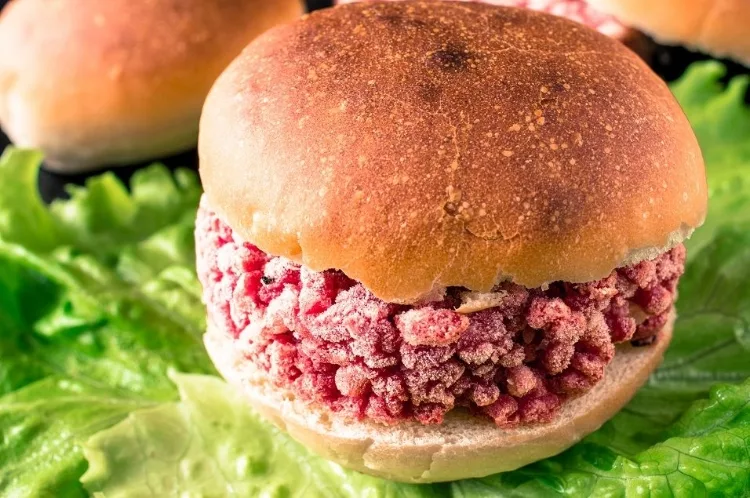
The truth is, most people either skip freezing altogether or do it wrong — ending up with dry, freezer-burned bread that nobody wants to eat. With the right wrapping technique and a little planning, your frozen buns will taste just as good as the day you bought them. This guide walks you through every step, from prep to thawing, so you get perfect results every single time.
And once those buns are thawed and ready, you can pair them with frozen burgers cooked right on the stove for a quick weeknight dinner that feels like a backyard cookout.
Contents
Hamburger buns are one of those grocery items that seem to go stale overnight. You open the bag, use four buns, and three days later the rest are hard as rocks. Freezing solves this problem completely. It locks in moisture and softness at the peak of freshness, giving you weeks or even months of usable buns whenever you need them.
Most store-bought hamburger buns last about five to seven days at room temperature before they start drying out. Preservatives in commercial brands can stretch that a bit, but homemade buns go stale even faster — often within two to three days. The culprit is starch retrogradation (the process where starch molecules recrystallize and push out moisture), which happens fastest at refrigerator temperatures. That's right — putting buns in the fridge actually makes them go stale quicker than leaving them on the counter.
According to the USDA's food safety guidelines, freezing food at 0°F keeps it safe indefinitely, though quality is best within the first three months. Hamburger buns fall right into that sweet spot — they freeze beautifully and thaw quickly.
Buying buns in multi-packs or during sales can cut your per-bun cost by 30 to 50 percent. But those savings only matter if the buns don't end up in the trash. Freezing lets you take advantage of bulk pricing without the waste. Over a year of regular burger nights, that adds up to real money — especially if you're feeding a family.
Some people worry that freezing ruins the texture of bread. It's a fair concern, but when done properly, the difference between a fresh bun and a correctly frozen one is almost undetectable. The key is all in how you wrap, freeze, and thaw them.
A properly frozen and thawed hamburger bun retains about 95 percent of its original texture. The crust stays intact, the inside stays pillowy, and the flavor doesn't change at all. Problems only show up when buns are exposed to air in the freezer or thawed too aggressively — like microwaving them on high until they turn rubbery.
Brioche and potato buns actually freeze especially well because their higher fat content protects against moisture loss. Standard white buns do great too. Whole wheat buns are the trickiest — they can get slightly denser after freezing — but proper wrapping minimizes this.
| Factor | Fresh Buns (Room Temp) | Frozen Buns (Properly Stored) |
|---|---|---|
| Shelf Life | 5–7 days | Up to 3 months |
| Texture After Storage | Gradually dries out | Stays soft when thawed correctly |
| Flavor Retention | Best in first 2 days | Excellent for 1–2 months |
| Cost Efficiency | Often wasted before use | Bulk buying saves 30–50% |
| Convenience | Ready immediately | Requires 15–60 min to thaw |
| Freezer Burn Risk | N/A | Low with double wrapping |
This is where most people go wrong. They toss the entire bag of buns into the freezer and hope for the best. That approach leads to freezer burn, stuck-together buns, and disappointment. Here's how to freeze hamburger buns the right way so every single one comes out perfect.
The goal is to create an airtight seal that blocks moisture loss and prevents freezer odors from seeping in. You have a few options, and they all work well:
Whichever method you choose, always freeze buns individually rather than in a stack. This prevents them from sticking together and lets you grab exactly how many you need without thawing the whole batch.
Write the date on every freezer bag with a permanent marker. It takes five seconds and saves you from guessing later. If you're freezing different types — say brioche for burgers and whole wheat for turkey burgers — label those too. First in, first out: put newer bags behind older ones so you use the oldest buns first.
Good freezer organization ties into planning balanced meals throughout the week. When you know exactly what's in your freezer and when it went in, meal prep becomes effortless.
You have three solid options for thawing frozen hamburger buns, depending on how much time you have:
Countertop thaw (best quality): Remove buns from the freezer and let them sit at room temperature, still wrapped, for 15 to 30 minutes. This gives you the closest result to a fresh bun. The wrapping prevents condensation from making the surface soggy.
Oven or toaster oven (best for toasted buns): Preheat to 350°F, sprinkle a few drops of water on each bun, wrap loosely in foil, and heat for 5 to 10 minutes. You get a warm, slightly crispy exterior with a soft center. Perfect for serving immediately.
Microwave (fastest): Wrap a bun in a damp paper towel and microwave on 50 percent power for 15 to 20 seconds. Check it, then add 5 to 10 seconds if needed. Full power turns buns rubbery, so always use half power. This method works in a pinch but the oven method gives better results.
Freezing is only half the battle. How you store and maintain those frozen buns over time determines whether they taste great or like cardboard when you finally use them.
Your freezer temperature matters more than you think. Keep it at 0°F or below — not just "cold." Many household freezers run closer to 10°F, which still freezes food but allows slow quality degradation over time. A simple freezer thermometer costs a few dollars and saves you from guessing.
Avoid storing buns near the freezer door. That's the warmest spot and experiences the most temperature fluctuation every time you open it. The back of the freezer is the most stable zone — put your buns there. If you're working with limited freezer space, think about how you design your kitchen layout to accommodate a chest freezer or a fridge with better freezer capacity.
Don't store buns next to strong-smelling foods like fish or onions, even when sealed. Over weeks, odors can permeate through plastic bags. Double wrapping helps, but physical separation is your best defense.
Even perfectly frozen buns sometimes need a little help after thawing. If a bun feels slightly dry on the outside, brush the cut side with a thin layer of melted butter and toast it face-down in a skillet for 30 seconds. This adds moisture back and creates a golden, slightly caramelized surface that's actually better than a fresh bun straight from the bag.
For buns that are destined for sloppy joes, pulled pork, or any saucy sandwich, a light toast prevents them from getting soggy under all that moisture. The same trick works when you're serving alongside grilled sausages — a toasted bun holds up to juicy toppings far better than a soft one.
Knowing what not to do is just as important as knowing the right steps. These are the errors that turn perfectly good buns into freezer casualties.
Freezing buns in the original packaging. That thin plastic bag from the grocery store is designed for short-term shelf storage, not the freezer. It's not airtight enough to prevent moisture loss over weeks. Always transfer buns to proper freezer-grade packaging.
Refreezing thawed buns is another common mistake. Once a bun has fully thawed, refreezing it creates ice crystals inside the bread structure that destroy the texture. If you've thawed more than you need, store the extras at room temperature and use them within a day or two.
Stacking unwrapped buns directly on top of each other before freezing guarantees they'll fuse into one solid block. Then you're left trying to pry them apart with a butter knife, tearing them in the process. Individual wrapping takes an extra minute but prevents this entirely.
Freezer burn happens when air reaches the surface of frozen food and causes dehydration. On buns, it shows up as dry, discolored patches that taste stale and papery. The fix is straightforward: eliminate air contact. Double wrapping — first in plastic wrap or foil, then in a sealed freezer bag — is your best protection.
If you notice frost forming inside the freezer bag, that's moisture escaping from the buns. This means the seal wasn't tight enough or the bag was opened and reclosed. Replace the bag, press out all the air, and reseal. Catching it early prevents further quality loss.
Also, avoid leaving your freezer door open while you rummage around looking for things. Those temperature swings cause repeated partial thawing and refreezing on the surface of your food — the number one cause of freezer burn over time. Know where your buns are, grab them, and close the door.
You can, but it's not recommended for more than a week or two. The original packaging isn't airtight enough for long-term freezer storage. For best results, wrap buns individually in plastic wrap or foil and place them in a freezer-safe bag with the air squeezed out.
Properly wrapped hamburger buns maintain their best quality for up to three months in the freezer. They remain safe to eat beyond that, but texture and flavor start to decline after the three-month mark. Vacuum-sealed buns can stay fresh for up to six months.
Yes, you should thaw them before using. The easiest method is leaving them on the counter for 15 to 30 minutes while still wrapped. You can also use the oven at 350°F for about 5 to 10 minutes or the microwave at half power for 15 to 20 seconds.
Absolutely. Homemade buns actually benefit the most from freezing since they lack preservatives and go stale faster at room temperature. Let them cool completely before wrapping and freezing — trapping steam inside the wrapping makes them soggy.
Freeze them pre-sliced if you plan to toast them directly from frozen, since you can pop each half straight into a toaster. Freeze them whole if you prefer a countertop thaw — whole buns retain slightly more moisture during freezing.
Stale-tasting frozen buns almost always come down to poor wrapping. Air exposure causes freezer burn and moisture loss, which creates that cardboard-like taste. Double wrap your buns and squeeze out all the air before sealing to prevent this.
It's not recommended. Refreezing creates large ice crystals inside the bread that break down the texture, leaving you with a dense and crumbly bun. Only thaw as many buns as you plan to use, and store any extras at room temperature for a day or two.
 |
 |
 |
 |

About Rick Goldman
Rick Goldman grew up traveling the Pacific Coast and developed an early appreciation for regional and international cuisines through exposure to diverse food cultures from a young age. That culinary curiosity shaped his approach to kitchen gear — he evaluates tools based on how well they perform across different cooking styles, ingredient types, and meal occasions. At BuyKitchenStuff, he covers kitchen equipment reviews, recipe guides, and food-focused buying advice.
Check for FREE Gifts. Or get our Free Cookbooks right now.
Disable the Ad Block to reveal all the recipes. Once done that, click on any button below
|
|
|
|
