by Daisy Dao
You're twenty minutes into making beef stew when you open the fridge and find an empty carton where the broth should be. You check the pantry — nothing. That exact moment is when knowing the best broth substitutes becomes genuinely useful, and worth learning before you're stuck mid-recipe wondering what to do next.

Broth shows up in more recipes than most people realize. Soups, stews, gravies, braised meats, rice dishes, and pan sauces all rely on it for both liquid and flavor. Without it, dishes can taste flat and watery. With the right substitute, though, you can keep cooking without missing a beat. Browse our kitchen and cooking guides for more ingredient swaps and recipe tips like this one.
The key to any good broth substitute is understanding what broth actually contributes to a dish — then choosing an alternative that fills at least most of that role. Some options are nearly identical in function. Others need a small adjustment but work just fine. Let's walk through all of them.
Contents
Before you can swap something out confidently, it helps to understand what you're replacing. Broth brings three main things to a recipe: liquid volume, salt, and savory depth — that savory quality often called umami (a Japanese term for the fifth basic taste, the one that makes food taste rich and meaty). Miss any of those three, and you'll notice it in the final dish.
Stock and broth are often treated as the same thing, but there's a meaningful difference. Stock is made by simmering bones, which releases collagen and creates a thicker, richer liquid. Broth is made from meat and vegetables, and it tends to be lighter and more seasoned from the start. According to Wikipedia's entry on broth, the two are frequently swapped in home cooking, though stock gives a silkier mouthfeel to finished sauces and soups.
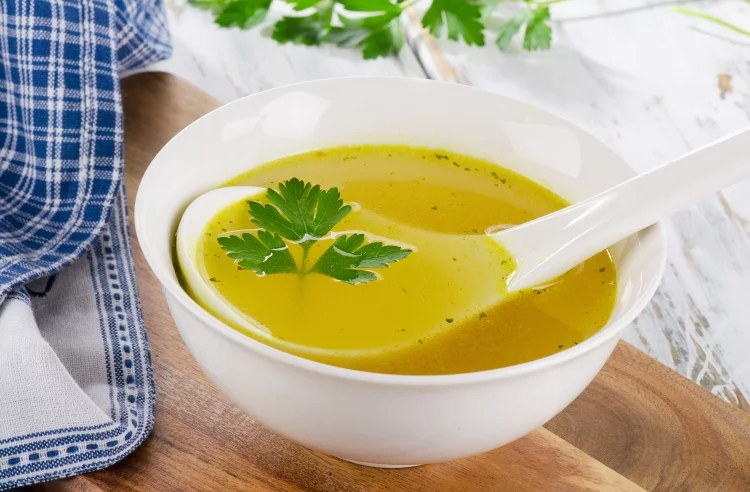
When a recipe calls for broth instead of water, it's asking for flavor and body at the same time. Water dilutes. Broth builds. Even a modest amount — half a cup in a pan sauce — makes a noticeable difference in the final taste. That's exactly why finding the best broth substitutes matters: you want to keep that flavor foundation intact even when your pantry is running low.
Here's where it gets practical. Several pantry staples can step in for broth without a trip to the store. Each one has a slightly different flavor profile, so the best choice depends on what you're making and how much the broth flavor matters in the finished dish.
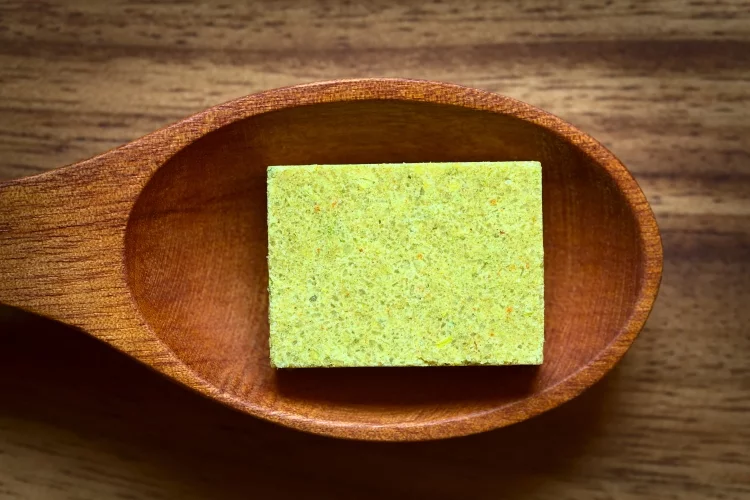
Bouillon cubes — concentrated flavor blocks that dissolve in hot water — are the most direct substitute you can reach for. One cube dissolved in one cup of hot water equals roughly one cup of broth. Beef base, a thick paste version of the same concept, works the same way but with more intensity per teaspoon. Use about one teaspoon per cup of water. Both options tend to be saltier than regular broth, so taste before reaching for the salt shaker.
Curious how beef base compares to other beef-flavored liquids? Our guide to beef consomme substitutes breaks down the differences between beef broth, beef stock, beef base, and consomme — and when each one is the smarter call for your recipe.

These three condiments all share a powerful umami punch. For each cup of broth your recipe needs, mix one tablespoon of soy sauce or Worcestershire sauce into one cup of water. Liquid aminos (a soy sauce alternative fermented from coconut sap or soybeans) work the same way, with slightly less sodium overall. None of these taste exactly like broth, but in a slow-cooked stew or a marinade, the difference is barely noticeable.
If you use soy sauce as a broth substitute, cut any other added salt by at least half — soy sauce is significantly saltier than standard broth and can easily overpower a dish before you realize it.

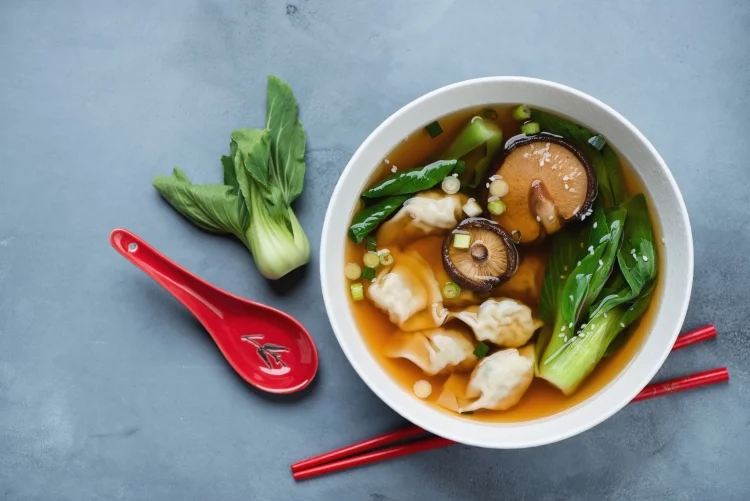
Vegetable broth is the smoothest swap for chicken or even beef broth in most recipes. It's mild, widely available, and handles the liquid-plus-flavor role without adding anything unexpected. Mushroom broth is a particularly strong substitute for beef-heavy dishes, because mushrooms naturally contain glutamates — the compounds that create umami. You can make a quick version at home by simmering dried mushrooms in water for fifteen to twenty minutes, straining out the solids, and using the liquid directly. It's earthy, rich, and surprisingly close to a light beef broth in depth.
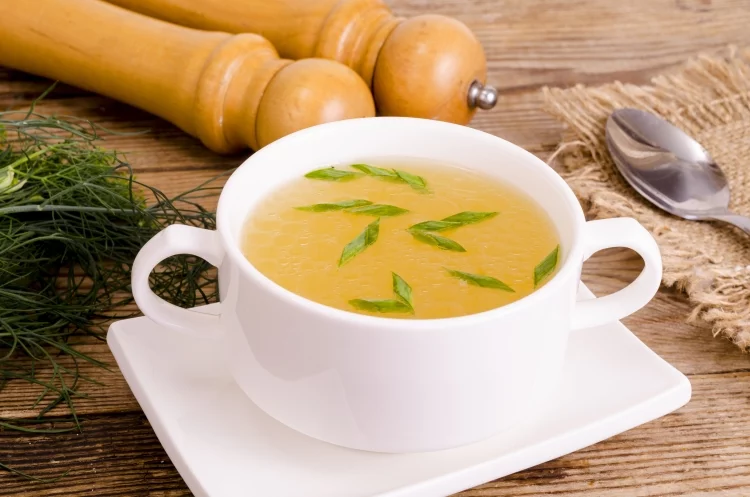
Sometimes the easiest move is using whatever broth you already have. Chicken broth in place of beef broth works in most recipes — the flavor will be lighter, but soups and stews can handle the swap well. Vegetable broth for chicken broth follows the same logic: lighter, slightly sweeter, and still functional. The one case where swapping broth types matters most is in dishes where the broth flavor is front and center. Our post on how to cook and serve beef stroganoff is a good reference for understanding how broth shapes that dish's character, and why the flavor of the liquid you use makes a real difference there.

| Substitute | Ratio to Replace 1 Cup Broth | Best Used For | Flavor Notes |
|---|---|---|---|
| Beef base (paste) | 1 tsp + 1 cup water | Stews, braises, gravies | Rich, meaty, salty |
| Bouillon cube | 1 cube + 1 cup water | Most cooked dishes | Savory, concentrated, salty |
| Vegetable broth | 1:1 direct swap | Soups, rice, light dishes | Mild, slightly sweet |
| Mushroom broth | 1:1 direct swap | Hearty dishes, risotto | Earthy, umami-rich |
| Soy sauce | 1 tbsp + 1 cup water | Marinades, stews, braises | Salty, umami, dark color |
| Worcestershire sauce | 1 tbsp + 1 cup water | Beef dishes, gravies | Complex, tangy, savory |
| Liquid aminos | 1 tbsp + 1 cup water | Lower-sodium cooking | Mild umami, less salty |
| Chicken broth | 1:1 direct swap | Most recipes | Lighter, less beefy |
The table above gives you a quick reference, but the short version is this: bouillon cubes and beef base are the closest replacements because they're specifically designed to mimic broth in concentrated form. Soy sauce and Worcestershire fill the umami role well but add color and a distinct taste of their own. Vegetable and mushroom broth are the most neutral options and the easiest to use without adjusting anything else in your recipe.
Long-cooked dishes are the most forgiving. A braise that simmers for two or three hours will absorb and blend flavors until subtle differences disappear entirely. Chili, bean soup, and slow-cooker meals all fall into this category. Bouillon dissolved in water, vegetable broth, or a splash of soy sauce with water all work well in these contexts. Marinades are another easy win — since the broth is mainly acting as a liquid carrier and flavor booster, any close substitute does the job. Using up what you already have on hand before it goes bad is also just smart cooking. Our tips on how to reduce food waste cover more ways to make the most of what's already in your kitchen.
Clear soups, ramen-style broths, and any recipe where the liquid is served as-is are trickier. When broth is the star — not just a background player — a substitute shows its limits more clearly. Water with soy sauce tastes like seasoned water, not beef broth. Vegetable broth in a pho is noticeably different from the real thing. If the dish specifically calls for a nuanced beef or chicken flavor and the liquid is central to the eating experience, it's worth being more selective about your swap. The same principle applies across ingredient substitutions generally — some swaps work great, and some fall short when the original ingredient is doing something specific. Our guide on Gruyere cheese substitutes explores that exact tension in the context of cheese, and the thinking transfers here too.
The most common mistake is not adjusting for the extra salt most substitutes bring. Bouillon cubes, soy sauce, and Worcestershire are all significantly saltier than standard broth. If you don't scale back your seasoning elsewhere, the dish ends up over-salted and difficult to fix. Always taste after adding the substitute and before adding any additional salt to the recipe.
Using chicken broth in a mushroom risotto works fine. Using it in a dish that specifically needs a bold beef flavor will leave it tasting thin and underwhelming. Match the substitute to the dish's flavor needs, not just the liquid volume. A practical trick: add a small amount of tomato paste or a dash of Worcestershire alongside a neutral broth substitute for a richer, meatier flavor in beef-forward dishes.
Concentrated products like beef base and bouillon are easy to overuse. More isn't better here — it just makes the dish taste sharp and oversalted. Stick to the recommended ratios (one teaspoon of base per cup, one bouillon cube per cup), then taste and adjust from there if needed. The same careful approach applies to any strong-flavored substitute. Just as with spice swaps covered in our serrano pepper substitute guide, starting conservative and building up gives you far more control over the final result.
If you want to be ready for moments when broth runs out, a few staples cover most situations. A carton of vegetable broth stores well and handles beef, chicken, and vegetable recipes equally. A small jar of beef base or a box of bouillon cubes takes up almost no shelf space and lasts a long time. Soy sauce is already in most kitchens. Between these three, you're covered for nearly any recipe that calls for broth — and you avoid the scramble that comes from running out with no backup plan.
If you cook regularly, making and freezing your own broth is one of the most practical habits you can build. Save vegetable scraps — onion skins, carrot tops, celery ends, herb stems — in a bag in the freezer. When the bag is full, simmer everything in a large pot of water for an hour, strain out the solids, and freeze the liquid in one-cup portions using a muffin tin or silicone molds. It costs almost nothing, reduces waste, and gives you genuine homemade broth on demand. For recipes that lean heavily on broth as a flavor base, that homemade version is harder for any substitute to beat.
You can, but plain water adds nothing beyond liquid volume. Your dish will likely taste flat and under-seasoned compared to using broth. If water is your only option, add a pinch of salt and any umami-boosting ingredient you have on hand — a splash of soy sauce, a small spoon of tomato paste, or even a few drops of Worcestershire — to get closer to what broth contributes.
One standard bouillon cube dissolved in one cup of hot water equals approximately one cup of broth. For beef base paste, the standard ratio is one teaspoon per cup of water. Both are significantly saltier than most store-bought broths, so reduce other seasoning in the recipe accordingly.
Vegetable broth works well in most long-cooked recipes like stews, soups, and braises, where flavors have time to blend. It's lighter and less meaty than beef broth, so dishes where the beef flavor is central — like French onion soup or a beef gravy — will taste noticeably different. Adding a small amount of soy sauce or tomato paste to the vegetable broth helps close that flavor gap.
Yes, it can matter significantly. Bouillon cubes and beef base contain animal products and are not suitable for vegan or vegetarian cooking. Soy sauce, liquid aminos, mushroom broth, and vegetable broth are all plant-based options. If you're cooking for someone with soy allergies, liquid aminos made from coconut sap (rather than soybeans) is a useful workaround. Always check labels for allergens before substituting.
The best broth substitute isn't the one that tastes most like broth — it's the one you already have, used with a little awareness of what it brings and what it doesn't.
 |
 |
 |
 |

About Daisy Dao
Daisy Dao grew up in Honolulu, Hawaii, where coastal living and access to fresh local ingredients shaped her approach to home cooking from an early age. She has spent years experimenting with seafood preparation, healthy cooking methods, and ingredient substitutions — developing hands-on familiarity with a wide range of kitchen tools, techniques, and produce. At BuyKitchenStuff, she covers healthy recipes, cooking techniques, and ingredient substitution guides.
Check for FREE Gifts. Or get our Free Cookbooks right now.
Disable the Ad Block to reveal all the recipes. Once done that, click on any button below
|
|
|
|
