Kitchen Gadgets & Equipment Reviews ›
by Christopher Jones
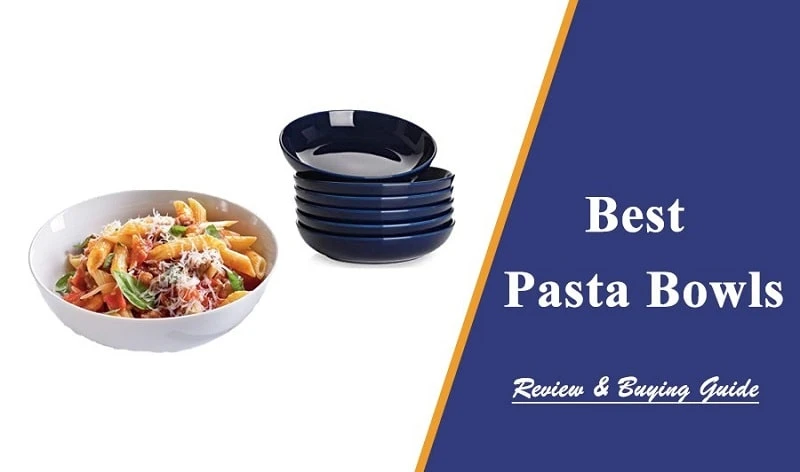
Which pasta bowl will actually make your weeknight spaghetti look like something from a restaurant kitchen — and which one is going to chip after three months in the dishwasher? That's the real question, and it's one worth answering before you spend money on a set you'll regret. If you're in a hurry, the Sweese 22oz Porcelain Pasta Bowls stand out as the most versatile, well-priced option for everyday use — but there's a lot more to consider before you decide.
Pasta bowls are a genuinely different category from regular dinner plates or soup bowls. The wide, shallow rim gives you room to twirl fettuccine without fighting the sides, while the deeper center holds sauce where it belongs. Whether you're plating a casual weeknight cacio e pepe or hosting a proper Sunday dinner, the bowl you serve it in affects both the experience and the presentation. According to Wikipedia's overview of pasta, it's one of the most widely consumed foods in the world — so it makes sense to serve it right. If you're also interested in making your own from scratch, check out our Best Pasta Maker Buying Guide for recommendations on home pasta machines.
In this guide, we've reviewed seven of the best pasta bowls you can buy on Amazon in 2026, covering everything from budget-friendly porcelain sets to premium French stoneware. You'll find detailed breakdowns of each product's materials, capacity, durability, and real-world usability — plus a buying guide and FAQ section to help you make the right call. Browse more kitchen essentials over at our full reviews section.
Contents


If you want a reliable, attractive set that covers a table of six without breaking the bank, the Sweese pasta bowls are a smart starting point. Each bowl holds 22 ounces and measures 7.6 inches across — wide enough to handle a generous mound of pasta without spillage, yet compact enough to stack neatly in a standard cabinet. The clean white finish works with virtually any table setting, and the classic round shape keeps the focus on your food rather than the dish itself.
What makes these bowls particularly appealing is how Sweese has handled durability. They're fired at 1300°C, which produces a dense, vitrified porcelain that resists chips and scratches better than softer ceramics at this price point. The lead-free glaze holds up well across hundreds of dishwasher cycles, and the bowls go safely into the microwave and freezer too. You're not sacrificing convenience for style here. For a six-piece set at this price, that combination is genuinely hard to beat.
The 22-ounce capacity is worth thinking about. It's comfortable for a single serving of pasta with sauce, but if you tend to serve generous portions or like a lot of extra toppings, you might occasionally wish for a bit more depth. Still, for most households and everyday use, the size is spot-on. These are the kind of bowls that quietly do their job well every single day.
Pros:
Cons:
Le Creuset needs no introduction in the kitchen world. The brand has spent decades building a reputation for cookware and bakeware that lasts a lifetime, and these stoneware pasta bowls carry that same philosophy into your dining table. Each bowl measures 8.5 inches across — slightly larger than the Sweese — and the stoneware construction feels noticeably denser and more substantial when you hold it. This is dinnerware that you buy once and hand down.
The colorful glaze Le Creuset applies to these bowls is non-porous and non-reactive, which means it won't absorb odors, stains, or flavors from acidic tomato sauces over time. The virtually nonstick interior releases food cleanly and resists the crazing and cracking that shows up in cheaper ceramics after a year or two of use. They're also scratch-resistant — important if you eat with metal utensils. White is the option listed here, but Le Creuset typically offers these in their signature color range if you want something more distinctive.
The trade-off is price. You're paying a significant premium for the Le Creuset name and quality, and you only get four bowls rather than six. For a household of four where you care deeply about longevity and you want dinnerware that looks beautiful years from now, that premium is justified. If you're outfitting a larger table on a budget, look elsewhere. But if you're the type of cook who invests in quality tools — and you already own a Le Creuset Dutch oven — these bowls make perfect sense.
Pros:
Cons:
If you've ever eaten at a mid-to-upscale Italian restaurant and admired how the pasta was plated — twirled in the center of a wide, elegant bowl with plenty of breathing room — that look comes largely from the vessel. The BIA Cordon Bleu pasta bowl replicates exactly that aesthetic. At 12 inches across with a wide, flat rim, this is significantly larger than most pasta bowls in this category, and the 20-ounce capacity sits in the center well, giving you that classic restaurant presentation at home.
BIA Cordon Bleu is a brand with deep roots in professional foodservice, and it shows in the construction. The white porcelain is bright and cleanly finished, with a glaze that photographs beautifully if you're the type to document your cooking. The wide rim also gives you room to wipe the edge cleanly before serving, which home cooks often overlook but which makes a real difference when you're trying to impress guests. This is the bowl you reach for when presentation actually matters.
The wide rim does mean the bowl takes up more space than a standard pasta bowl — both on the table and in your cupboard. If you're tight on storage or regularly feeding a crowd, the footprint could be a practical issue. But for a dinner party for four or six where the meal is the event, the drama of a wide-rimmed pasta bowl is hard to replicate with anything smaller. Pair it with a drizzle of quality olive oil — our Best Olive Oil Sprayers guide has some great options for finishing pasta — and the result looks like something you'd pay $25 for at a restaurant.
Pros:
Cons:
Not everyone wants white bowls. If your kitchen aesthetic leans toward something with more personality — think blue-and-white farmhouse, Mediterranean, or vintage cottage — the vancasso Selene set is going to catch your eye immediately. The classic blue and white floral pattern is reminiscent of traditional Chinese porcelain, and it translates beautifully onto a shallow pasta bowl. Six bowls, each 8.5 inches wide with a generous 40-ounce capacity. That's nearly double the volume of the Sweese set, which means you can serve truly generous portions without things feeling cramped.
The capacity jump here is significant and worth calling out. Forty ounces is large enough to double as a serving bowl for a side salad or a family-style dish of pasta primavera. For households where bowl versatility matters — you want one bowl that works for pasta, soup, salad, and grain bowls — the Selene set covers all of that. The wide, shallow design means it doesn't feel like a mixing bowl; it still plates food attractively.
Material quality is solid for the price point. The high-quality porcelain construction is chip-resistant, and the bowls are listed as microwave safe. The blue and white pattern is fired under the glaze rather than painted on top, which means it won't fade or wear off over repeated washing. The main consideration here is purely aesthetic — if your existing dinnerware is plain white or a solid color, the floral pattern may or may not integrate with what you already own. But if you're building a set from scratch or want something visually distinct, these make a lovely table.
Pros:
Cons:
Every other bowl in this guide is ceramic or porcelain — breakable, heavy, and best kept indoors. The Crow Canyon Home Enamelware pasta plate is a completely different animal. Made from steel coated in porcelain enamel, each plate is lightweight, virtually shatterproof, and happy to be used on a picnic table, a camping trip, or a backyard barbecue. At 10.5 inches wide and with a 1.25-quart (40oz) capacity, the size is genuinely impressive — this is a large, generous plate.
The blue and white splatter pattern gives these plates a classic, nostalgic look that holds up well outdoors and indoors alike. The enamelware construction means you don't have to worry about dropping them — they'll dent before they shatter, which is exactly what you want when you're eating outside. At a set of four, they're practical for a small family or a group of friends, and cleanup is easy: just wipe or rinse, as the enamel surface doesn't absorb food or odors.
There are trade-offs specific to enamelware. First, these are not microwave safe — the steel core will arc in a microwave. Second, the enamel coating can chip if struck against hard surfaces, exposing the steel underneath, which can rust if left wet. Neither of these is a dealbreaker for their intended use case, but they're worth knowing. If you need bowls purely for indoor, everyday dining, a porcelain set will serve you better. But if you want something truly versatile that can go from the kitchen table to the campsite, these Crow Canyon plates earn their spot on this list.
Pros:
Cons:
Emile Henry has been making ceramics in Burgundy, France since 1850 — which means they were perfecting their craft before most kitchen brands existed. The EVERYDAY COLLECTION pasta bowls represent the company's commitment to bringing that heritage into a practical, contemporary format. Each bowl measures 8.75 inches across and holds 1 quart (32 ounces), which hits a sweet spot between the compact 22oz of the Sweese set and the enormous 40oz of the Selene. The sugar and cream colorway is soft and warm, designed to mix with both traditional and modern table settings.
The material sets Emile Henry apart from most competition. These bowls are made from high-fired Burgundy clay using their proprietary HR (high resistance) technology — the result is a ceramic that is genuinely harder and more resistant to daily abuse than standard porcelain. The glaze is extremely hard, resists scratching even with metal utensils, doesn't stain, and doesn't craze over time. Importantly, these bowls are oven safe, broiler safe, and microwave safe — a combination you don't often see at this level. If you ever want to serve pasta bakes or baked pasta dishes directly from oven to table, these handle it.
The price sits between the Sweese and the Le Creuset — premium but not extravagant. Four bowls is the right count for many households, and the 1-quart capacity is generous enough for a full meal without feeling like you're eating from a mixing bowl. The Everyday Collection also mixes with Emile Henry's Modern Classics line if you want to expand your collection over time. If you're the kind of cook who values both beauty and function and wants dinnerware that lasts decades, these French-made bowls are worth serious consideration in 2026.
Pros:
Cons:
Every bowl we've covered so far is an individual serving bowl. The Williams Sonoma Savona is something different: a 14-inch family-style serving bowl designed to go in the center of the table, not in front of a single diner. This is the bowl you toss the pasta in after draining it, carry to the table, and let everyone serve themselves from. At 14 inches, it's large enough for a full pound of pasta with sauce — the kind of centerpiece that elevates a casual dinner into something that feels intentional.
The design story is particularly interesting. The bowl is handcrafted with fired clay tiles in Portugal, featuring a paisley pattern that lands somewhere between rustic and sophisticated. This is artisan dinnerware with genuine character — no two bowls are identical because they're made by hand. The porcelain construction is high quality and built for longevity, and the round shape means it sits stably on the table without risk of tipping when laden with food. Williams Sonoma has a long track record with Portuguese ceramics, and this piece reflects that heritage.
The intended use case is specific, and that's worth acknowledging. If you want individual pasta bowls for each person at the table, this isn't what you're looking for. But if you already have individual bowls and want a proper serving vessel that makes the whole setup look cohesive and considered, the Savona fills that role beautifully. It also works as a salad bowl, a bread bowl, or purely as a decorative piece when it's not in use. If you're building a kitchen that makes pasta night feel special from start to finish, a statement serving bowl like this one is the finishing touch.
Pros:
Cons:
The material your pasta bowl is made from affects everything — how long it lasts, how it handles heat, how it looks over time, and how much it weighs. Porcelain is the most common choice and for good reason: it's dense, non-porous, and takes a glaze beautifully. High-fired porcelain (1300°C and above, like the Sweese) is harder and more chip-resistant than lower-temperature ceramics. Stoneware, as used by Le Creuset, is thicker and heavier — it retains heat better and is even harder to chip, but it adds weight to each bowl. Enamelware (like the Crow Canyon) is steel coated in porcelain enamel — nearly unbreakable, but not microwave safe and vulnerable to chipping at the coating level. For most households, high-fired porcelain strikes the best balance between durability, weight, and versatility.
Pasta bowl capacity ranges from about 20 ounces (the BIA Cordon Bleu's center well within its wide rim) to 40 ounces (the vancasso Selene and Crow Canyon enamelware). The right size depends on how you eat. A standard single serving of pasta is roughly 2 cups, which sits comfortably in a 22–28oz bowl. If you like generous portions, want to use the bowl for other dishes like soup or grain bowls, or regularly eat salads with lots of toppings, 32–40oz gives you breathing room without overflowing. Bowl diameter matters too: a wider bowl (8.5–12 inches) makes twirling easier and gives the dish a more elegant presentation, while a smaller-diameter bowl feels more casual and stacks more compactly in the cupboard.
Not all glazes are created equal. A non-porous, non-reactive glaze is critical for pasta bowls specifically because tomato-based sauces are highly acidic and will stain a porous surface over time. Look for descriptions like "non-porous," "scratch-resistant," "chip-resistant," and "resists crazing." Crazing refers to the network of fine hairline cracks that can develop in a glaze after repeated heating and cooling cycles — it's primarily a cosmetic issue, but it can harbor bacteria if severe. Premium brands like Le Creuset and Emile Henry explicitly engineer their glazes to resist this. For budget sets, check reviews to see how the glaze holds up after a year of dishwasher use before committing to a large purchase.
Think practically about how many people you regularly cook for. A set of four covers most households; a set of six gives you room for guests without pulling out mismatched bowls. It's also worth considering whether you're buying individual serving bowls, a family-style serving vessel like the Williams Sonoma Savona, or both. If you cook pasta frequently, owning both an individual set and a large serving bowl makes pasta night significantly smoother. And if your cooking extends to making fresh pasta at home, check out our Best Pasta Maker Buying Guide for the machines that pair well with a proper pasta bowl setup. Finally, consider whether the design you choose will still work as your kitchen evolves — a plain white or neutral-toned bowl integrates with almost any aesthetic, while a bold pattern commits you to a specific look.
For most people, a pasta bowl between 22 and 32 ounces with a diameter of 8 to 9 inches hits the sweet spot. This gives you enough room for a generous serving of pasta and sauce without the bowl feeling oversized on the table. If you regularly eat large portions or want to use the bowl for other dishes like soup or salad, leaning toward the 32–40oz range makes sense. The wide, shallow shape is more important than raw volume — you want enough diameter (at least 7.5 inches) to twirl pasta comfortably without fighting the sides.
Most modern porcelain and stoneware pasta bowls are dishwasher safe, and the ones reviewed here — Sweese, Le Creuset, BIA Cordon Bleu, vancasso Selene, and Emile Henry — all confirm this. The exception is enamelware (like the Crow Canyon plates), which technically survives the dishwasher but is better hand-washed to preserve the enamel coating and prevent chipping. Always check the manufacturer's instructions, and place bowls on the top rack if possible to minimize impact with other items during the wash cycle.
Most high-quality porcelain and stoneware pasta bowls are microwave safe, but it depends on the specific product and glaze. The Sweese, Le Creuset, BIA Cordon Bleu, vancasso Selene, and Emile Henry bowls covered in this guide are all microwave safe. The one exception is the Crow Canyon enamelware — because it has a steel core, it cannot go in the microwave. Always check your product's documentation. If you frequently reheat leftovers, microwave compatibility should be a non-negotiable on your checklist.
A pasta bowl is specifically designed with a wide, shallow shape and a broad flat or slightly sloped rim. This design makes it easy to twirl long pasta like spaghetti or fettuccine, prevents splashing when saucing, and allows the pasta to spread naturally across the surface for a better presentation. A regular soup bowl is deeper and narrower, which makes twirling awkward and crowds the pasta. A standard dinner plate doesn't have sides, so sauce pools and spills. The pasta bowl's geometry is purpose-built, and once you use one regularly, eating pasta from a regular bowl feels like a downgrade.
For everyday use, high-fired porcelain remains the best all-around material in 2026. It's dense, non-porous, dishwasher and microwave safe, lightweight enough to handle daily, and available at every price point. If you want the absolute best durability and are willing to spend more, high-resistance stoneware (like Le Creuset) or Emile Henry's Burgundy clay construction offers superior resistance to scratching, crazing, and chipping. Enamelware is the best material specifically for outdoor and camping use. Avoid low-temperature ceramics with thin glazes — they look fine initially but tend to stain, craze, and chip within a year of regular use.
Chipping almost always happens at the rim, typically from impact with other dishes during stacking, washing, or storage. To minimize chipping, stack bowls carefully with a soft cloth or silicone mat between them, avoid overloading the dishwasher basket, and don't drop them on hard surfaces. Buying high-fired porcelain or stoneware significantly reduces the risk to begin with — these materials are denser and harder than standard ceramics. Brands that specifically describe their products as "chip-resistant" (like Sweese, Le Creuset, and Emile Henry) have typically used a harder glaze formulation that is meaningfully more resistant than average.
 |
 |
 |
 |

About Christopher Jones
Christopher Jones holds an MBA from the University of San Francisco and brings a business-minded approach to kitchen gear evaluation — assessing products not just for performance but for long-term value, build quality, and real-world usability in everyday home cooking. He has spent years testing appliances, cookware, and kitchen gadgets with the same analytical rigor he developed in business school. At BuyKitchenStuff, he covers kitchen appliance reviews, buying guides, and practical cooking tips.
