Kitchen Gadgets & Equipment Reviews ›
by Daisy Dao
The Lakanto Monk Fruit Sweetener with Erythritol is our top pick for 2026 because it delivers a clean, authentic sweetness that holds up beautifully in everything from morning coffee to complex baked goods. If you have been searching for a sugar substitute that actually tastes like sugar without the blood sugar spikes, the bitter aftertaste, or the excess calories, then monk fruit sweeteners are the category you need to explore this year.
Monk fruit — known botanically as Siraitia grosvenorii — has been used as a natural sweetener in Asia for centuries, and its active compounds, called mogrosides, are roughly 150 to 200 times sweeter than table sugar according to Wikipedia's overview of monk fruit. That extreme potency means manufacturers typically blend monk fruit extract with a carrier like erythritol or allulose so the final product measures out at a 1:1 ratio with regular sugar, making it much easier to use in your everyday recipes. Whether you are following a keto diet, managing diabetes, or simply trying to cut refined sugar from your household, the right monk fruit sweetener will feel almost indistinguishable from the real thing — and in blind taste tests, several of the products on this list genuinely pass for sugar.
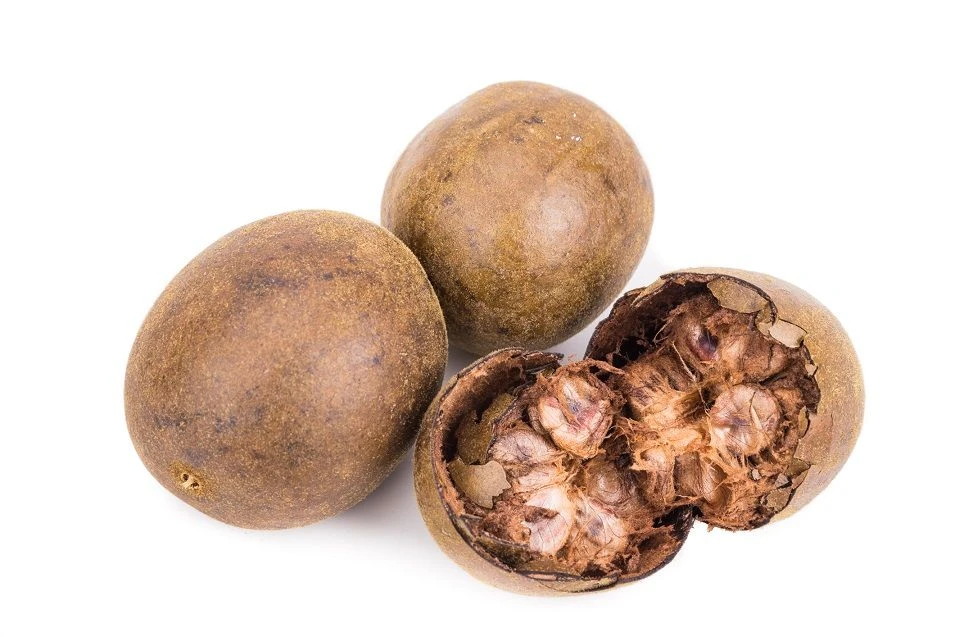
We reviewed seven of the most popular monk fruit sweeteners available on Amazon in 2026, evaluating taste, texture, dissolving behavior, baking performance, and value for money. Our selection covers everything from classic white granulated formats to golden raw-sugar alternatives, liquid drops for beverages, and ultra-fine powdered options for frostings and glazes. If you love experimenting in the kitchen — perhaps with an ice cream maker or a hot chocolate maker — you will find a format here that slots seamlessly into your routine. You can also browse our full kitchen product reviews for more guides like this one.
Contents
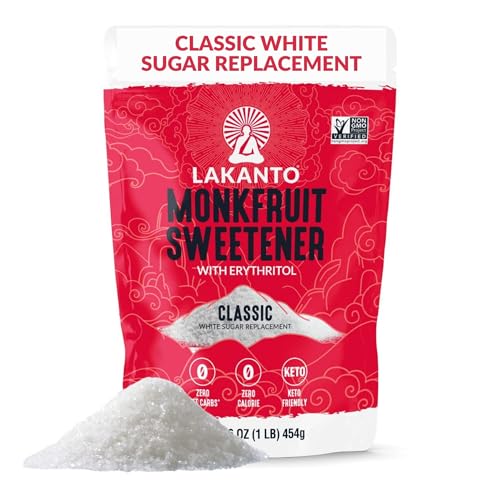


Lakanto's Classic White Monk Fruit Sweetener has become the benchmark product in this category for good reason — it dissolves cleanly in hot and cold beverages, measures exactly cup-for-cup like white sugar, and produces baked goods with the kind of texture and rise you expect from real sugar. The combination of non-GMO monk fruit extract and erythritol gives you zero net calories and zero glycemic impact without the harsh chemical taste that plagued earlier generations of sugar substitutes. It's the sweetener you reach for first when a recipe calls for white sugar and you want a result that tastes exactly like the original.
Performance in baking is genuinely impressive across a wide range of applications. Cookies hold their shape, cakes develop a proper crumb, and cold coffee drinks stay sweetened without any gritty residue at the bottom of the glass. The erythritol carrier provides a clean flavor profile with only the mildest cooling sensation on the palate, which most people stop noticing entirely after a few uses. At one pound per bag, it represents solid value for anyone who bakes regularly or sweeten multiple beverages per day.
The only real limitation is that erythritol can cause digestive discomfort in very large quantities, so if you are prone to sensitivity you will want to moderate your daily use. Overall, though, this is the product we recommend to anyone just starting out with monk fruit sweeteners in 2026 — it's the easiest transition from conventional white sugar you will find on the market.
Pros:
Cons:
If your baking relies on the deep, molasses-tinged warmth of raw cane sugar or brown sugar, the Lakanto Golden is the product you need to reach for instead of the Classic White. It has been specifically formulated to replicate the rich, caramel-forward flavor of turbinado or raw cane sugar, and when you use it in banana bread, oatmeal cookies, or spiced muffins, the taste difference from conventional brown sugar is genuinely difficult to detect. The 3-pound bag format also makes it excellent value for households that bake frequently or go through large quantities each week.
The golden color comes from a different ratio of monk fruit extract that mimics the natural tones of less-refined cane sugars, and the texture is slightly coarser than the Classic White, which helps it blend into dry ingredient mixes in exactly the way you expect raw sugar to behave. It caramelizes reasonably well under heat and adds the kind of depth to sauces and glazes that a plain white sweetener simply cannot provide. For people who love cooking savory-sweet barbecue glazes or making granola, this is the format that delivers the closest real-sugar experience.
One thing to keep in mind is that it does not dissolve quite as quickly as the Classic White in cold beverages, so it is best reserved for baking and warm drinks rather than iced coffee. But for its intended purpose — replacing raw or brown sugar in recipes — it performs at the top of its class.
Pros:
Cons:
Powdered sugar has one job in most recipes — to create smooth, lump-free frostings, glazes, and confections — and Lakanto's Powdered Monk Fruit Sweetener does exactly that job without the blood sugar spike. The ultra-fine grind means it blends into buttercream or cream cheese frosting with a silky consistency that would be hard to distinguish from classic confectioners' sugar, and the zero calorie, zero glycemic profile means you can frost a birthday cake without feeling like you have completely derailed your health goals.
It works exceptionally well dusted over waffles, donuts, and fresh fruit, and it incorporates smoothly into keto cheesecakes and low-carb mousse recipes that depend on a fine sugar texture for their structure. The erythritol base holds moisture slightly differently than cornstarch-based confectioners' sugar, which means your frostings may be a touch firmer at room temperature — but this is actually an advantage for piped decorations that need to hold their shape.
Use it anywhere you would reach for powdered or confectioners' sugar, and you will get results that are visually and texturally on par with the conventional version. It's a specialized product with a very specific role in the kitchen, but within that role it is the best zero-calorie option available in 2026.
Pros:
Cons:
For people whose primary use case is sweetening beverages rather than baking, the NOW Foods Certified Organic Monk Fruit Liquid is the most practical and efficient option on this list. A single 2-ounce bottle contains enough concentrate to sweeten hundreds of cups of coffee, tea, or sparkling water, and because it is in liquid form there is no risk of undissolved granules lingering at the bottom of your drink. The certified organic formulation and the clean ingredient list — essentially pure monk fruit extract in water — make it the most straightforward, no-filler option available if you want pure monk fruit sweetness without erythritol or any other carrier compound.
The taste is vibrant and sweet with very little aftertaste, which sets it apart from liquid stevia products that tend to carry a distinct herbal or metallic finish. Because monk fruit is up to 200 times sweeter than sugar, you only need a few drops per cup, so this tiny 2-ounce bottle represents remarkable value over time. It's also completely portable — drop it in your bag and sweeten your coffee at any café without worrying about packets or measuring spoons.
The limitation is that it does not work well in baking, where liquid sweeteners change the moisture balance of a recipe significantly. But for pure beverage use, this is the gold standard in zero-calorie monk fruit sweetening in 2026, and its low glycemic impact makes it an outstanding daily companion for anyone managing blood sugar levels.
Pros:
Cons:
The So Nourished GOLD Brown Sugar Alternative delivers a convincing brown sugar flavor experience at a competitive price point, and the generous 2.5-pound bag gives you significant volume for the cost. In blind taste tests, users consistently mistake it for real brown sugar in cookies and muffins, which is the highest compliment any sugar substitute can receive — and So Nourished earns that comparison honestly with a formulation that produces no bitter aftertaste whatsoever. The combination of monk fruit extract and erythritol creates zero net carbs and zero net calories while still delivering the kind of moist, deeply flavored baked goods that brown sugar is famous for producing.
It measures out at a 1:1 ratio with brown sugar, which means you do not need to recalculate any of your existing recipes. Use it in oatmeal cookies, chocolate chip cookies, sweet potato casseroles, and glazes exactly as you would use conventional brown sugar and the results will be indistinguishable to most palates. The texture is similar enough to light brown sugar that it packs into a measuring cup correctly and releases cleanly, just like the real thing.
For keto and low-carb dieters who bake often and go through brown sugar at a high rate, the 2.5-pound size represents the best combination of quality and value in this format. If you have been pairing your baking sessions with something like a quality maca powder supplement for extra nutritional support, this sweetener fits seamlessly into that health-conscious kitchen routine.
Pros:
Cons:
If erythritol sensitivity is the reason you have been reluctant to try monk fruit sweeteners, the Wholesome Yum Besti Powdered is the product that removes that barrier entirely. Instead of erythritol as the carrier, it uses allulose — a rare, naturally occurring sugar that your body cannot metabolize, meaning it provides zero net calories and zero glycemic impact while behaving far more like conventional sugar in terms of browning, caramelization, and texture. The result is a powdered sweetener that dissolves without the cooling sensation that erythritol products sometimes impart, and that caramelizes authentically under heat rather than crystallizing or turning grainy when the temperature drops.
The practical advantage of allulose over erythritol shows up most clearly in frostings and glazes that need to sit at room temperature for extended periods — Besti-based frostings stay smooth and creamy rather than developing the firm, almost crunchy texture that some erythritol frostings produce after an hour on the counter. It also does not recrystallize when refrigerated, which makes it ideal for keto cheesecakes and chilled desserts that you prepare ahead of time. The two-ingredient formula — monk fruit extract and allulose — is as clean and transparent as formulations get in this category.
At 12 ounces it is a smaller package than some competitors, but for a specialty erythritol-free product at this quality level the value is fair, and the performance justification for the premium price is real and measurable in finished recipes.
Pros:
Cons:
This pure organic monk fruit extract powder is categorically different from every other product on this list — it is not blended with erythritol or allulose to achieve a 1:1 sugar ratio, which means it is extraordinarily concentrated and delivers approximately 458 servings from a single 5-ounce jar. Because it is pure extract with no fillers or carriers, a tiny pinch — far less than a quarter teaspoon — sweetens a full cup of coffee or tea to the level of two teaspoons of conventional sugar. This makes it the most economical option per serving by a wide margin, and the long shelf life means one jar will last most households for several months of daily use.
The taste is clean and sweet with the fresh, natural character that pure monk fruit provides, and the absence of erythritol means there is no cooling sensation or sugar alcohol digestive risk whatsoever. It dissolves readily in warm liquids and blends into smoothies without issue, and it is certified organic, non-GMO, and low glycemic — making it an excellent fit for paleo, keto, and diabetic diets alike.
The major caveat is that pure extract does not behave like sugar in baking — you cannot substitute it cup-for-cup, and recipes formulated around conventional or erythritol-blended sweeteners will need reformulating to use the pure powder. Think of it as a specialty tool: exceptional for beverage sweetening and supplementing recipes that need just a touch of sweetness, but not a direct baking swap for the granulated products listed earlier in this guide.
Pros:
Cons:

With seven distinct products across four different formats, selecting the best monk fruit sweetener for your specific needs requires thinking through a few key criteria before you buy. Here is what to evaluate before adding one — or several — to your cart.
The format you choose determines what you can use it for, and choosing the wrong format for your primary use case is the most common mistake buyers make. Consider these guidelines:
Many committed low-carb households keep two or three formats on hand simultaneously — a granulated option for everyday baking, a powdered version for frostings, and a liquid for cold drinks.
Almost every blended monk fruit sweetener uses either erythritol or allulose as a carrier to bring the measurement ratio down to a usable 1:1 level. Your choice between them matters more than most buyers realize:
The distinction between white and golden monk fruit sweeteners is not just cosmetic — it is a genuine flavor difference that matters in certain recipes. White sweeteners are neutral and clean, mirroring regular granulated sugar. Golden sweeteners carry a caramel and molasses undertone that makes them suitable specifically in recipes where brown sugar is called for. Using a golden sweetener in a delicate vanilla sponge cake, for example, would be the wrong choice — just as using a plain white sweetener in a sticky toffee pudding would leave the final product lacking depth.
All seven products on this list are non-GMO and keto-compatible, but there are meaningful differences in additional certifications that matter to specific buyers:
The best monk fruit sweeteners come remarkably close, especially when blended with erythritol or allulose at a 1:1 ratio with sugar. The taste in baked goods is nearly indistinguishable from conventional sugar in most recipes. Some people detect a very slight cooling sensation with erythritol-based blends in cold applications, but allulose-based products like the Wholesome Yum Besti eliminate that issue entirely. Pure extract products have a clean, vibrant sweetness that is slightly different from sugar in character but has essentially no detectable aftertaste.
Yes. Monk fruit sweeteners have a glycemic index of zero and do not raise blood glucose levels, which makes them among the safest sweetening options available for people managing diabetes or insulin resistance. The mogrosides responsible for monk fruit's sweetness are not metabolized by the body the same way glucose is, and clinical research supports their safety for diabetic use. As always, consult your physician before making significant changes to your diet, particularly if you are managing blood sugar with medication.
Yes — the granulated and powdered blended products on this list are all formulated for a 1:1 cup-for-cup replacement with their sugar equivalents. Classic white formulas replace white granulated sugar, golden formulas replace brown or raw sugar, and powdered formulas replace confectioners' sugar at the same measurement. Pure extract powder is the exception — it is far too concentrated for 1:1 substitution and requires recipe-specific adjustment, typically a tiny fraction of a teaspoon per serving.
Both are zero-calorie natural sweeteners that are far sweeter than sugar, but they come from entirely different plants and have noticeably different taste profiles. Stevia is derived from the Stevia rebaudiana plant and frequently carries a bitter or herbal aftertaste that many people find unpleasant in large quantities. Monk fruit extract comes from the Siraitia grosvenorii melon and has a cleaner, more purely sweet taste with far less aftertaste. Most blind taste tests favor monk fruit over stevia when both are compared to the taste of conventional sugar.
Granulated monk fruit sweeteners dissolve well in hot beverages like coffee, tea, and hot chocolate. In cold beverages, the granulated forms can take a little longer to fully dissolve, especially in iced coffee or cold brew — a quick stir usually resolves this. The liquid format from NOW Foods is the best choice if cold beverage sweetening is your primary use case, as it dissolves instantly in any temperature liquid. Pure extract powder also dissolves well in both hot and cold drinks given the tiny quantities required.
Monk fruit sweeteners should be stored in a cool, dry location away from direct sunlight and moisture. Most granulated and powdered products have a shelf life of two years or longer when stored correctly. The liquid drops from NOW Foods have a similarly long shelf life but should be refrigerated after opening. Pure extract powder, due to its very low moisture content and high concentration, keeps for an extended period — often several months to over a year — making it especially efficient for households that use sweeteners at a moderate rate rather than a heavy daily pace.
 |
 |
 |
 |

About Daisy Dao
Daisy Dao grew up in Honolulu, Hawaii, where coastal living and access to fresh local ingredients shaped her approach to home cooking from an early age. She has spent years experimenting with seafood preparation, healthy cooking methods, and ingredient substitutions — developing hands-on familiarity with a wide range of kitchen tools, techniques, and produce. At BuyKitchenStuff, she covers healthy recipes, cooking techniques, and ingredient substitution guides.
