by Daisy Dao
Fewer than 15% of American supermarkets consistently stock fresh parsnips year-round — making them one of the most frequently substituted root vegetables in home kitchens. Knowing the right parsnip substitutes for cooking is a practical skill that saves meals when the produce aisle comes up short. Parsnips bring a mild, sweet earthiness and starchy body to soups, roasts, and purees that no single vegetable perfectly copies, but several come surprisingly close. For more ingredient guides and cooking techniques, explore the BuyKitchenStuff cooking blog.

According to Wikipedia, the parsnip (Pastinaca sativa) belongs to the Apiaceae family alongside carrots, celery, and parsley — which explains why so many root vegetables share overlapping flavor notes. Their natural sugars caramelize beautifully under heat, and a faint herbal, anise-like undertone develops through cooking. That dual character is exactly what makes a direct swap tricky.
The nine alternatives below cover everything from easy grocery-store staples to more specialized finds. Each one is evaluated for flavor match, texture, and best cooking application so the right call can be made quickly — whether the dish is a Sunday roast or a weeknight soup.
Contents
Parsnips sit somewhere between a carrot and a mild turnip in flavor — naturally sweet, slightly earthy, and faintly herbal. Their sugar content is notably higher than most root vegetables, which is why they brown faster in the oven and add body to soups without thickener. Raw parsnips are firm and fibrous; cooked ones turn tender and slightly creamy, making them well-suited to purees, gratins, and braised dishes.
The faint anise-like note — produced by a volatile oil unique to the Apiaceae family — is the one quality few substitutes fully replicate. In heavily spiced or seasoned dishes, it's barely noticeable. In delicate soups or cream purees, it defines the dish.
Not every substitute works equally well across all cooking methods. The right choice depends heavily on how the parsnip is being used:
| Substitute | Flavor Match | Best For | Ratio | Availability |
|---|---|---|---|---|
| Turnips | Mild, slightly peppery | Soups, roasting | 1:1 | Common |
| Celery Root | Earthy, mild anise | Purees, soups | 1:1 | Common |
| Parsley Root | Closest to parsnip | All applications | 1:1 | Specialty |
| Salsify | Nutty, oyster-like | Stews, sides | 1:1 | Specialty |
| Arracacha | Mild, sweet, nutty | Soups, stews | 1:1 | Latin markets |
| Jicama | Mild, crisp, sweet | Raw, stir-fries | 1:1 | Common |
| Carrots | Sweet, earthier | Roasting, soups | 1:1 | Universal |
| Sweet Potatoes | Sweeter, richer | Roasting, purees | 1:1 | Universal |
| Rutabaga | Earthy, bittersweet | Soups, mashes | 1:1 | Common |
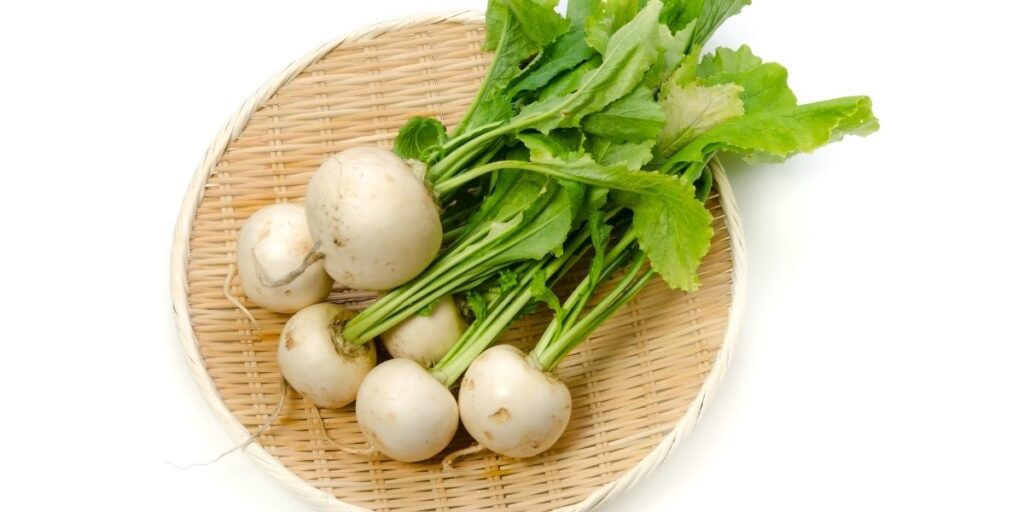
Turnips are the most accessible option — found at virtually any grocery store year-round. Smaller, younger turnips have the mildest flavor, closer to parsnip's gentle sweetness, while larger ones lean peppery and bitter. They roast well, hold up in soups, and mash into a smooth puree. Use a 1:1 ratio and add a small pinch of sugar to compensate for their lower natural sweetness.

Celery root shares the Apiaceae family connection with parsnips, giving it a mild anise-like quality no other common substitute matches. It performs exceptionally well in pureed soups and creamy sides where parsnip's herbal note is central. The texture is dense raw, turning silky smooth when cooked. One note: it discolors quickly once peeled, so drop cut pieces into cold water with a splash of lemon juice immediately.
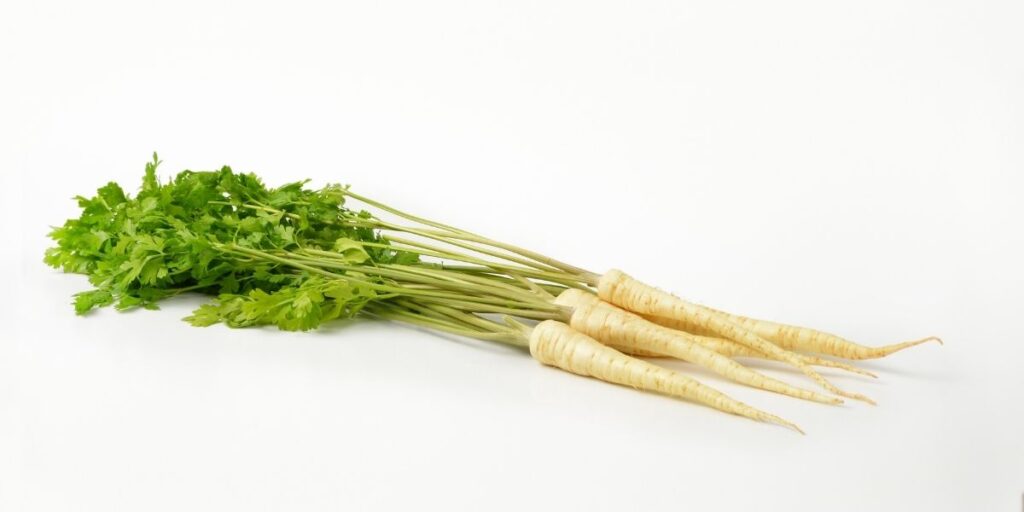
When availability isn't an issue, parsley root is arguably the closest flavor match among all the parsnip substitutes for cooking. Common in Eastern European and Middle Eastern cuisines, it's found at specialty grocers and farmers' markets. The flavor is earthy and herbal with mild sweetness that closely mirrors parsnip. Use it in any recipe — soups, roasts, stews — at a straight 1:1 ratio with no adjustments needed.

Salsify is a lesser-known root with a nutty, oyster-like flavor — not a precise match for parsnip, but its starchy texture and mild earthiness make it a capable swap in slow-cooked dishes. Black salsify (scorzonera) is particularly impressive roasted, caramelizing with a complex, almost smoky sweetness. Look for it at specialty grocers or larger farmers' markets, and treat the cut surfaces with acid water to prevent discoloration.
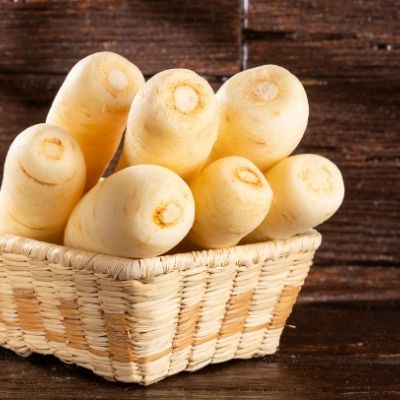
Arracacha (also called white carrot or Peruvian parsnip) belongs to the same botanical family as parsnips and is widely used in South American cooking. Its flavor is mild, slightly sweet, and nutty — genuinely close to parsnip without the anise note. It thickens soups and stews exceptionally well thanks to a high starch content, and it's interchangeable with parsnip in most South American recipes by design. Find it at Latin grocery stores.
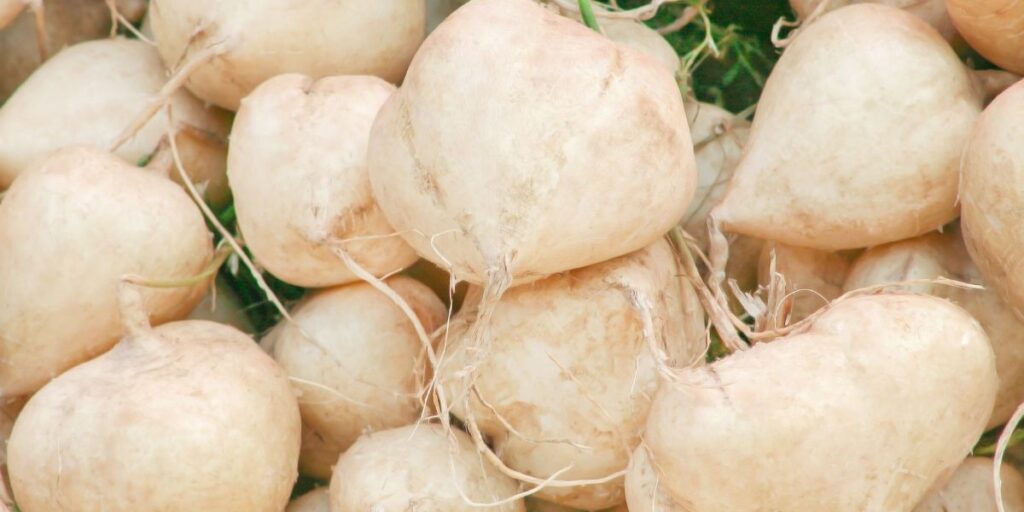
Jicama is the outlier on this list. Mildly sweet and intensely crunchy, it doesn't soften the way other roots do under prolonged heat. That makes it a poor choice for purees or slow roasts, but an excellent option for raw preparations, slaws, and quick stir-fries where texture contrast is the goal. It's widely available and budget-friendly at most grocery stores — an easy pick for cold applications.
Pro Insight: Jicama stays crisp even when briefly cooked — don't expect it to soften like parsnip in a slow roast or braise. Reserve it for raw dishes or quick high-heat applications.
Carrots are the default go-to for most home cooks — universally available, budget-friendly, and sharing parsnip's natural sweetness and starchy texture. The flavor is earthier and less complex, missing parsnip's herbal undertone, but the difference becomes negligible in spiced or heavily seasoned dishes. Carrots roast beautifully and hold their shape in soups and stews. For more ideas on navigating ingredient swaps, the best okra substitutes guide covers similar territory for another commonly substituted vegetable.
Sweet potatoes are the richest-flavored option here — sweeter and denser than parsnip, with a pronounced character that can dominate a dish if overused. They work best as a partial substitute (half sweet potato, half a neutral root like turnip) in recipes where parsnip is a supporting flavor. Roasted sweet potato wedges are crowd-pleasing on their own, and they puree beautifully for anyone comfortable with a sweeter result.
Rutabaga is a cross between cabbage and turnip — mild bittersweet flavor with more earthy depth than parsnip. One of the best choices for mashes and purees, it turns smooth and creamy when cooked, complex enough to stand on its own. Rutabaga is denser than parsnip and takes slightly longer to cook, so add it to the pot a few minutes earlier than the recipe specifies. Widely available, especially in fall and winter.
Most root vegetables store well under similar conditions — cool, dark, and slightly humid. Key guidelines by type:
Proper prep makes a real difference in the final dish. A few notes worth keeping in mind:
Good prep also means having the right equipment. A reliable induction-compatible pan makes a meaningful difference when sautéing or searing root vegetables — the best induction cookware guide covers the top options in detail.
Tip: For the best caramelization on any root vegetable substitute, make sure the pan isn't overcrowded — steam is the enemy of a proper roast.
This misconception leads to the most disappointing substitutions. Root vegetables span a genuinely wide flavor spectrum — from the peppery bite of raw turnips to the custardy sweetness of roasted sweet potatoes. Celery root carries a faint anise note; salsify leans nutty and oyster-like; jicama stays mild and crisp regardless of cooking. Treating them as interchangeable leads to mismatched flavors, particularly in delicate soups and purees where parsnip's herbal edge is central to the recipe.
A 1:1 ratio is a reliable starting point, but rarely the complete answer. Denser roots like rutabaga release less moisture than parsnip, which affects the consistency of soups and sauces. Sweeter substitutes like sweet potato can shift the flavor balance of savory dishes significantly. Tasting and adjusting throughout cooking — rather than treating the recipe as fixed once the swap is made — consistently produces better results. Small additions of acidity, sweetness, or extra seasoning bridge most gaps effectively.
Home cooks newer to root vegetable substitution are best served by options that are forgiving and widely available:
These three can be found at any grocery store and require no special preparation. They're the lowest-friction path from "out of parsnips" to a finished dish that works.
Cooks comfortable with specialty sourcing and careful prep have access to more nuanced alternatives:
These options reward the extra effort with more layered, complex results — especially in dishes where parsnip's flavor is a central element rather than background support.
For situations that call for speed over precision:
Celery root and parsley root are the closest matches for parsnips in soup. Celery root shares the Apiaceae family's mild herbal quality, while parsley root replicates the flavor almost exactly. Both work at a 1:1 ratio and require no major seasoning adjustments.
Yes — carrots are the most practical parsnip substitute for roasting. They caramelize well, hold their shape, and are universally available. The flavor is sweeter and less complex than parsnip, but the difference is minor in seasoned dishes with aromatics and herbs.
No. They are different vegetables, though both belong to the Apiaceae family. Parsley root is the root of the flat-leaf parsley plant and has a flavor very similar to parsnip — arguably the closest match available. The two can be used interchangeably in most recipes at a 1:1 ratio.
Carrots, sweet potatoes, or rutabaga are the best choices for those sensitive to anise or fennel-like notes. These three have none of the herbal quality found in parsnips, celery root, or parsley root, and they perform well across roasted dishes, soups, and sides.
Jicama can be used in cooked dishes, but it behaves differently — retaining its crunch rather than softening like most roots. This makes it a poor fit for purees or slow roasts, but a reasonable option in stir-fries or quick sautés where some texture contrast is welcome.
Somewhat. Sweet potatoes are higher in vitamin A and natural sugars. Celery root is lower in calories and carbohydrates. Turnips contain less sugar than parsnips. For most home cooking applications, however, these differences are minor and rarely change the overall nutritional value of the dish in a meaningful way.
Arracacha is typically available at Latin American grocery stores and specialty produce markets. Salsify is found at farmers' markets, specialty grocers, and some European import stores. Both can also be ordered through specialty food retailers online if local availability is limited.
Slightly, yes. Rutabaga and turnips are denser and may need 5–10 extra minutes in soups or roasting. Carrots cook at roughly the same rate as parsnips. Sweet potatoes can cook faster when cut small. Always check for fork tenderness rather than relying strictly on recipe timing after a substitution.
 |
 |
 |
 |

About Daisy Dao
Daisy Dao grew up in Honolulu, Hawaii, where coastal living and access to fresh local ingredients shaped her approach to home cooking from an early age. She has spent years experimenting with seafood preparation, healthy cooking methods, and ingredient substitutions — developing hands-on familiarity with a wide range of kitchen tools, techniques, and produce. At BuyKitchenStuff, she covers healthy recipes, cooking techniques, and ingredient substitution guides.
Check for FREE Gifts. Or get our Free Cookbooks right now.
Disable the Ad Block to reveal all the recipes. Once done that, click on any button below
|
|
|
|
